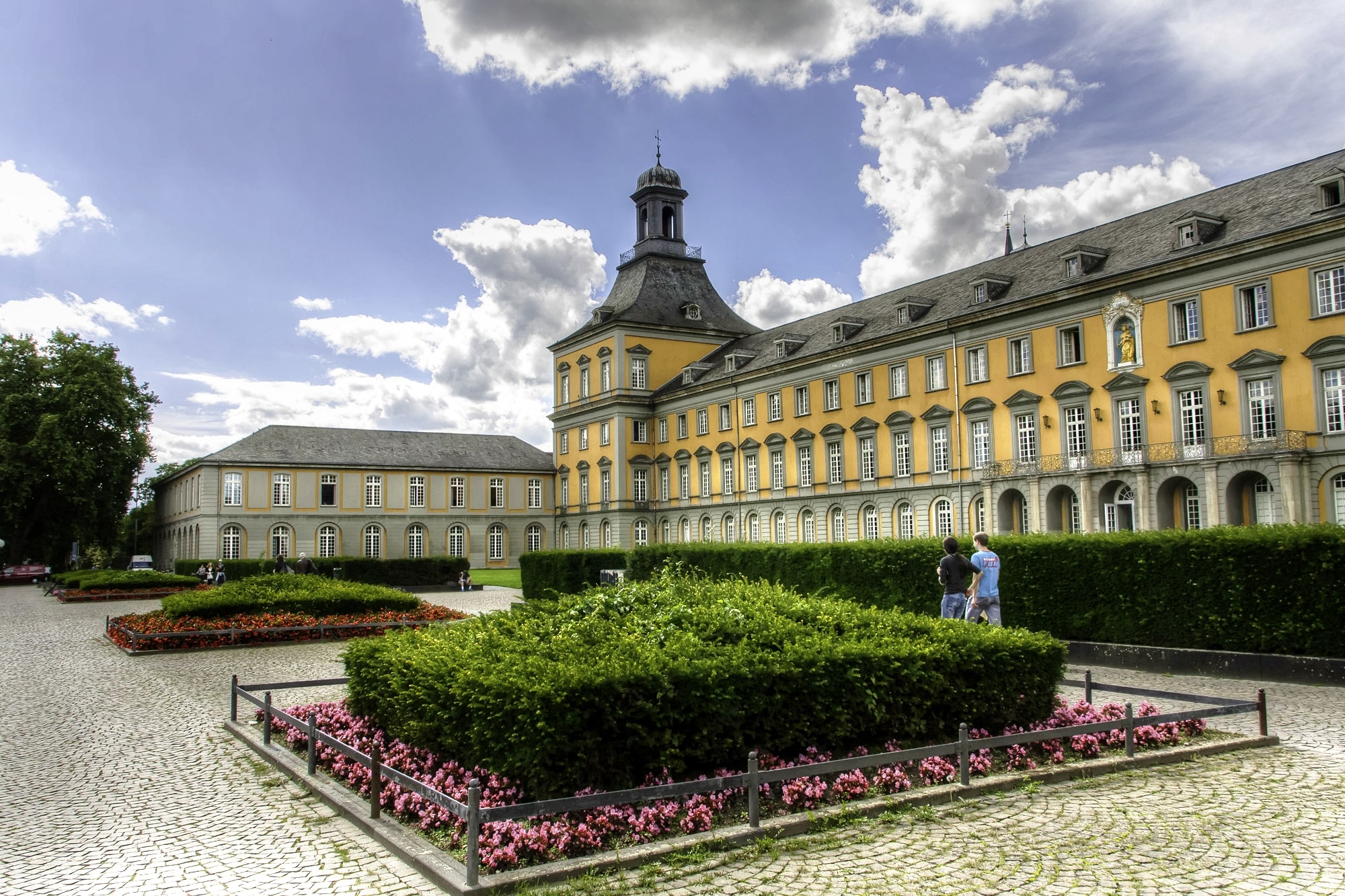

Nestled in the heart of Bonn, Poppelsdorf Palace (German: Poppelsdorfer Schloss) stands as a testament to the rich tapestry of German Baroque architecture. This magnificent edifice, with its roots deeply embedded in the 18th century, offers a glimpse into both the opulent past of the region and its enduring cultural significance.
### History and Origins The tale of Poppelsdorf Palace begins in 1715 when Joseph Clemens, the Archbishop-Elector of Cologne, envisioned a grand structure to rise from the ruins of the old Poppelsdorf Castle. He commissioned renowned French architect Robert de Cotte to bring this vision to life. De Cotte's design embraced the elegance and symmetry characteristic of Baroque architecture, which was gaining prominence across Europe. Over the years, the palace has witnessed numerous historical transformations, including its integration into the University of Bonn, a key development that has preserved its relevance and use in modern times.
### Art and Architecture Poppelsdorf Palace is a glowing example of Baroque architecture, characterized by its grand scale, bold ornamentation, and harmonious proportions. The central courtyard, surrounded by arcades, showcases the sophistication of de Cotte's design. Inside, visitors can admire the exquisite stucco work and intricate ceiling frescoes that reflect the artistic trends of the 18th century. Although the palace now houses university departments, its architectural grandeur remains a significant draw for art and history enthusiasts alike.
### Local Culture and Traditions Bonn, once the capital of West Germany, is a city steeped in cultural richness. The palace itself plays a role in this cultural tableau, especially during the summer when it becomes a venue for concerts and events. The Rhein in Flammen (Rhine in Flames) festival, celebrated annually in May, is a local highlight. This event features spectacular firework displays over the Rhine, drawing visitors from across the region to experience the festive atmosphere that spills over into the city's historical sites, including Poppelsdorf.
### Gastronomy A visit to Bonn is incomplete without indulging in its local culinary delights. The region is known for its Rheinischer Sauerbraten, a pot roast traditionally marinated in vinegar and spices, and Reibekuchen, crispy potato pancakes often served with applesauce. For a sweet finish, try the Bonn-based Bönnsch beer, a refreshing local brew that pairs well with many regional dishes.
### Lesser-known Curiosities While Poppelsdorf Palace's architectural beauty is apparent, few visitors know about its unique botanical connections. The adjacent Botanical Gardens, established around the same time as the palace, house an impressive collection of over 8,000 plant species. These gardens provide a serene escape and are a must-see for anyone interested in botany or simply seeking tranquility amidst nature.
### Practical Visitor Information The best time to visit Poppelsdorf Palace is during late spring and early autumn when the weather is pleasant, and the Botanical Gardens are in full bloom. Visitors should look for the palace’s intricate stone carvings and the charming symmetry of the courtyard. It’s advisable to check the University of Bonn’s schedule for any public events or concerts that might enhance your visit.
To craft a personalized adventure to Bonn, consider using the Secret World app for an AI-curated itinerary that captures the city's hidden gems.
