
← Back

Ragu Bolognese style

Bologna, Italia ★★★★☆ 193 views
Maya Tiger
Bologna
🏆 AI Trip Planner 2026

Get the free app

Discover the best of Bologna with Secret World — the AI trip planner with 1M+ destinations. Get personalized itineraries, hidden gems and local tips. Free on iOS & Android.

🧠 AI Itineraries 🎒 Trip Toolkit 🎮 KnowWhere Game 🎧 Audio Guides 📹 Videos
Download on the App Store Get it on Google Play
Scan to download Scan to download
Ragu Bolognese style - Bologna | Secret World Trip Planner

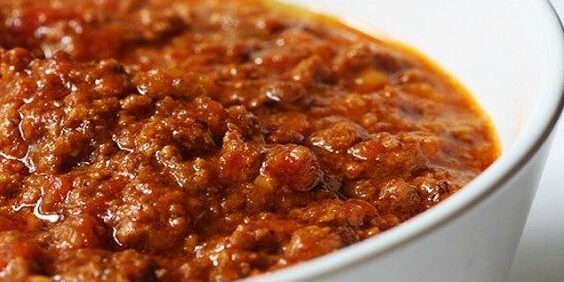
In the heart of Bologna, the culinary gem of Italy, lies one of the nation’s most beloved dishes: Ragù alla Bolognese. More than just a sauce, this rich and hearty condiment has roots steeped in history, culture, and tradition. Known for its deep flavors, Ragù is a staple that embodies the essence of Bolognese cuisine.

Ragu Bolognese style - Bologna | Secret World Trip Planner

### History and Origins

The origins of Ragù alla Bolognese can be traced back to the 18th century, with its earliest documented recipe appearing in Pellegrino Artusi’s cookbook, "La Scienza in Cucina e l'Arte di Mangiar Bene," published in 1891. Artusi, a key figure in Italian culinary literature, hailed from Forlimpopoli, a town not far from Bologna. His recipe emphasized the use of local ingredients, particularly ground meat, which showcased the agricultural bounty of the region.

Ragu Bolognese style - Bologna | Secret World Trip Planner

Initially, Ragù was a dish of humble beginnings, crafted from various cuts of meat and simmered for hours to develop its complex flavors. The sauce was meant to be served with tagliatelle, a fresh pasta that absorbs the rich, meaty sauce perfectly. Over the years, Ragù has evolved, with each family and chef adding their personal touch, leading to the myriad interpretations we see today.

### Art and Architecture

Bologna is not just a culinary delight; it is also a city rich in art and architecture. Its historic center is a UNESCO World Heritage site, featuring a unique blend of medieval and Renaissance architecture. The Two Towers, Torre Asinelli and Torre Garisenda, dominate the skyline, offering a glimpse into the city's storied past.

Artistic significance is reflected in the numerous churches and palaces that line the streets. The Basilica di San Petronio, one of the largest churches in the world, is a stunning example of Gothic architecture. The interior showcases remarkable artworks, including frescoes by Giovanni da Modena and sculptures that narrate the city's religious and cultural history. Walking through Bologna’s streets is akin to strolling through an open-air museum, where every corner reveals a piece of its rich artistic tapestry.

### Local Culture and Traditions

In Bologna, food is a cornerstone of local culture, deeply intertwined with social customs and traditions. The city hosts numerous festivals celebrating its culinary heritage, with the Bologna Food Festival being a highlight. Each September, locals and visitors alike come together to savor traditional dishes, participate in cooking classes, and attend tastings that highlight local wines and ingredients.

The convivial spirit of Bologna is evident in its bustling trattorias and osterias, where family-style dining encourages sharing and conversation. This communal aspect of dining reflects the city’s values of togetherness and hospitality, making it a vibrant place to explore Italian culture.

### Gastronomy

Beyond Ragù alla Bolognese, Bologna is known for its rich gastronomic scene. The city is often referred to as the "Food Capital of Italy," and for good reason. The local cuisine features an array of delights, including tortellini, small pasta filled with meat or cheese, and lasagna, layered with sheets of fresh pasta and delicious ragù.

For drinks, visitors can indulge in Lambrusco, a sparkling red wine that pairs perfectly with the region's hearty dishes. The wine's fruity notes complement the savory flavors of Bolognese cuisine, making it a popular choice among locals and tourists alike.

### Lesser-Known Curiosities

While many visitors flock to Bologna for its famous dishes, some hidden gems remain lesser-known. For instance, the Mercato di Mezzo, a historic market that dates back to the Middle Ages, offers a sensory overload of local produce, cheeses, and cured meats. It’s a fantastic place to sample local products and engage with passionate vendors.

Another curiosity is the Porticoes of Bologna, stretching over 38 kilometers (approximately 24 miles). These covered walkways provide shelter from sun and rain, allowing for leisurely strolls through the city while enjoying the architecture and vibrant street life. Notably, the longest portico leads to the Sanctuary of the Madonna di San Luca, a pilgrimage site offering breathtaking views of the city.

### Practical Visitor Information

The best time to visit Bologna is during the spring (April to June) and autumn (September to October). During these seasons, the weather is mild, and the city hosts various food festivals. When planning your visit, consider a food tour, which can provide deeper insights into local culinary traditions and introduce you to hidden culinary spots.

For those seeking an authentic experience, it’s advisable to dine at family-run trattorias rather than tourist-centric establishments. Engaging with locals will enhance your appreciation of the city's rich gastronomic heritage.

As you explore Bologna, take time to savor a bowl of authentic Ragù alla Bolognese and immerse yourself in the city’s vibrant culture. For a personalized itinerary to discover all that Bologna has to offer, consider using the Secret World app.

🗺 AI Trip Planner

Plan your visit to Bologna

Suggested itinerary near Ragu Bolognese style

MAJ+
500.000+ travelers worldwide
  1. 🌅
    Morning
    Ragu Bolognese style
    📍 Bologna
  2. ☀️
    Afternoon
    Mortadella Bologna PGI
    📍 0 km da Bologna
  3. 🌆
    Evening
    Cutlet bolognese style
    📍 0 km da Bologna

Buy Unique Travel Experiences

Powered by Viator

See more on Viator.com

Explore nearby · Bologna