
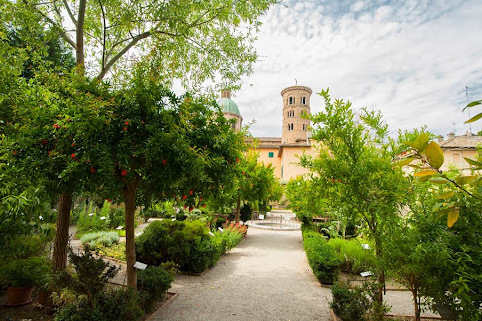

Nestled in the heart of Ravenna, the Rasponi Garden, also known as the Garden of Forgotten Herbs, is a serene oasis steeped in history and natural beauty. This enchanting garden, dating back to the 15th century, provides a tranquil escape from the bustling streets surrounding it. Surrounded by the majestic palaces of Ravenna's noble families, the garden is a hidden treasure, tucked away in the shadows of the grand Cathedral dome and just behind the stunning Neonian Baptistery.

The origins of Rasponi Garden are tied to the rich cultural tapestry of Ravenna. While its precise founding date is not documented, it is widely believed to have been cultivated as a medicinal herb garden, reflecting the era's reliance on natural remedies. Throughout the centuries, the garden has witnessed various historical epochs, from Ravenna's time as the capital of the Western Roman Empire to its flourishing under Byzantine influence. The garden's preservation of its 19th-century layout speaks volumes about its historical significance, allowing visitors to step back in time.
Architecturally, the Rasponi Garden boasts a 19th-century design that harmonizes beautifully with its historical context. The centerpiece of the garden is a charming wrought-iron fountain, which serves as a focal point amidst the carefully curated beds of herbs and plants. Visitors can explore a variety of Mediterranean herbs, some of which have been meticulously reconstructed from ancient apothecaries' recipe books. The careful attention to detail in the garden's layout allows for a unique blend of aesthetics and functionality, where beauty meets botanical science.

Local culture is deeply rooted in the traditions that have flourished in Ravenna over the centuries. Festivals such as the Ravenna Festival, held annually in the summer, celebrate the city’s rich artistic heritage with performances that often incorporate themes of nature and history. The garden itself is a testament to the local belief in the healing properties of plants, a tradition that continues to resonate in contemporary herbal practices and culinary arts in the region.
Gastronomy is another vital facet of Ravenna's culture, and the Rasponi Garden complements this with its selection of edible plants. Among the garden's inhabitants, you may find caper plants and butcher's broom, alongside locally grown vegetables such as chicory and artichokes. These plants not only enhance the garden's beauty but also connect visitors to the local cuisine. Enjoying a cup of herbal tea brewed from the garden’s offerings is a delightful way to experience the flavors of Ravenna and its agricultural heritage.
For those who seek deeper engagement, Rasponi Garden holds several lesser-known curiosities that are often overlooked by tourists. One such fact is the garden’s role as a haven for local wildlife, providing a habitat for various bird species and insects, which contributes to the ecosystem's health. Additionally, the garden is often a backdrop for intimate concerts and cultural events, blending nature with the arts in a way that reflects Ravenna's vibrant community spirit. The quiet paths meander through lush greenery, inviting visitors to pause and reflect amidst the beauty.
The best time to visit the Rasponi Garden is during the spring and early summer months, when the flora is in full bloom, and the scents of herbs fill the air. To make the most of your experience, take your time wandering through the garden, allowing yourself to be enveloped by its peaceful ambiance. Look out for the various species of herbs, and don't hesitate to ask local guides for insights into the garden's history and the significance of its plants.
In conclusion, the Rasponi Garden is more than just a botanical haven; it is a historical monument that encapsulates the spirit of Ravenna. With its rich past, artistic ambiance, and gastronomic connections, it offers a unique glimpse into the city’s soul. For a personalized experience in Ravenna, consider using the Secret World app to plan your itinerary.


