
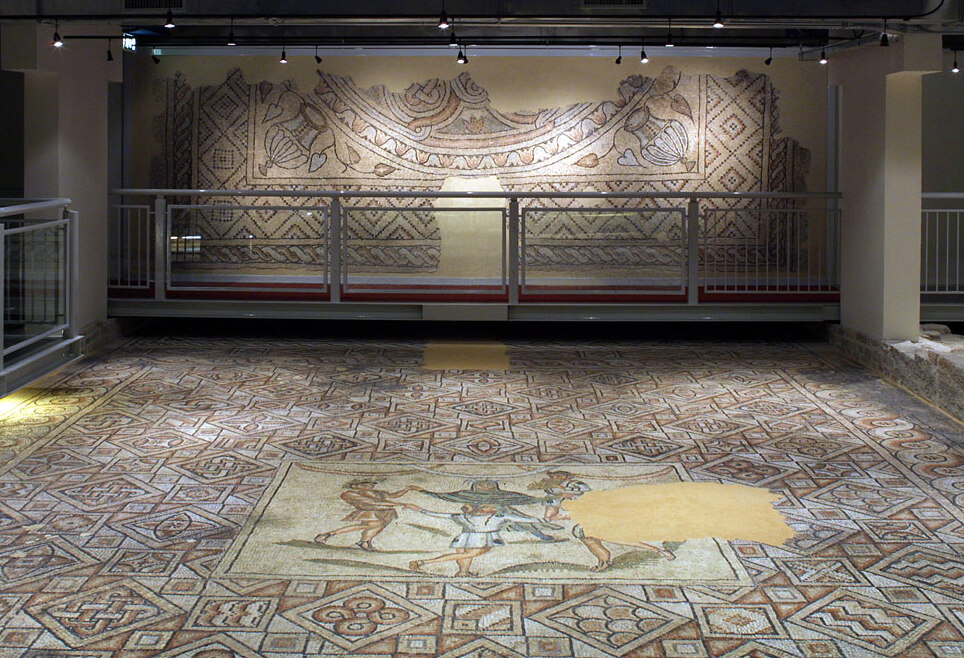

Nestled beneath the bustling streets of Ravenna, the Domus dei Tappeti di Pietra, or the Domus of the Stone Carpets, is a hidden gem that beckons history enthusiasts and art lovers alike. This archaeological site, unearthed in recent decades, reveals the opulent lifestyle of a Byzantine elite during the 5th and 6th centuries A.D., providing a captivating glimpse into the past.

The history of the Domus is rich and intricate, with its origins tracing back to a period when Ravenna served as the capital of the Western Roman Empire. Founded in 402 A.D., the city was a melting pot of cultures and artistic expression. The Domus itself was discovered in the late 20th century, with significant excavations taking place in the early 2000s. In October 2002, the site was inaugurated by President Carlo Azeglio Ciampi, marking a pivotal moment in Ravenna's archaeological narrative. The site has since garnered prestigious accolades, including the Bell'Italia 2004 Prize and the Francovich 2017 Prize, underscoring its importance in Italy's cultural heritage.
Architecturally, the Domus showcases a unique blend of Byzantine and Roman influences, evident in its layout and decorative elements. Visitors enter through the small 18th-century church of Santa Eufemia, a quaint introduction to the grandeur that lies beneath. Descending three meters into a modern underground exhibition space, guests are greeted by over 400 square meters of stunning polychrome mosaics and marble flooring. The intricate geometric, floral, and figurative mosaics tell stories of a bygone era, with pieces like the Dance of the Genies of the Seasons captivating onlookers. This rare depiction of genies dancing in a circle to the sound of a syringe reflects a cultural synthesis unique to Ravenna’s artistic tradition.

The artistic significance of the Domus cannot be overstated. The Tappeti di Pietra, as they are affectionately coined by art historian Federico Zeri, represent an exceptional form of mosaic artistry that flourished during the Byzantine period. One of the remarkable highlights is the figure of the Good Shepherd, which diverges from typical Christian iconography, showcasing the adaptability and evolution of religious representation in art.
Ravenna's local culture is steeped in traditions that celebrate its rich history. The city is renowned for its vibrant mosaic festivals and cultural events that draw locals and tourists alike. One such event is the Ravenna Festival, held annually, which combines music, theater, and dance against the backdrop of the city’s stunning historic sites. Visitors can immerse themselves in centuries-old traditions, enjoying performances that echo the artistic spirit of Ravenna.
When exploring Ravenna, don’t miss the chance to indulge in the region's gastronomy. This area of Italy is known for its rich culinary offerings, with dishes that reflect the diverse influences that have shaped Ravenna over the centuries. Cappelletti, a type of stuffed pasta, is a local favorite, often served in a savory broth. Pair this with Sangiovese wine, a robust red that complements the region’s hearty cuisine. Be sure to also sample Piadina, a traditional flatbread that makes for a delightful snack, especially when filled with local cheeses and cured meats.
For those looking to delve deeper, the Domus of the Stone Carpets has its share of lesser-known curiosities. One intriguing feature is the method of mosaic creation itself; artisans would carefully piece together thousands of colorful stones to create these intricate designs, often sourcing materials from far-flung regions of the empire. Additionally, the site is a testament to the resilience of Ravenna's infrastructure, having survived through centuries of political change and natural disasters.
The best time to visit the Domus is during the spring and early fall when the weather in Ravenna is mild, allowing for comfortable exploration of the city. Make sure to allocate ample time for your visit, as the mosaics and their historical context deserve thoughtful appreciation. A guided tour can enhance your experience, providing insights into the artistry and historical significance of the site.
In conclusion, the Domus dei Tappeti di Pietra offers an unforgettable journey into Ravenna's Byzantine past. Whether you are an art lover, history buff, or simply curious about Italy’s rich cultural tapestry, this hidden treasure is not to be missed. Be sure to use the Secret World app to plan a personalized AI itinerary to explore the wonders of Ravenna.


