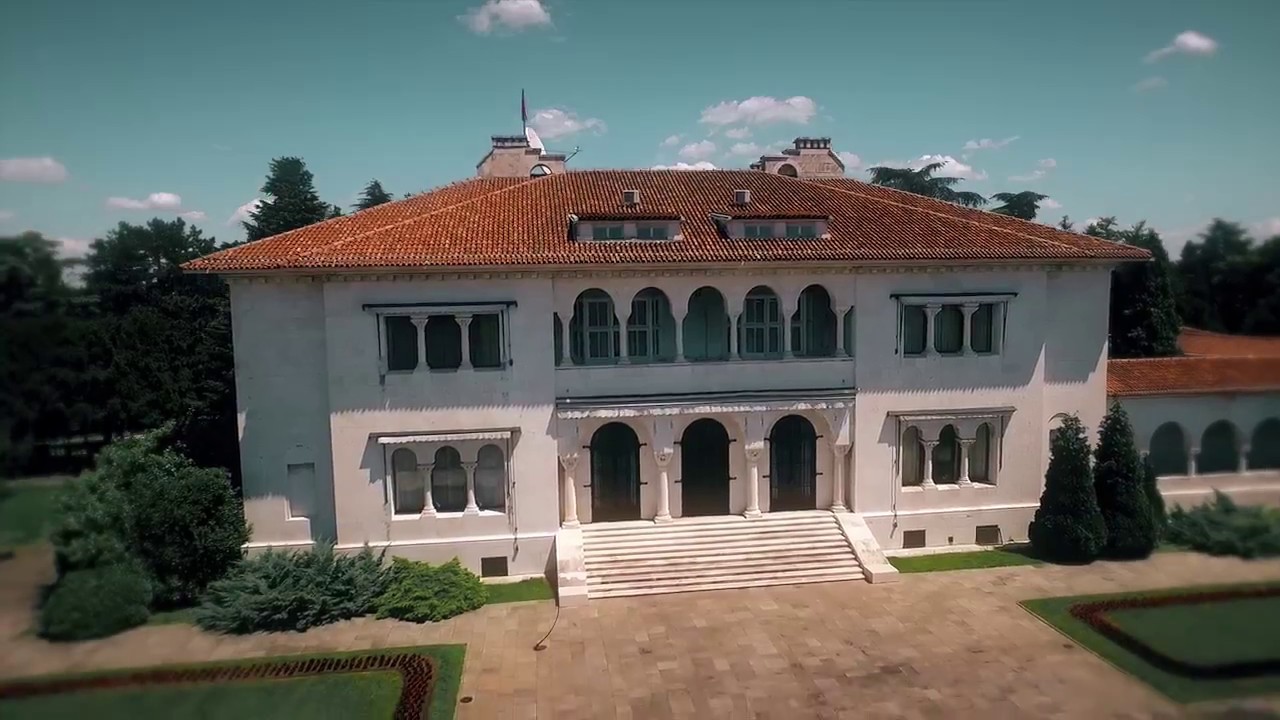

Nestled on the verdant slopes of Dedinje Hill, the Royal Compound of Belgrade serves as a magnificent testament to Serbian history and culture. This enchanting ensemble, comprising The Royal Palace and The White Palace, is not just the residence of the Serbian Royal Family but also a vibrant symbol of the nation’s storied past and aspirations.
### History and Origins
The roots of the Royal Compound trace back to the late 19th century. The Royal Palace, built between 1924 and 1929, was commissioned by King Aleksandar I. Its architecture was designed by the renowned Serbian architect Petar Bajalović, who infused elements of Serbian medieval traditions and Byzantine influences into its design. The palace was intended to serve both as a residence and a venue for state affairs, reflecting the burgeoning identity of a nation seeking to assert itself in the wake of centuries of foreign rule.
Significant events unfolded within these walls, particularly during the tumultuous periods of the World War II and the subsequent establishment of the Socialist Federal Republic of Yugoslavia. The Royal family, particularly Prince Paul, played a crucial role in navigating the complex political landscape of the time, and the palace became a backdrop for pivotal meetings and negotiations.
The White Palace, completed in 1936, was designed for the royal family’s private use and showcases a more relaxed, familial atmosphere compared to its more formal counterpart. Its grand interiors, adorned with luxurious textiles and art pieces, offer insight into the lifestyle of the royal family during the interwar period.
### Art and Architecture
Architecturally, the Royal Compound is a blend of styles, with Classical, Baroque, and Art Deco elements intertwining to create a unique aesthetic. The Royal Palace is particularly noted for its opulent interiors, featuring stunning frescoes, intricate woodwork, and lavish chandeliers that transport visitors to a bygone era of elegance and grandeur.
Inside the White Palace, visitors can admire the stunning collection of artworks, including pieces by prominent Serbian artists such as Paja Jovanović and Sava Šumanović. The palace’s art serves not just as decoration but as a narrative of Serbian culture and history, with each piece echoing tales of the people and the land.
### Local Culture and Traditions
The Royal Compound is a focal point of Serbian culture and traditions. The heritage of the monarchy is celebrated through various local customs, particularly during significant national holidays. Events such as St. Sava’s Day and National Day see the royal family participating in public celebrations, thus reinforcing the bond between the monarchy and the Serbian people.
Serbia's vibrant cultural tapestry is further enriched by traditional music and dance, with folk festivals held regularly in the vicinity. These gatherings offer a glimpse into the country’s rich folklore, where the sounds of tamburica and the sight of traditional costumes create an atmosphere of joy and unity.
### Gastronomy
No visit to the Royal Compound would be complete without indulging in the local gastronomy. Serbian cuisine is hearty and diverse, with influences from Mediterranean and Eastern European flavors. Typical dishes include ćevapi (grilled minced meat), sarma (cabbage rolls), and ajvar (pepper spread). Visitors should also sample rakija, a potent fruit brandy that is often enjoyed during celebrations.
Local confectioneries, such as torta and pita, provide a sweet finish to any meal, often enjoyed during family gatherings and festive occasions, further connecting visitors to the rich culinary traditions of the region.
### Lesser-known Curiosities
While many tourists flock to the more visible attractions of Belgrade, the Royal Compound harbors lesser-known curiosities that can deepen one’s appreciation of this historical site. For instance, the palace gardens feature a rose garden with over 600 varieties of roses, a hidden paradise for horticulture enthusiasts.
Additionally, the Royal Compound has been the backdrop for numerous historical events, including the famous Yugoslav Cultural Gathering in 1981, which aimed to celebrate the arts and foster unity in a diverse nation. Many visitors may also be surprised to learn that the royal family actively engages in philanthropic efforts, supporting various cultural and educational programs throughout Serbia.
### Practical Visitor Information
The best time to visit the Royal Compound is between April 1 and October 30, when guided tours are available on weekends by appointment. To arrange a visit, tourists must contact the Belgrade Tourist Organisation at Makedonska 5. It’s advisable to book well in advance, as availability can be limited, especially during peak tourist seasons.
During your visit, be sure to explore the surrounding lush gardens, where you can take a leisurely stroll and appreciate the serene ambiance that contrasts with the vibrant energy of Belgrade.
In conclusion, the Royal Compound stands not only as a symbol of Serbia’s regal past but also as a living embodiment of its culture and traditions. To truly experience the richness of Beograd, consider using the Secret World app to plan a personalized AI itinerary for your visit.
