
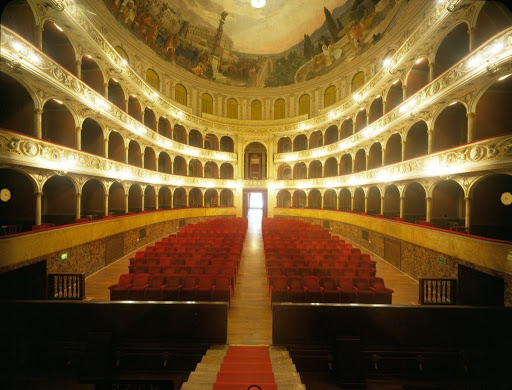

Nestled in the heart of Italy, the city of Rieti is steeped in history, a vibrant tapestry woven from the threads of ancient cultures and modern traditions. At the center of this cultural landscape stands the Flavio Vespasiano Theatre, a shining gem that draws visitors not only for its architectural beauty but also for its rich heritage and role in the community.
The origins of the Flavio Vespasiano Theatre date back to the late 19th century. In 1882, a government decree mandated the closure of old wooden theatres due to safety concerns, leading to the birth of this magnificent structure. After a decade of construction, the theatre was officially inaugurated in 1893. Named after the illustrious Emperor Vespasian, who hailed from the Sabine territory, the theatre has since become a symbol of Rieti's artistic spirit and resilience.
Architecturally, the theatre showcases a blend of Neoclassical and Baroque styles, characterized by its grand façade and intricate interior designs. The exterior, adorned with classical columns and statues, welcomes visitors into a world of elegance. Inside, the auditorium boasts a stunning chandelier, plush velvet seats, and a beautifully painted ceiling that captures the imagination. The theatre’s design not only serves an aesthetic purpose but also enhances acoustics, making it a favored venue for performances ranging from opera to contemporary theatre.
The Flavio Vespasiano Theatre is more than just a building; it is a cultural cornerstone for the residents of Rieti. The theatre hosts an array of events throughout the year, including the Rieti Festival of Cinema, which celebrates both national and international filmmakers. The annual Rieti Carnival, celebrated with vibrant parades and masked balls, often features performances that take place within the theatre’s historic walls. These events illuminate the local customs and traditions, creating a sense of community and belonging among residents and visitors alike.
Food is an integral part of Rieti's culture, and the region is known for its rich culinary heritage. Traditional dishes such as Pasta alla Gricia, a simple yet flavorful pasta made with guanciale (cured pork cheek) and pecorino cheese, highlight the local ingredients. The area is also famous for Porchetta di Rieti, a succulent roast pork seasoned with herbs and spices, often enjoyed during festivals and family gatherings. Pairing these dishes with a glass of Cesanese, a bold red wine produced in the surrounding vineyards, offers a true taste of Rieti’s gastronomic delights.
As you explore the theatre, keep an eye out for lesser-known details that add to its charm. For instance, the theatre's original wooden stage was replaced during renovations in the early 20th century, yet remnants of the past can still be felt in the atmosphere. Another interesting fact is that the theatre was damaged during World War II but underwent restoration efforts that returned it to its former glory. These stories, though often overshadowed by the theatre’s grandeur, provide a deeper understanding of its significance to the community.
For those planning a visit, the best time to experience the Flavio Vespasiano Theatre is during the autumn months, when cultural events are in full swing, and the weather is pleasantly mild. Check the theatre's schedule for performances or guided tours, as these can enhance your appreciation of the space. Don't forget to take a moment to admire the surrounding area, where charming streets lined with local shops and cafes invite you to linger.
To fully immerse yourself in the culture of Rieti, consider visiting the nearby Piazza Vittorio Emanuele II, where locals gather for aperitifs and socializing, or exploring other historical landmarks such as the Cathedral of Santa Maria Assunta.
In planning your itinerary, remember to look for unique experiences that resonate with your interests. The Secret World app can help tailor a personalized journey to uncover the hidden gems of Rieti.


