
← Back

Ruins of the Norman Castle

Via Nicola Franchi, 30, 75015 Pisticci MT, Italia ★★★★☆ 151 views
Carla Mozzi
Pisticci
🏆 AI Trip Planner 2026

Get the free app

Discover the best of Pisticci with Secret World — the AI trip planner with 1M+ destinations. Get personalized itineraries, hidden gems and local tips. Free on iOS & Android.

🧠 AI Itineraries 🎒 Trip Toolkit 🎮 KnowWhere Game 🎧 Audio Guides 📹 Videos
Download on the App Store Get it on Google Play
Scan to download Scan to download

About Ruins of the Norman Castle

Ruins of the Norman Castle - Pisticci | Secret World Trip Planner

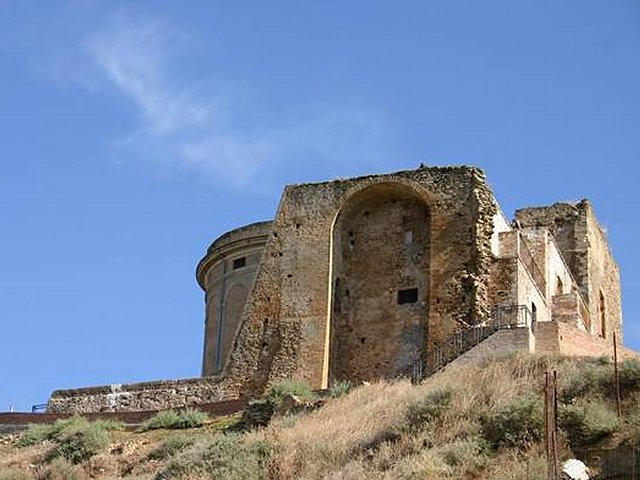
The castle of Pisticci, dating from the Norman period, stands on the highest part of the town, at a height of about 394 meters. Its structure consisted of several floors and had several architectural features.The tower, about 14 meters high, was one of the main elements of the castle. On the left side, a staircase led to the tower, which was divided into two rooms. A staircase leaning against the main facade provided access to the inner rooms and the tower terrace. In the atrium, other doors led to the rooms on the second floor.The uncovered area between the atrium and the cellar was used as an orchard, garden, and vineyard, but at present these areas have been fragmented and belong to different families and the Orphanage. Opposite the main entrance stood another rectangular building. Under the tower, a cistern originally used to collect rainwater was later converted into a grinding room for an oil mill.After the revolution of 1806 and the death of Don Ferdinando De Cardenas, the property was sold at auction and only a few fragments of land remained with the count's heirs.The castle was then bought or occupied by the Rogges family, but was later abandoned and reduced to ruins. In the 1920s-21, the lands were acquired by surveyor Vito Rocco Panetta, who converted part of the castle into an apartment. However, in the 1930s, the apartment along with the central part of the castle were demolished to make way for the Lucano Aqueduct reservoir.Today, all that remains of the castle is the tower, the former stable spaces and some rooms, which testify to its former grandeur and history.
Ruins of the Norman Castle - Pisticci | Secret World Trip Planner
🗺 AI Trip Planner

Plan your visit to Pisticci

Suggested itinerary near Ruins of the Norman Castle

MAJ+
500.000+ travelers worldwide
  1. 🌅
    Morning
    Ruins of the Norman Castle
    📍 Pisticci
  2. ☀️
    Afternoon
    The gullies: A scenery of rare beauty
    📍 10.9 km · Pisticci
  3. 🌆
    Evening
    Castle of Bernalda
    📍 12 km · Pisticci

Buy Unique Travel Experiences

Powered by Viator

See more on Viator.com

Explore nearby · Pisticci

Frequently Asked Questions

Spring and fall offer pleasant weather for exploring the ruins located at 394 meters elevation. Summer can be hot given the exposed hilltop location, so visiting in early morning or late afternoon is recommended to fully appreciate the remaining tower and structures.
The tower stands approximately 14 meters high and is one of the main architectural elements that remains from the original Norman castle. It was originally divided into two rooms and accessed via a staircase on the left side, with further access to the tower terrace provided by another staircase on the main facade.
Following the death of Don Ferdinando De Cardenas and the revolution of 1806, the property was sold at auction and fragmented among different families and the Orphanage. The Rogges family later occupied it, but the castle was eventually abandoned and fell into ruins, with significant portions demolished in the 1930s to make way for the Lucano Aqueduct reservoir.
Today, the tower remains the most prominent feature, along with former stable spaces and some rooms that offer glimpses of the castle's former grandeur. These remnants testify to the castle's original multi-floor structure and its historical importance as a Norman stronghold overlooking the town.
The cistern beneath the tower was originally designed to collect rainwater for the castle's inhabitants. Over time, it was repurposed into a grinding room for an oil mill, demonstrating how the structure was adapted to serve different functions throughout its history.
