
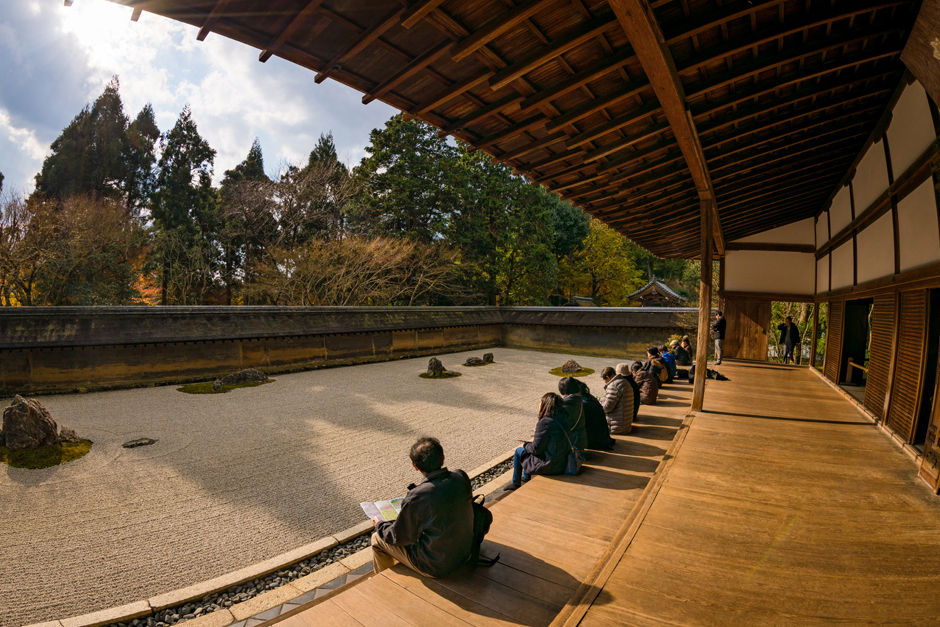

Nestled in the serene outskirts of Kyoto, Ryoanji Temple stands as a testament to Japan's rich history and profound appreciation for Zen philosophy. Often heralded as the site of the most famous rock garden in the country, Ryoanji entices hundreds of visitors each day, each seeking a moment of tranquility and introspection.
The origins of Ryoanji trace back to the Heian Period (794-1185), originally serving as a villa for the aristocrat Fujiwara no Kiyotada. In 1450, under the patronage of Shōgen Kōrin, it was transformed into a Zen temple belonging to the Myoshinji school of the Rinzai sect of Zen Buddhism. This transition marked a significant shift in the site’s purpose, as it became a haven for spiritual practice and reflection, embodying the essence of Zen ideals.
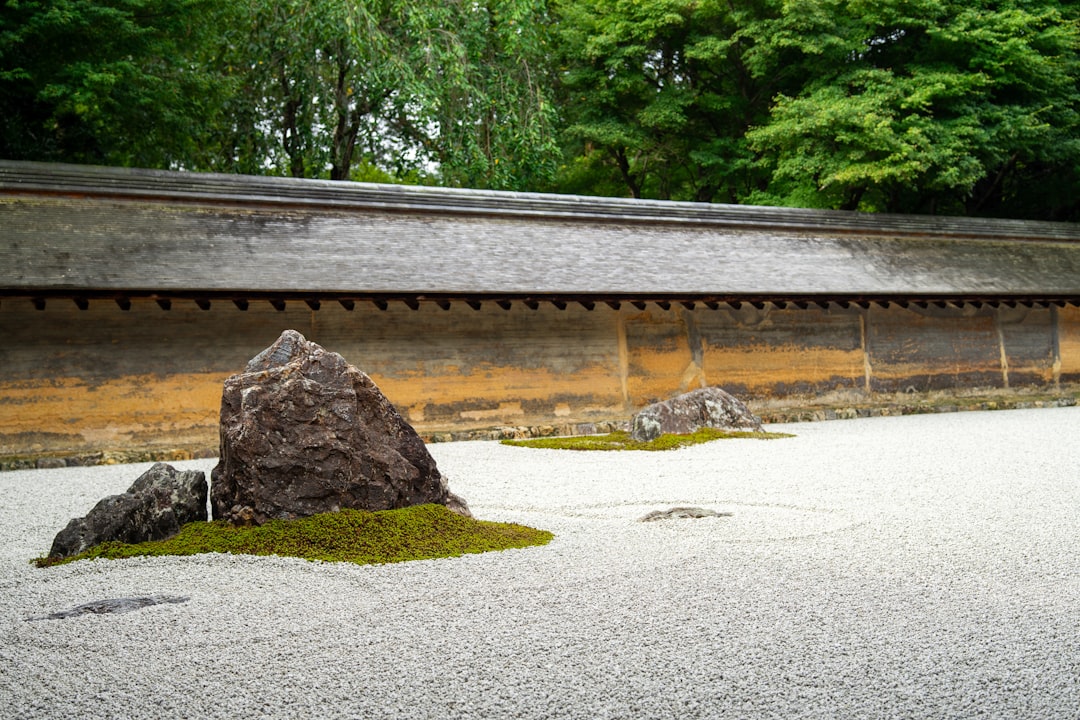
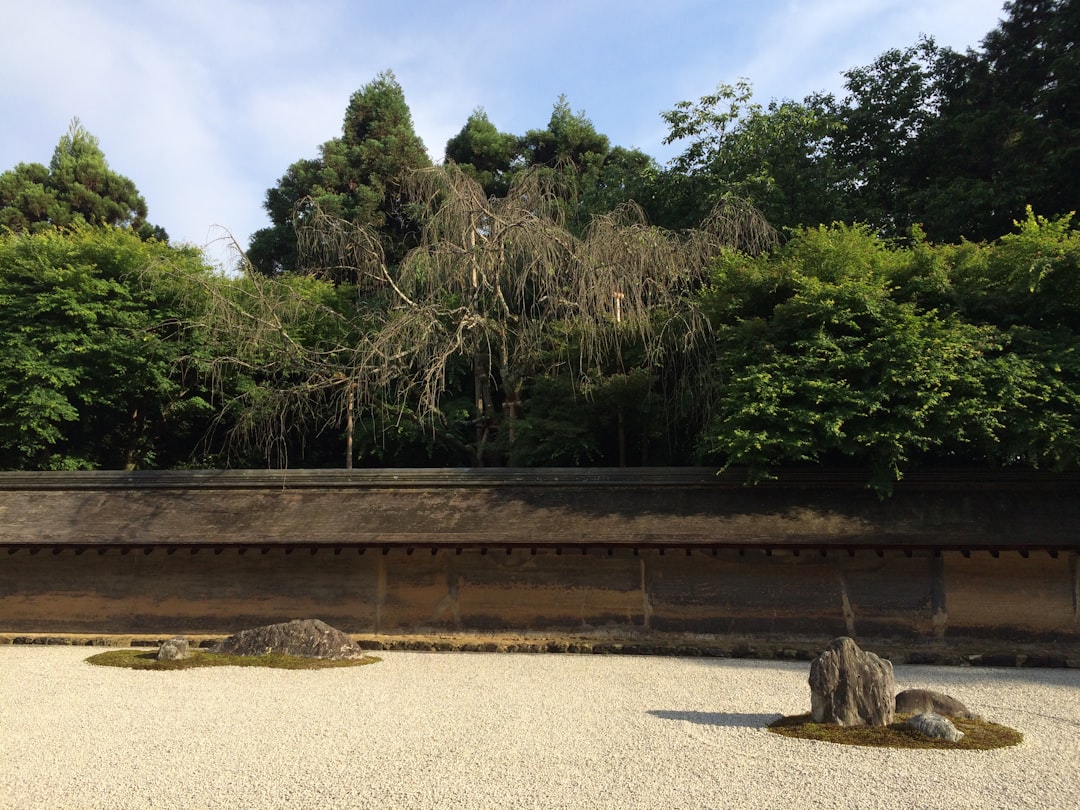
The rock garden, with its minimalist aesthetic, is steeped in mystery. While the exact date of its creation remains unknown, it is widely believed to have been designed in the late 15th century. The garden consists of a rectangular expanse of meticulously raked pebbles, bordered by low earthen walls, and is punctuated by 15 rocks arranged in small groups on patches of moss. A striking aspect of the garden’s design is that from any vantage point, at least one of the rocks is concealed, prompting contemplation of perception and reality—central themes in Zen philosophy.
Architecturally, Ryoanji exemplifies the simplicity and elegance characteristic of Zen design. The temple buildings are constructed from natural materials, with wooden structures harmonizing seamlessly with the surrounding landscape. The main hall, or hondo, features sliding doors adorned with beautiful paintings that reflect the changing seasons, further connecting visitors to nature. The rock garden itself is not merely a visual artwork but a space designed for meditation, encouraging a dialogue between the observer and the environment.
Culturally, Ryoanji is steeped in local traditions that resonate with the broader practices of Zen Buddhism. The temple is a popular destination for those observing the practice of zazen, or seated meditation, allowing visitors to engage deeply with the Zen teachings that permeate the site. Additionally, the temple’s gardens change with the seasons, drawing visitors throughout the year to witness the beauty of cherry blossoms in spring or the vibrant foliage of autumn, each season offering a unique experience.
When it comes to gastronomy, the area surrounding Ryoanji boasts a rich culinary heritage. One must try the traditional kaiseki meal, a multi-course dining experience that reflects the seasons and the artistry of Japanese cuisine. Nearby, yudofu, or boiled tofu, is a specialty that highlights the simplicity and purity of ingredients, perfectly aligning with the Zen philosophy of moderation and appreciation for nature’s bounty. Many local eateries offer this dish, allowing visitors to savor the flavors of Kyoto while soaking in the serene atmosphere.
Among the many curiosities of Ryoanji, one fascinating detail often overlooked is the legend surrounding the rock garden. It is said that the arrangement of the rocks is symbolic; some interpretations suggest that they represent a tiger carrying her cubs across a river, while others see them as islands in a sea of tranquility. This ambiguity adds to the garden’s allure, encouraging visitors to derive their own meanings and reflections.
For those planning a visit, the best time to experience Ryoanji is during the spring and autumn months when the gardens are in full bloom. Early mornings or late afternoons provide an ideal opportunity to enjoy the garden with fewer crowds, allowing for a more intimate encounter with this iconic space. Visitors should take time to observe the intricate details of the garden, from the carefully raked pebbles to the moss that cushions the rocks, all while engaging in personal reflections that the space invites.
To enhance your experience further, consider exploring the less-traveled paths around the temple, where smaller shrines and tranquil spots await discovery. The juxtaposition of the rock garden’s stark simplicity against the lush surroundings offers a unique perspective on the relationship between nature and humanity—a core tenet of Zen philosophy.
Ryoanji Temple is more than just a destination; it is a journey into the heart of Japanese culture and spirituality. As you stand before the rock garden, take a moment to breathe in the serenity and contemplate its deeper meanings—a practice that can transform your visit into a profound personal experience.
To enrich your exploration of Kyoto, consider using the Secret World app to plan a personalized AI itinerary tailored to your interests.


