


Tokyo has 23 official districts, over 13 million inhabitants, and a density of attractions that challenges any planner. Just between Shinjuku and Shibuya — only 3 km apart — you can find Meiji Jingu, Yoyogi Park, the most photographed intersection in the world, and dozens of izakayas that do not appear in any paper guide. Add to this the complexity of the JR Pass subway network, the temples of Asakusa to the east, the tech district of Akihabara, and the Toyosu fish market, and you immediately understand that organizing a week in Tokyo without a serious tool means losing precious hours in front of scattered Google sheets.

In 2026, the travel app market is crowded: Wanderlog, TripIt, Google Trips, Roadtrippers, and the latest Secret World AI Trip Planner are vying for travelers' attention. But not all solutions are the same, especially when it comes to a complex city like Tokyo. Here’s an honest comparison to help you choose.
Traditional competitors: useful but with obvious limits
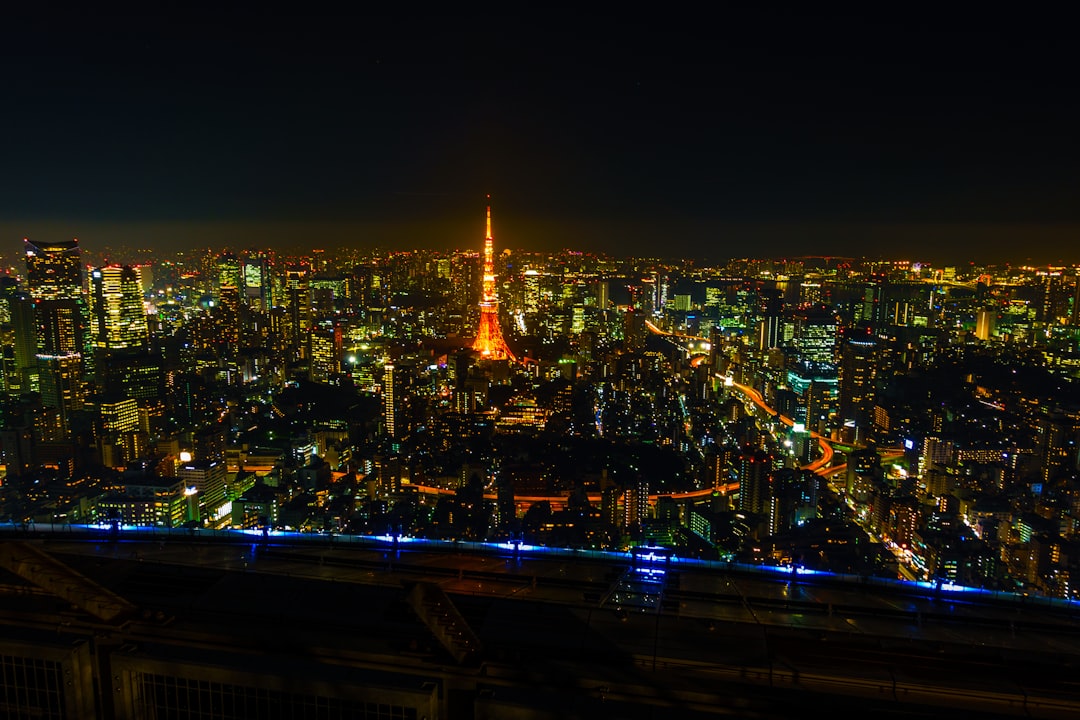
Google Trips has been the reference point for years, but the service has been officially discontinued and its functions absorbed by Google Maps and Google Travel, resulting in a fragmented experience. You can save places and see schedules, but building an optimized itinerary that takes into account travel times between Senso-ji in Asakusa (free entry, recommended visit 1.5 hours) and TeamLab Planets in Toyosu (ticket about 3,200 yen, reservation required) still requires a lot of manual work. TripIt excels at organizing flight and hotel confirmations via email, but it does not generate smart itineraries nor suggest what to do between check-ins.
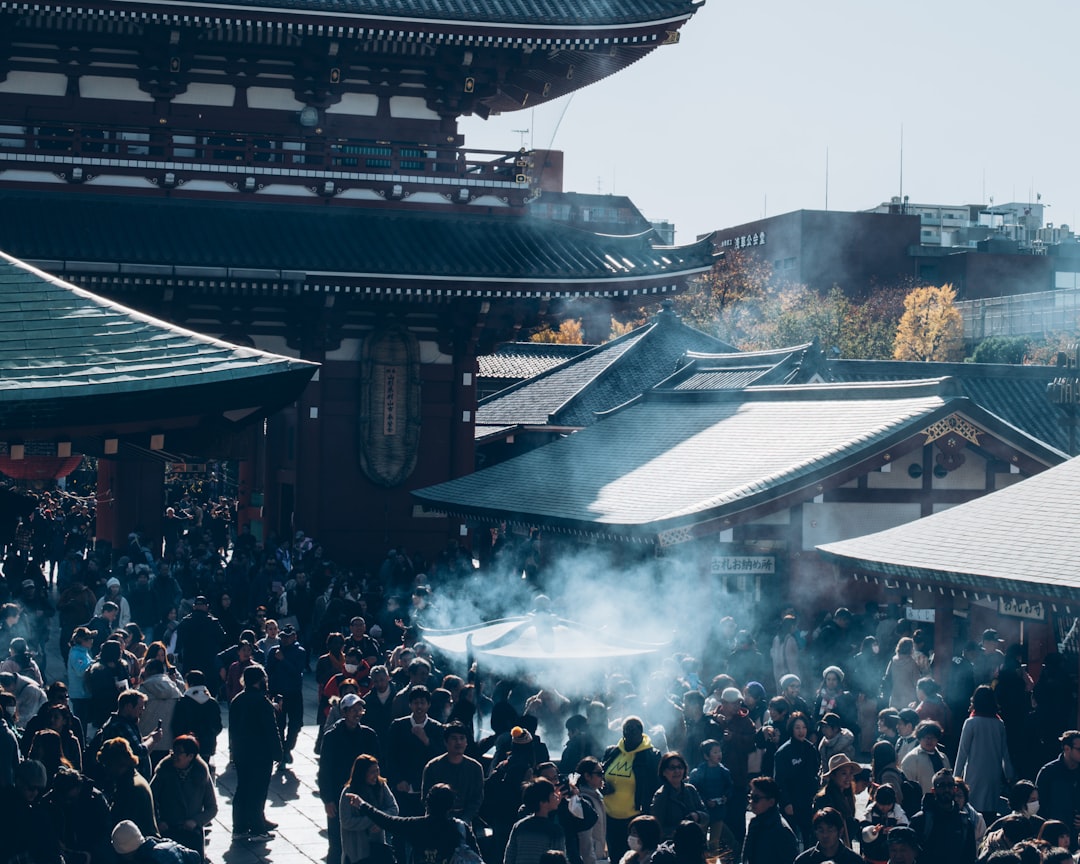
Wanderlog is appreciated for group collaboration and customizable maps, but it lacks contextual intelligence: it does not know that the Tsukiji outer market opens at 5:00 AM and it's advisable to visit it before Hamarikyu Gardens (entry 300 yen), which is only a 10-minute walk away. Roadtrippers, designed for American road trips, is simply out of context in a metropolis like Tokyo where the car is the last transportation choice. None of these tools integrate audio content, educational games, or truly global coverage of lesser-known destinations.
Secret World: when AI truly knows Tokyo
Secret World AI Trip Planner stands out for a radically different approach: artificial intelligence does not simply list attractions, but builds personalized itineraries taking into account real opening hours, walkable distances, budget, and specific interests. Want three days in Tokyo focusing on street food and contemporary architecture? The AI can create a route that starts with breakfast in Yanaka — the old-style neighborhood that survived the bombings — and ends at the Mori Tower in Roppongi Hills (entrance to the observatory about 1,800 yen) optimizing every movement on the metro network.
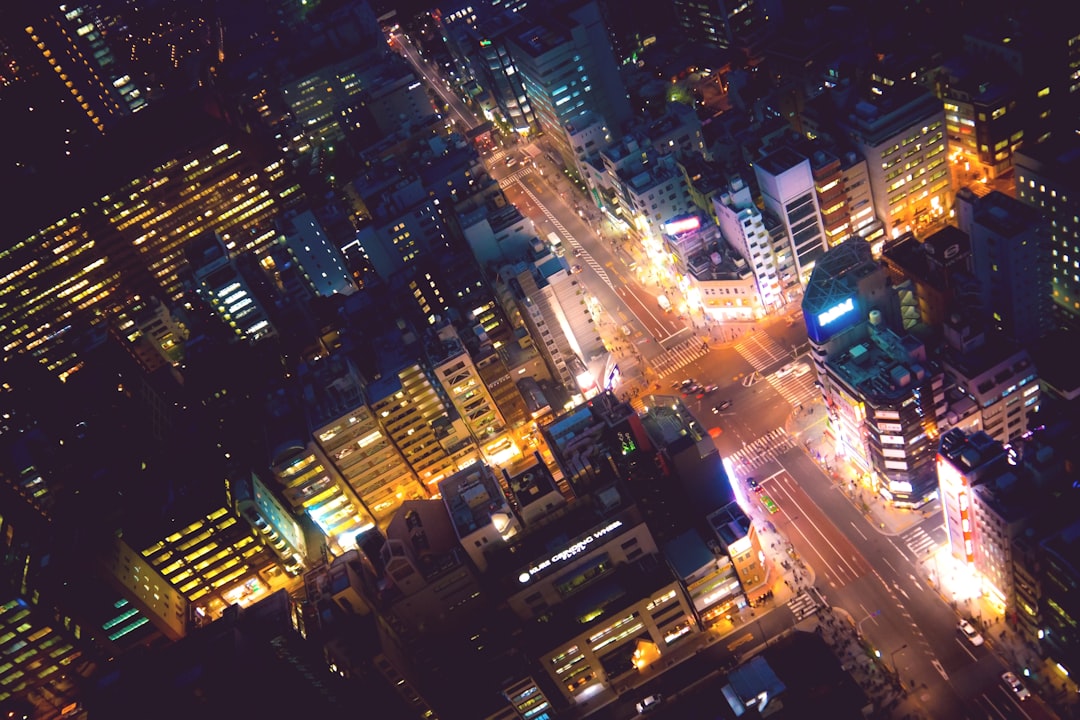
With over 1 million indexed destinations, Secret World covers not only iconic places like the Imperial Palace or Ueno Park with its 8,800 cherry trees, but also the hidden alleys of Shimokitazawa, the literary cafés of Koenji, and the independent art galleries of Nishi-Ogikubo. This level of granularity is impossible to replicate manually and clearly distinguishes the platform from any competitor based on static databases.
KnowWhere audio guide: learn Tokyo while you live it
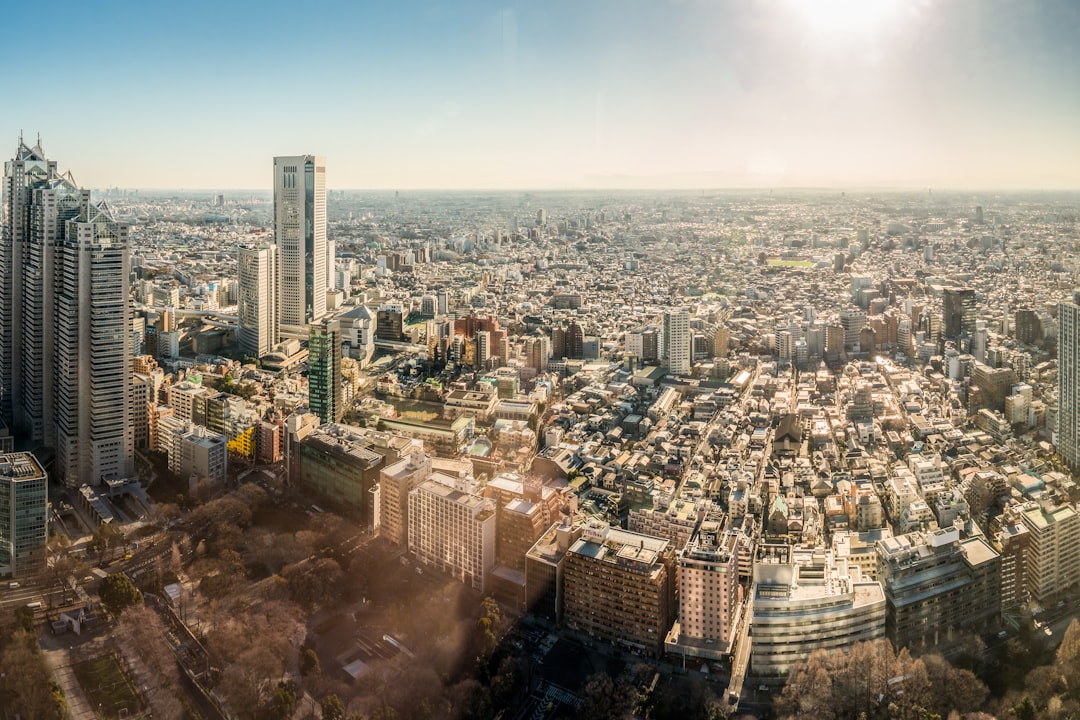
One of the most original features of Secret World is KnowWhere, an integrated game that transforms the discovery of the city into an interactive experience. As you move between the torii of Fushimi Inari or explore the streets of Harajuku, the game challenges you with questions about local culture, history, and geographical curiosities that make each visit more memorable. It is not entertainment for its own sake: it is a concrete way to deepen the cultural context of what you are seeing.
The integrated audio guides complete the experience: no headphones with guided tours booked days in advance, no reliance on a connection to download last-minute content. You can listen to the history of Senso-ji as you walk towards Kaminarimon, or understand why the Odaiba district is built on an artificial island from 1853. In Tokyo, where every corner has centuries of history layered beneath an ultramodern surface, having an intelligent narrator in your pocket completely changes the quality of the journey.
Why choose Secret World for your next trip to Tokyo
The final comparison is clear: Google Travel and its competitors offer useful but separate tools, requiring the user to act as a glue between maps, lists, and bookings. Secret World integrates everything — AI planning, educational content, audio guides, global database — into a single cohesive experience. For a city like Tokyo, where the difference between a mediocre experience and an unforgettable trip lies in logistical details and cultural depth, this advantage is crucial.
If you are planning a trip to Tokyo in 2026, don't waste hours on spreadsheets or open browser tabs. Download Secret World AI Trip Planner and let the artificial intelligence build the itinerary that Tokyo truly deserves — personalized, optimized, and enriched with content that transforms each stop into a real experience.


