
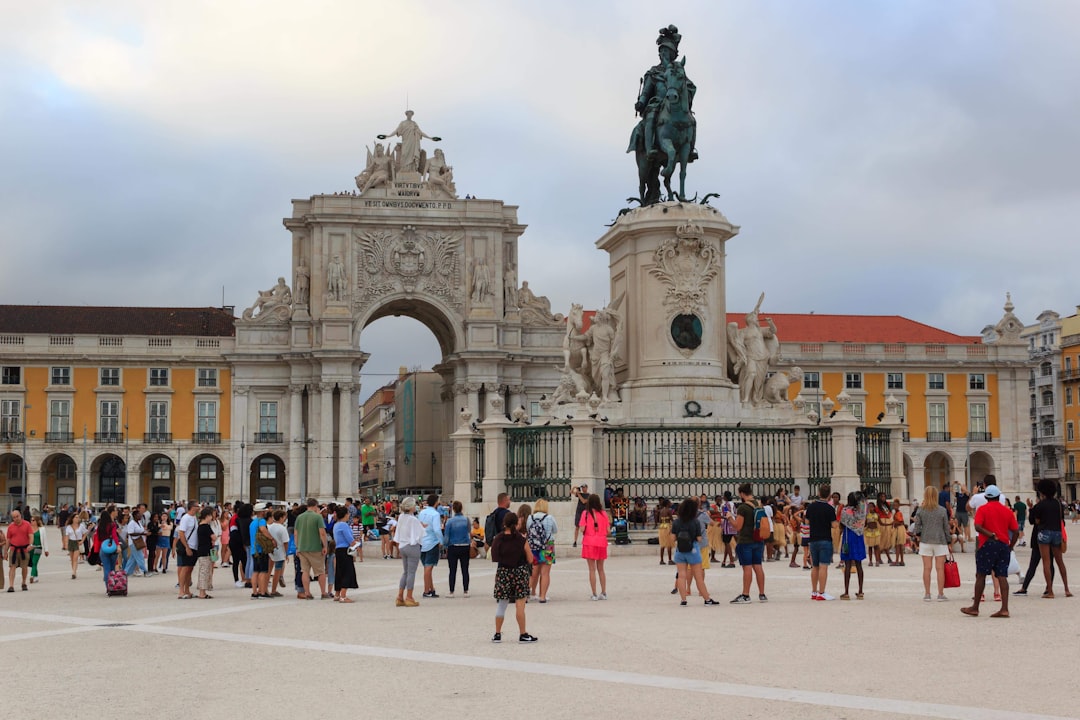

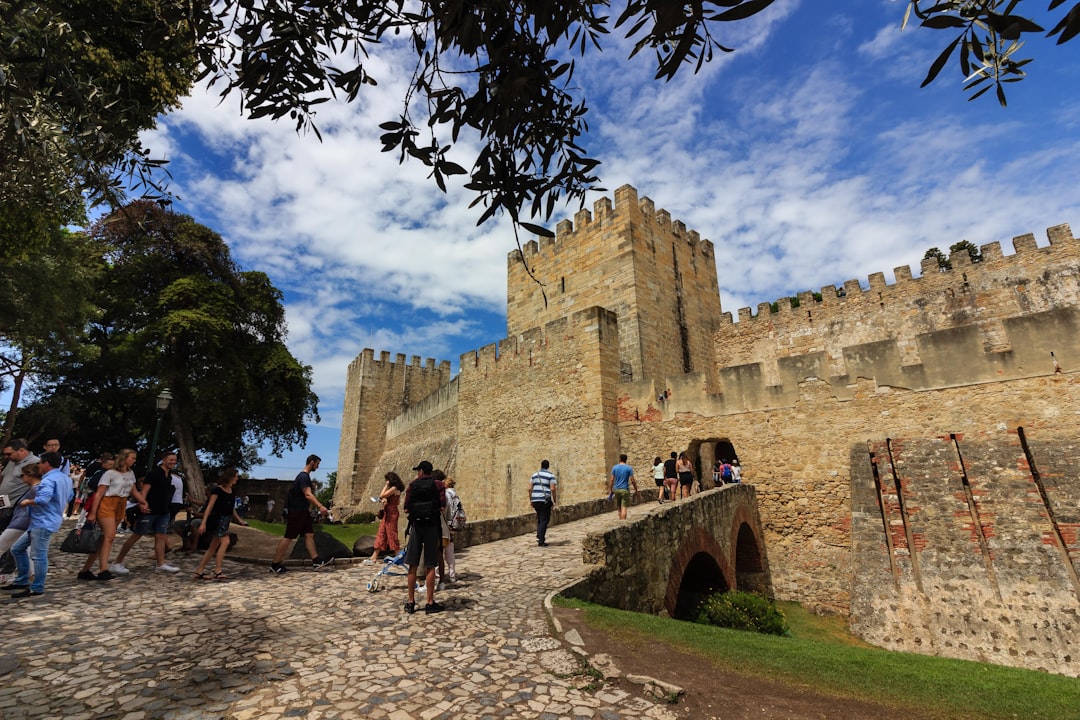
Lisbon seems simple to plan until you find yourself having to choose between the Mosteiro dos Jerónimos in Belém, 6 km from the center, and the Castelo de São Jorge in the heart of Alfama, knowing that there is at least half an hour of tram between the two and that the castle ticket costs 15 euros while the Jerónimos costs 10. Add the Museu Nacional do Azulejo, the Parque das Nações, and the steep climbs of Bairro Alto, and you immediately understand that organizing three days in Lisbon without a serious tool means wasting precious hours in front of scattered Google tabs and randomly downloaded PDFs.

In 2026, the market for digital trip planners is crowded, but not all tools are the same. Some aggregate information without contextualizing it, others require continuous manual updates, and still others have simply been abandoned by developers. Making the right choice before heading to the Portuguese capital can make the difference between a smooth itinerary and a wasted day waiting for the 28E in Martim Moniz square.
Google Trips and Others: Useful Tools but with Obvious Limits

Google Trips was officially discontinued in 2019, yet many travelers continue to search for it thinking it still exists. Its functions have been partially absorbed by Google Maps and Google Travel, but in a fragmented form: attraction lists are available, but structured itineraries by hour and neighborhood are currently missing, and the integration with public transport in Lisbon is superficial. Wanderlog is a popular alternative for collaborative planning, with editable maps and automatic booking imports, but the integrated artificial intelligence remains basic and does not take into account variables such as the opening hours of the Palácio da Pena in Sintra (open from 9:30 AM, with queues of up to 45 minutes on summer weekends) or the Monday closures of many Lisbon museums.
TripIt excels at organizing travel documents — flights, hotels, confirmations — but does not create itineraries. It is a storage tool, not a planning tool. Roadtrippers is designed for road trips in the United States and has very limited European coverage: searching for routes between Lisbon and the Douro Valley often yields incomplete or absent results. None of these tools combine intelligent planning, in-depth local content, and a user experience designed for those traveling with little time who want the most out of each destination.

Secret World: the AI that knows Lisbon neighborhood by neighborhood
Secret World AI Trip Planner generates personalized itineraries based on over a million destinations in the database, with optimization logic that takes into account geographical proximity, opening hours, and user preferences. For Lisbon, this means receiving a plan that groups Belém — Jerónimos, Torre de Belém, and the MAAT — into a single morning, avoiding returning to the same area twice. The AI also suggests the best time to visit the Miradouro da Graça (before 10:00 to avoid the crowd) and notes that the Museu do Azulejo is closed on Mondays, details that Google Maps only shows if you actively search for the place's information.
The substantial difference compared to competitors is the contextual depth. Secret World does not return a list of attractions sorted by popularity: it builds a coherent travel narrative, tailored to the number of available days and the traveler's style. Those with two days who prefer Manueline architecture will receive a different itinerary than those with four days who want to immerse themselves in the fado music scene in Alfama. This personalization is made possible by an AI engine that processes preferences in real-time, not through static templates.
KnowWhere and the audio guides: traveling with more awareness

One of the most original features of Secret World is KnowWhere, an integrated game in the app that challenges the user to identify places around the world through visual and cultural clues. For those planning a trip to Lisbon, it is a concrete way to familiarize oneself with the neighborhoods — Mouraria, Príncipe Real, LX Factory — even before landing at Humberto Delgado Airport. It is not entertainment for its own sake: those who arrive already oriented visit better, waste less time, and discover more nuances.
The audio guides available on Secret World complement the on-site experience. As you walk along the Tejo towards Praça do Comércio or climb towards Castelo de São Jorge, a contextual narration tells you the history of the place without forcing you to look at a screen. It is a format that respects the pace of travel and adapts to those who prefer to listen rather than read. None of the analyzed competitors offer this combination of AI planning, geographical gamification, and audio guides on a single platform.
Download Secret World before heading to Lisbon
If you are planning a trip to Lisbon in 2026, choosing the right tool is not a secondary detail. Secret World AI Trip Planner is available for free on the App Store and Google Play. In just a few minutes, you can generate a personalized itinerary, explore audio guides of the neighborhoods, and start playing with KnowWhere to be well-prepared. While other tools give you information, Secret World gives you a plan.
Download Secret World today and stop wasting time cross-referencing tabs, blogs, and PDFs: your best version of Lisbon is already in the app, just waiting to be activated.


