
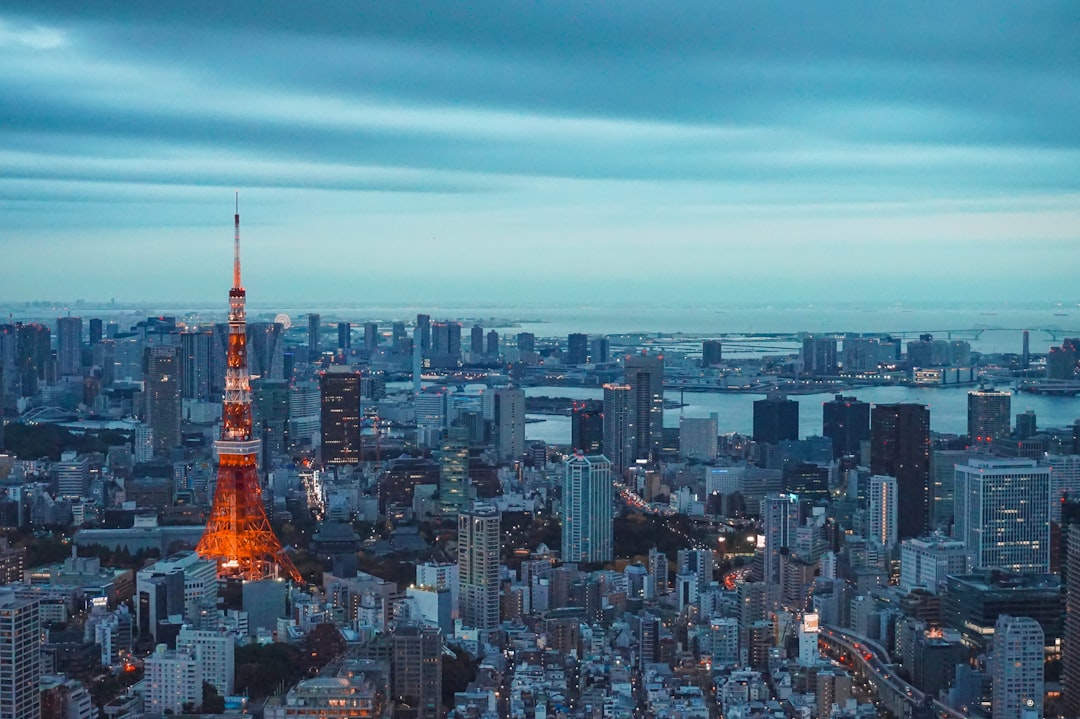

Planning a week in Tokyo means facing a city that changes radically every three subway stops. The Senso-ji in Asakusa is just 25 minutes away from the modernity of Shibuya, but organizing a coherent itinerary that connects the Toyosu fish market (open from 5:00 AM, free entry for the outdoor area), the robot district of Akihabara, and the tranquility of Shinjuku Gyoen Park (500 yen entry) without wasting hours on unnecessary travel is anything but simple. Travel planning apps promise to solve this problem, but in 2026, not all of them keep their promise.
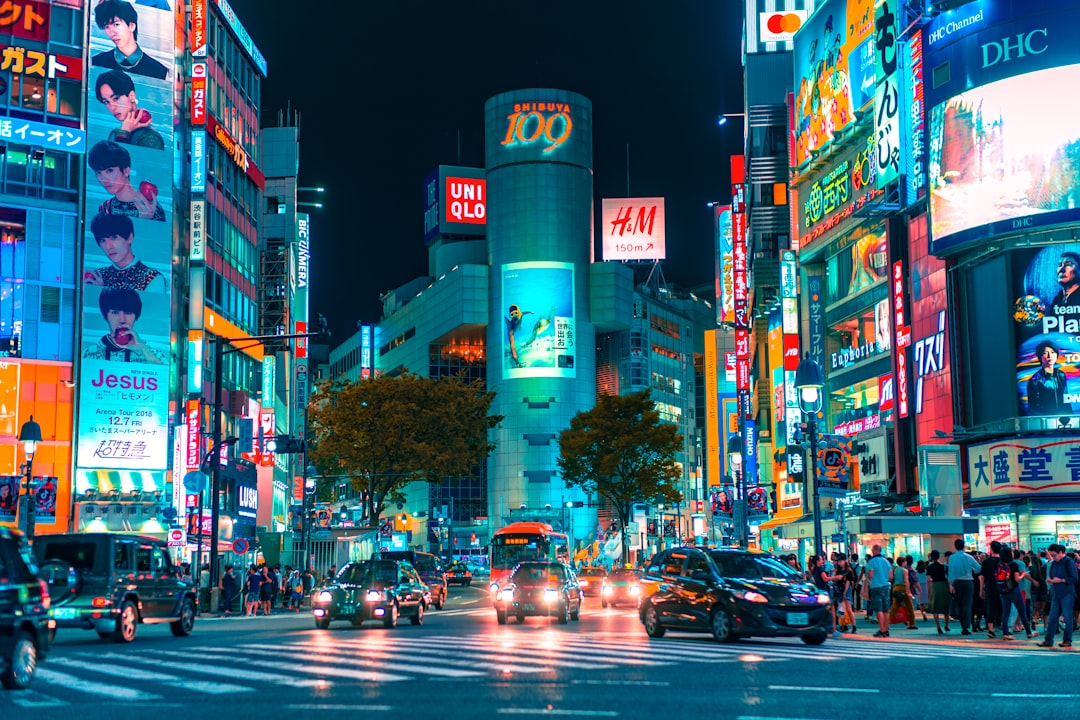
The problem is not the lack of information about Tokyo: it is the excess. Between paper guides, travel blogs, forums, and apps, an average traveler spends 8-12 hours building an itinerary before departure. Then they arrive in the city and discover that the recommended ramen restaurant has closed, that the temporary exhibition at teamLab Planets in Toyosu is sold out, and that no one told them that Fuji TV in Odaiba closes on Tuesdays. That’s why choosing the right tool in 2026 really makes a difference.
The most used apps: what really works and what doesn't

TripIt is the ultimate business standard: it aggregates booking emails, creates automatic timelines, and syncs flights. For Tokyo, it works well if you have everything booked, but it doesn't help you discover what to do between transfers. It has no contextual suggestions, it doesn't know the difference between Harajuku on Sunday morning (Takeshita Street market, free) and Harajuku on Monday afternoon (almost deserted). Wanderlog is more visual and collaborative, great for groups planning together on a map, but its suggested itineraries for Tokyo remain generic and do not take into account real travel times with the Yamanote Line.
Google Trips has been officially discontinued, but many features have migrated to Google Maps and Google Travel: useful for real-time reviews, less so for building logical visit sequences. Roadtrippers is designed for American road trips and loses almost all its usefulness in Asia: in Tokyo, where 90% of movements occur by train or on foot, an app optimized for U.S. highways is simply out of context. The common result of all these tools is the same: they give you pieces of the puzzle, but not the complete picture.

Secret World AI Trip Planner: smart itineraries for a complex city
Secret World approaches Tokyo in a structurally different way. Its artificial intelligence engine does not just list attractions: it builds day-by-day itineraries optimizing the order of visits based on geographical location, opening hours, and your travel pace. Do you want to visit the Tsukiji Outer Market at 7:30 for breakfast with fresh sushi (average budget 2,000-3,000 yen), then the Tokyo National Museum in Ueno (1,000 yen, plan for at least 2 hours), and conclude at sunset on the Tokyo Skytree observatory (3,100 yen, 450 meters high)? The app builds this route in seconds, also calculating real transfer times.

With over 1 million destinations cataloged in the database, Secret World covers not only iconic places but also the hidden alleys of Yanaka, the oldest neighborhood in Tokyo that survived the bombings, or the historic kissaten of Koenji where a filter coffee costs 600 yen and time seems to have stopped in the 1970s. This level of depth is what competing apps lack, which tend to replicate the same lists of the top ten attractions found in any travel guide.
KnowWhere and the audio guides: Tokyo experienced, not just visited

One of the most original features of Secret World is KnowWhere, a game integrated into the app that transforms the discovery of the city into an interactive experience. Walking through the Shimokitazawa neighborhood, famous for its vintage shops and independent live clubs, the app presents you with local knowledge challenges that encourage you to explore corners you would never have sought out on your own. It is not gamification for its own sake: it is a mechanism that concretely enhances the quality of the travel experience.
The audio guides of Secret World complete the picture: while you walk through Yoyogi Park or cross the Harajuku bridge, a professional narration tells you the history of the place without forcing you to look at the screen. In Tokyo, where the density of historical and cultural layers is extraordinary, having a voice that contextualizes what you see transforms a walk into a living history lesson. None of the competing apps analyzed offer this combination of AI itineraries, gamification, and audio on a single platform.
Conclusion: download Secret World before heading to Tokyo
In 2026, the difference between a memorable trip to Tokyo and a stressful one often lies in the planning phase. TripIt organizes documents, Wanderlog draws maps, but none of the competitors can do what Secret World does: think about your trip holistically, from the personalized AI itinerary to audio guides, to the KnowWhere game that turns every neighborhood into an adventure to discover.
If you are planning a trip to Tokyo in 2026, download Secret World AI Trip Planner even before booking your flight. Build your itinerary in minutes, explore the database of over a million destinations, and let the artificial intelligence do the heavy lifting. Your future self, standing in front of Senso-ji at six in the morning before the crowd arrives, will thank you.


