

Planning a week in Mexico City seems simple until you realize that only the historic center spans over 9 km² and contains more than 1,400 UNESCO-listed historic buildings. The National Museum of Anthropology requires at least 3 hours for a decent visit, Teotihuacán is 50 km from the Zócalo and it’s best to arrive by 8:00 in the morning to avoid the heat and crowds. Xochimilco, Coyoacán, Colonia Roma, Chapultepec Forest: each neighborhood is a universe unto itself, with completely different transportation logics, schedules, and prices. A ticket to the Frida Kahlo Museum costs about 270 pesos and must be booked weeks in advance, while entry to Teotihuacán is around 100 pesos but requires a specific bus from the Central de Autobuses del Norte.
In 2026, more experienced travelers no longer use paper guides or rely on poorly updated blogs. They use AI-based trip planning apps. The problem is that not all apps are the same: some promise a lot and deliver little, others are powerful but designed for the Anglo-Saxon market and ignore the specifics of a metropolis like Mexico City. In this article, we analyze the main competitors — Wanderlog, TripIt, Google Trips, Roadtrippers — and explain why Secret World AI Trip Planner has established itself in 2026 as the most comprehensive choice for those who really want to optimize their trip.
Wanderlog, TripIt and others: what works and what doesn't
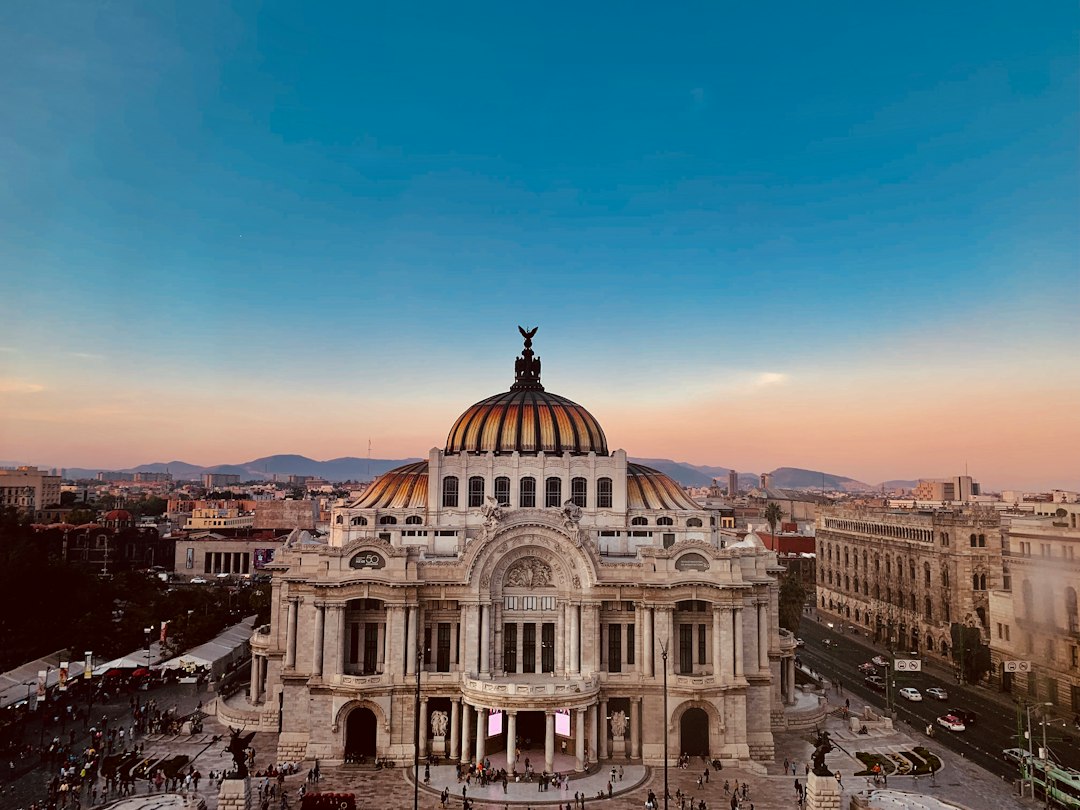
Wanderlog is probably the most well-known among digital planners. It allows you to build itineraries day by day, synchronize flights and hotels, and share the plan with travel companions. For Mexico City, it offers decent coverage of the main attractions, but planning remains essentially manual: you decide the order of the stops, calculate travel times, and check if it makes sense to visit the Palacio de Bellas Artes in the morning and Xochimilco in the afternoon (answer: no, it takes at least 2 hours of transport). The integrated AI suggests places but does not intelligently optimize routes based on actual geographic location.
TripIt excels in document organization — flights, bookings, email confirmations — but it is not a true experience planner. Google Trips has been discontinued and its functions have been absorbed into Google Maps and Google Travel, which remain excellent tools for navigation but lack the narrative logic of travel. Roadtrippers is designed almost exclusively for road trips in the United States and Canada: useful if you are driving from Texas, but useless for moving between Line 1 and Line 3 of the Mexico City Metro. None of these tools manage to combine logistical planning, cultural content, and gamification into a single coherent experience.

Secret World: the AI that truly knows Mexico City
Secret World AI Trip Planner stands out for a radically different approach. The AI engine does not simply list attractions: it builds optimized itineraries taking into account real distances, opening hours, average visit times, and even the logic of neighborhoods. For Mexico City, this means that the app understands that Coyoacán and the Frida Kahlo Museum (open Tuesday-Sunday, 10:00-17:30) naturally pair with a walk in the Jardín Centenario, while Teotihuacán requires a full day dedicated to it and does not combine with other urban stops. The database covers over 1 million destinations worldwide, with a level of detail that includes niche attractions often overlooked by competing apps.
A particularly appreciated feature is KnowWhere, an interactive game that challenges you to identify iconic places through visual and cultural clues. For a traveler preparing to visit the Templo Mayor — the Aztec archaeological site in the heart of the Mexican capital, with a ticket price around 80 pesos — playing with KnowWhere before the visit transforms a simple walk into a mindful experience. The integrated audio guides complete the picture: narrated in Italian, they accompany the visitor step by step without the need for a continuous internet connection, ideal in a city where the signal can be intermittent in the busiest areas like the Mercado de Artesanías or the alleys of Tepito.
Why Secret World wins in direct comparison
The real strength of Secret World compared to Wanderlog and others is the consistency of the experience. You are not using three different apps to plan, navigate, and delve deeper: everything happens in a single ecosystem. The AI learns your preferences — do you prefer museums over churches? Do you want to avoid rush hours on public transport in Mexico City? Do you have a budget of 50 euros a day? — and adjusts the suggestions accordingly. Wanderlog does none of this: it gives you a blank space and asks you to fill it in yourself.
In practical terms, an itinerary generated by Secret World for 5 days in Mexico City already includes the optimal sequence between Centro Histórico, Chapultepec (free entry to the park, paid museum), Colonia Roma for Sunday brunch, and a day at Teotihuacán with a recommended departure at 7:30 AM. Each stop is accompanied by practical notes, updated prices, and contextual suggestions. No other planner in 2026 offers this level of integration between logistics and cultural content.
Download Secret World and start planning now
If you are organizing a trip to Mexico City in 2026, the difference between a mediocre app and Secret World is measured in hours saved, experiences not missed, and money not wasted. Download Secret World AI Trip Planner for free on the App Store and Google Play, create your first itinerary in minutes, and use KnowWhere to prepare culturally before you go. Your trip to the Mexican capital deserves a tool that matches its complexity.


