


Are you trying to figure out how to move between Shinjuku and Asakusa in just one morning, avoid the two-hour lines at TeamLab Planets in Toyosu, and still find time for ramen at Fuunji before they run out of seats? Tokyo is not just a big city: it is a metropolis with 23 administrative districts, a subway network of over 280 stations, and a cultural offering that changes radically from one block to another. Planning it without an intelligent system means losing precious hours and money.

In 2026, the AI trip planner market has become crowded, but not all tools are designed to handle the complexity of a destination like Tokyo. Wanderlog is the name that comes up most often in online discussions, but a direct comparison with Secret World AI Trip Planner reveals substantial differences in how the two tools approach the actual organization of a trip. Let's see what they really offer.
Wanderlog, TripIt and Google Trips: what works and what doesn't

Wanderlog is appreciated for its clean interface and the ability to share itineraries with the travel group. It allows you to import confirmation emails, add stops on the map, and calculate road routes. The problem is that it was created as a generalist tool: in Tokyo, where public transport is the norm and driving is counterproductive, distance calculations based on roads lose their usefulness. Manually adding each stop between Senso-ji in Asakusa and Meiji Jingu in Harajuku — about 10 km but 35 minutes by subway — requires constant verification work that the user must do on their own.
TripIt excels in organizing travel documents: flights, hotels, reservations. But it is essentially an aggregator, not an intelligent planner. It does not suggest what to do, does not optimize schedules, does not know that the Tsukiji Outer Market is worth visiting only early in the morning (before 10:00 AM) or that tickets for Teamlab Borderless at Azabudai Hills sell out weeks in advance. Google Trips, in its current version integrated into Maps, offers useful local suggestions but does not build coherent itineraries over multiple days. Roadtrippers, designed for North American road trips, is simply out of context in Japan.

Secret World: when AI truly understands Tokyo
Secret World AI Trip Planner operates on a database of over 1 million global destinations and builds daily itineraries taking into account real variables: opening hours, average visit times, public transport distances, and price ranges. For Tokyo, this translates into itineraries that respect the geographical logic of the city: it doesn't send you from Akihabara to Odaiba and then back to Shibuya in the same afternoon. An itinerary generated for 5 days in Tokyo automatically includes a neighborhood breakdown — one day dedicated to the traditional east (Asakusa, Ueno, Yanaka), one to the modern west (Shinjuku, Harajuku, Shibuya) — with cost estimates ranging from 1,500 yen for state museums to 3,200 yen for digital theme parks.

The most evident difference compared to Wanderlog is in contextual intelligence. Secret World does not just place dots on a map: it analyzes the traveler's profile, stated preferences, and time constraints to propose coherent alternatives. If you have already visited the Imperial Palace, the app does not suggest it again and instead recommends the Koishikawa Korakuen garden, often overlooked by traditional guides but only a 15-minute walk from Iidabashi station.
KnowWhere and the audio guides: Tokyo beyond the surface
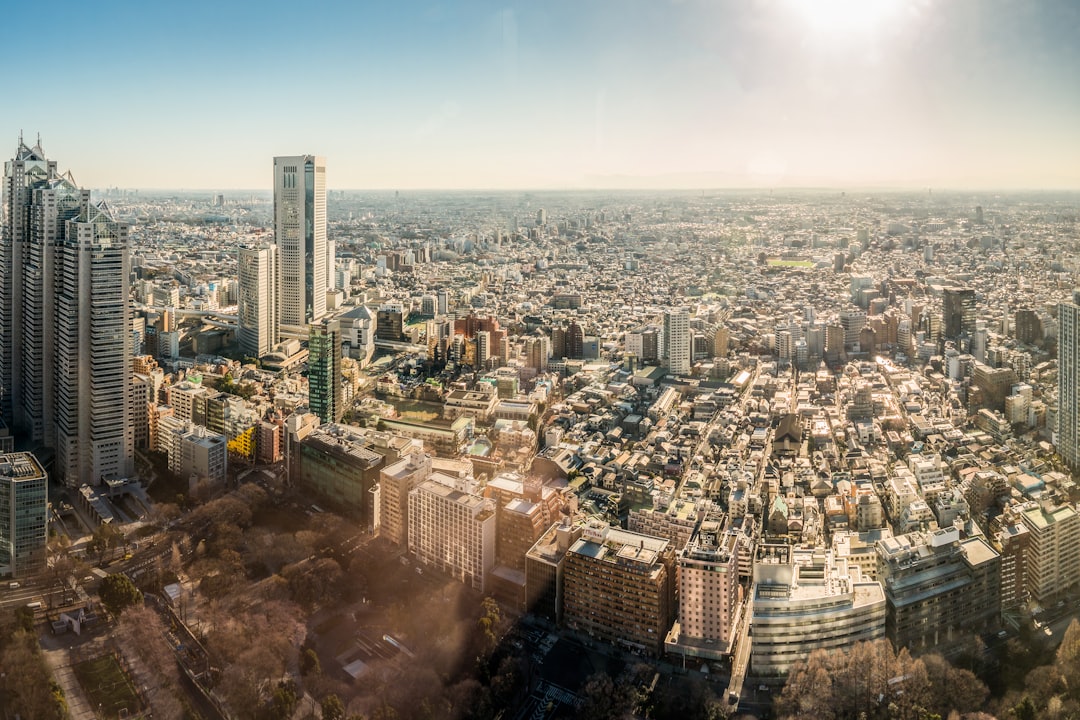
Two features of Secret World have no direct equivalents in Wanderlog. The first is KnowWhere, an interactive game based on geolocation that transforms the discovery of the city into an active experience: in Tokyo, you can unlock hidden content by walking through the Yanaka neighborhood or exploring the alleys of Golden Gai in Shinjuku. It’s not a gadget: it’s a way to step outside the standardized tourist circuits and find the Tokyo that locals really frequent.
The second is the integrated audio guides, also available offline. In a city where data connection can be intermittent in the most crowded areas or in the subway's underground, having contextual narration about Hamarikyu Gardens or the Yanesen neighborhood without depending on the signal is a concrete advantage. Wanderlog offers nothing similar: its notes function is manual, not narrative.
Which app to choose for Tokyo in 2026?
Wanderlog remains a valid tool for those who want to manage a trip collaboratively and already have clear ideas about what to do. But to tackle Tokyo — a city that requires layered planning, knowledge of schedules, route optimization, and the ability to discover something authentic beyond the usual itineraries — Secret World offers a level of intelligence and depth that Wanderlog does not reach in 2026.
If you are organizing a trip to Tokyo and want an itinerary that really works, from the first day to the last, download Secret World AI Trip Planner and let the AI build a tailored plan for you. Available on iOS and Android, it is the tool that transforms the complexity of Tokyo into a navigable — and surprising — experience.


