



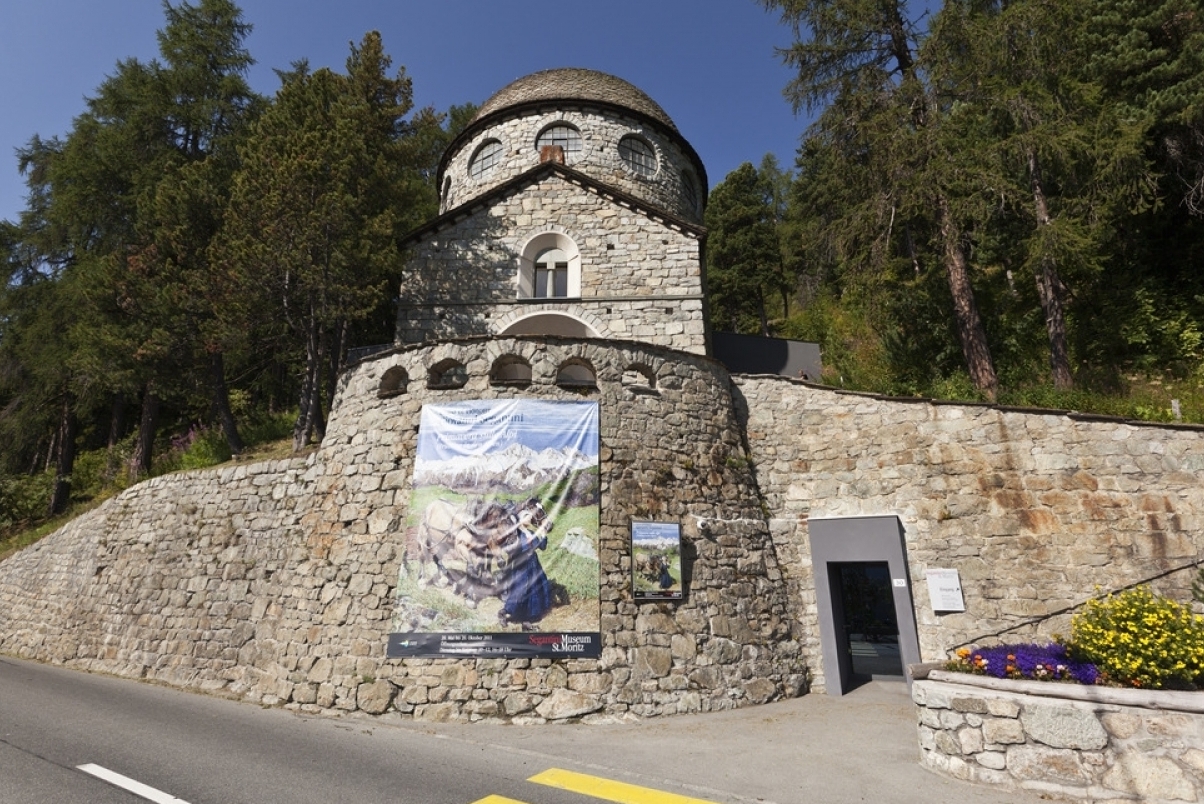
In the heart of the Engadin Valley, surrounded by the majestic Swiss Alps, lies a gem of artistic brilliance—the Segantini Museum in Sankt Moritz. This evocative institution pays homage to one of the most important figures in Italian art, Giovanni Segantini, whose life and work are entwined with the very landscapes that inspire countless visitors today.
History and Origins
The Segantini Museum was inaugurated in 1908, four years after the untimely death of Giovanni Segantini. The museum was founded to honor the legacy of this remarkable artist who, despite his short life, left an indelible mark on the art world. Segantini was born in Trento in 1858, but he found his muse in the serene beauty of the Engadin region, where he spent the last years of his life. This area became a backdrop for his most significant works, and upon his death at the age of 42, he was laid to rest in the nearby Cimitero di Maloja, where he had painted some of his most celebrated pieces.
Architect Nicolaus Hartmann designed the museum, which harmoniously merges with its Alpine surroundings. The building’s structure is characterized by its elegant lines and ample use of natural light, reflecting Segantini's own fascination with the interplay of light and color in his paintings. The museum serves not only as a gallery but also as a testament to the artist’s deep connection to this land.
Art and Architecture
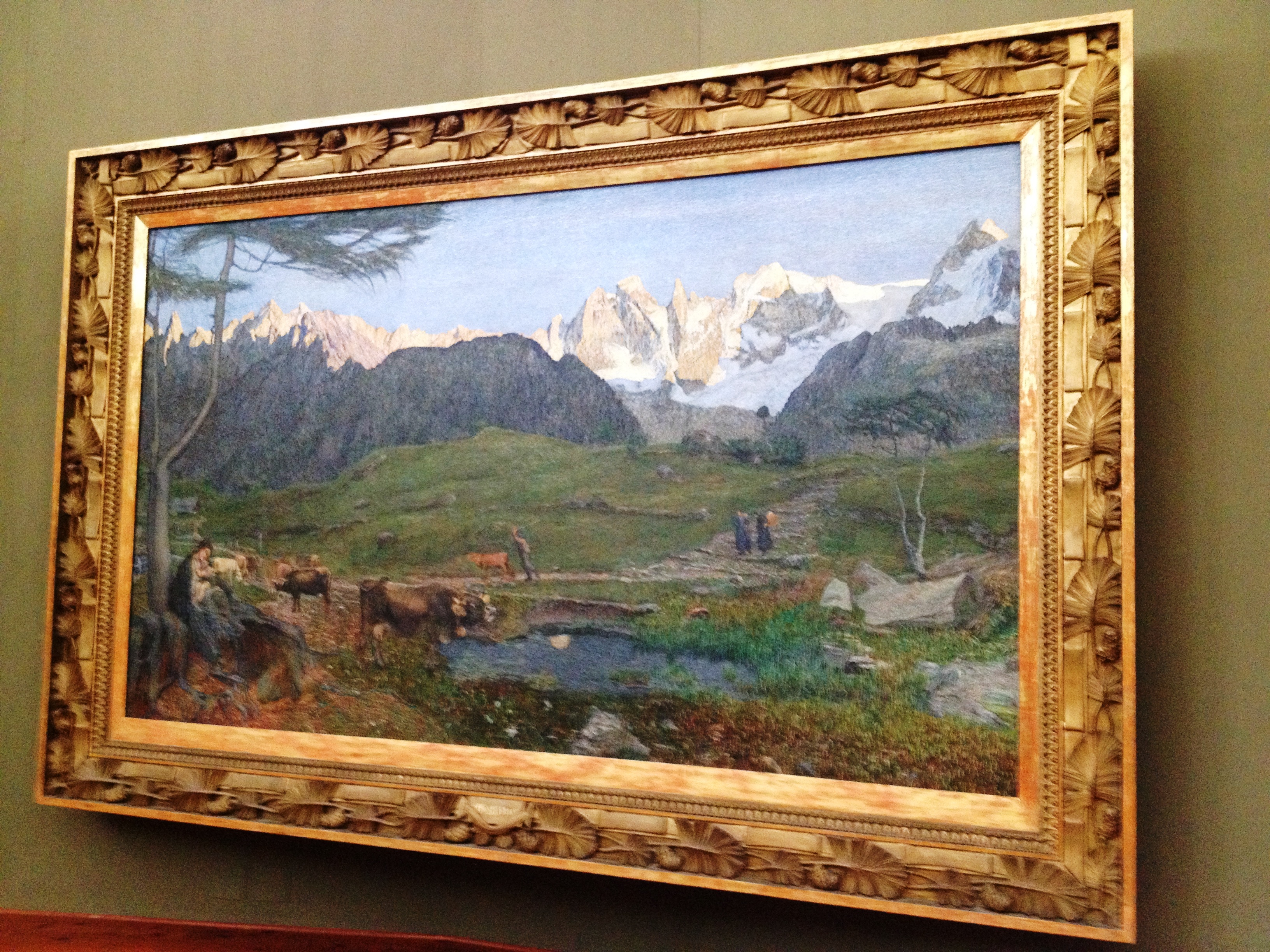
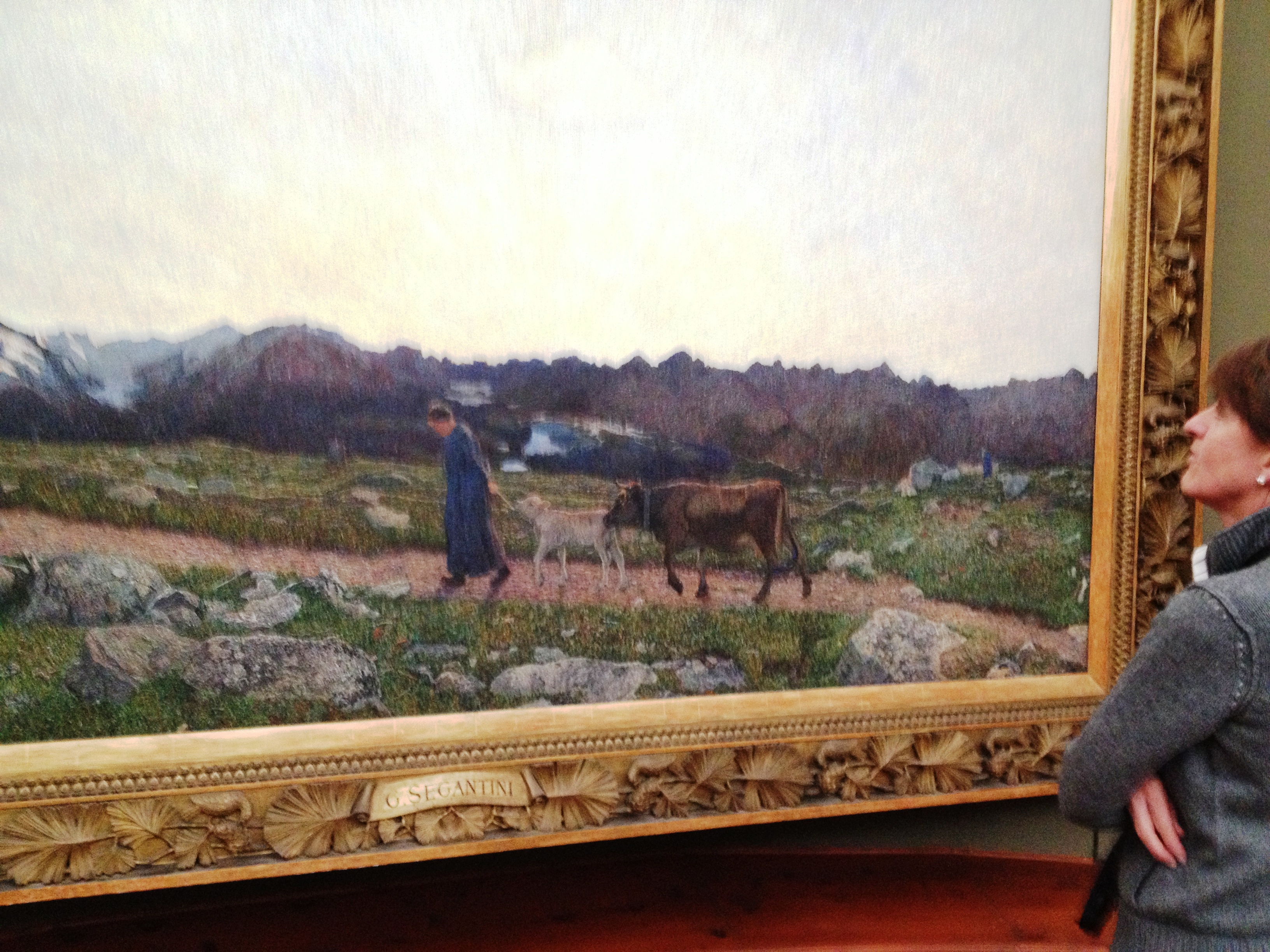
Inside the museum, visitors are greeted by the largest collection of Segantini's works, showcasing both his Italian and Swiss periods. The collection features approximately 300 pieces, including some of his most famous masterpieces like “The Punishment of Lust” and “The Alpine Tryptich”. These works exemplify Divisionism, a technique that focuses on the use of small dots of color to create vibrant images full of light and movement.
The architectural style of the museum complements Segantini's art. The building’s simple yet striking design does not overshadow the artworks; rather, it enhances the viewing experience, allowing visitors to immerse themselves fully in the colors and emotions portrayed in Segantini's paintings. The way natural light filters through the large windows creates a dynamic atmosphere, reminiscent of the landscapes that inspired the artist.
Local Culture and Traditions
The Engadin Valley is rich in traditions and local customs, many of which are celebrated in Sankt Moritz. The area is known for its vibrant cultural events, such as the Celtic Festival and the St. Moritz Art Masters, which attract artists and art lovers from around the world. The local culture is a fusion of Swiss and Italian influences, reflected in the dialect spoken here, known as Romansh, as well as in traditional clothing, music, and dance.
Gastronomy
No visit to Sankt Moritz would be complete without indulging in the local cuisine. The region is renowned for its hearty dishes, such as capuns (Swiss chard-wrapped dumplings) and polenta. For those with a sweet tooth, the Engadin nut cake is a must-try; it's a rich pastry filled with caramelized nuts that perfectly embodies the flavors of the region. Pair these dishes with a glass of Engadin wine or the local grappa, and you’ll experience the essence of Sankt Moritz in every bite.
Lesser-Known Curiosities
While many visitors flock to the museum for its celebrated artworks, few know that Segantini was also an avid naturalist. He spent hours observing the flora and fauna of the Alps, which deeply influenced his artistic style. Additionally, the museum houses a hidden gem—a small room dedicated to the artist's correspondence and personal artifacts, offering insight into his life and thoughts. This intimate space allows visitors to connect with Segantini on a more personal level, revealing the man behind the masterpieces.
Another lesser-known fact is that the museum not only focuses on Segantini’s work but also hosts temporary exhibitions of contemporary artists, bridging the past with the present and ensuring that the spirit of innovation continues to thrive in this Alpine community.
Practical Visitor Information
The best time to visit the Segantini Museum is during the warmer months, from late spring to early autumn, when the surrounding landscapes are in full bloom. However, winter visitors can also enjoy a unique experience, as the museum provides a warm refuge from the chilly Alpine air.
When planning your visit, consider joining one of the guided tours to gain deeper insights into Segantini's life and work. The museum is also equipped with a café, perfect for relaxing after your exploration. Don’t forget to check the museum’s calendar for special events or exhibitions that may coincide with your visit.
In summary, the Segantini Museum is not merely a destination for art enthusiasts; it’s a cultural cornerstone that captures the essence of Sankt Moritz and its breathtaking surroundings. To truly appreciate the richness of this area, consider using the Secret World app to plan a personalized AI itinerary for your journey through Sankt Moritz.
