



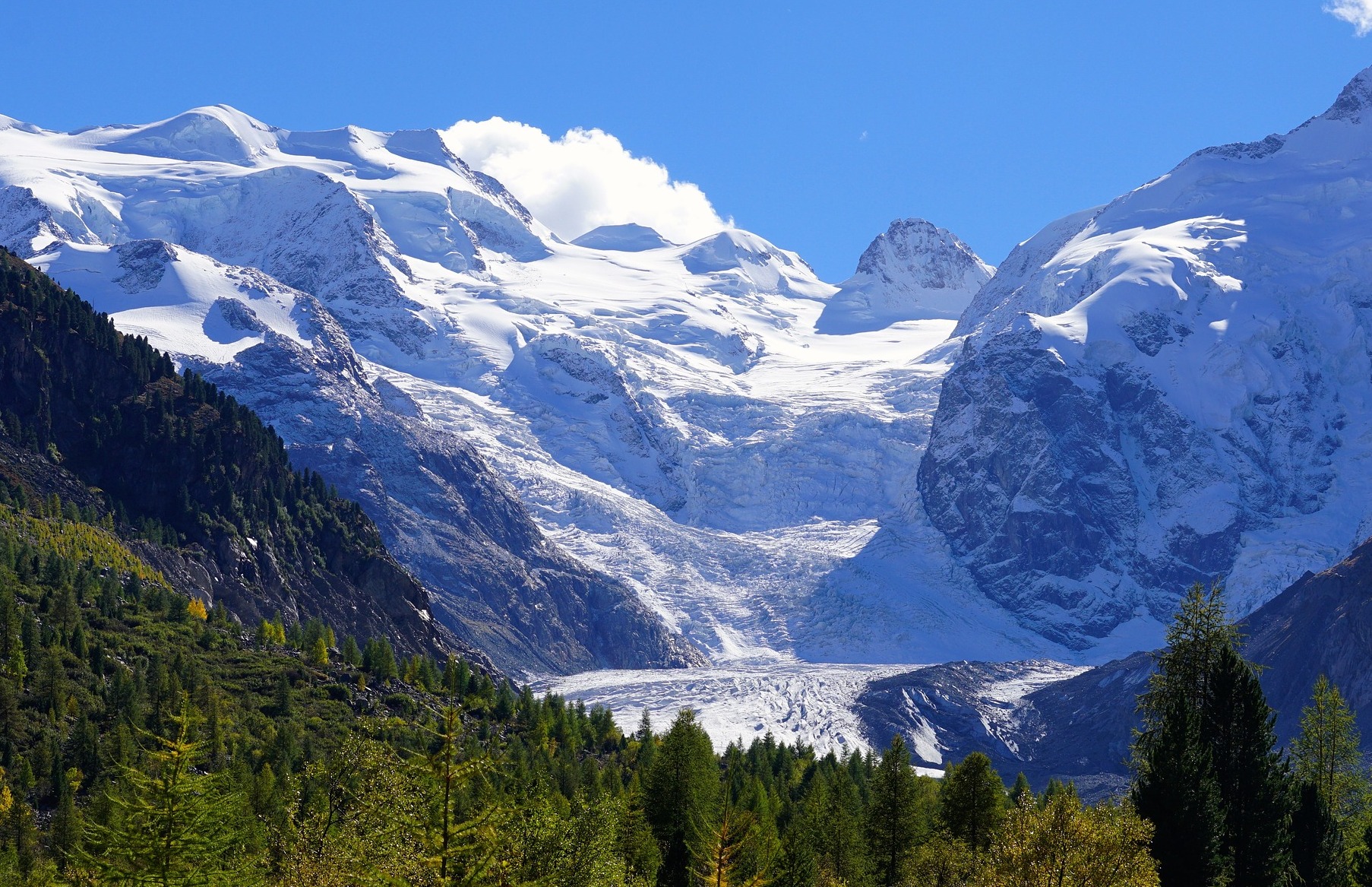
The Morteratsch Glacier, located near Pontresina in the stunning Swiss Alps, is more than just a magnificent natural wonder; it's a living testament to the earth's climatic history. As the largest glacier in the Bernina massif, it stretches approximately seven kilometers, descending nearly 2000 meters. This breathtaking glacier is fed by the Pers Glacier and nourishes the Ova da Bernina, a tributary of the Inn River. The mesmerizing blues and whites of the ice, coupled with the dramatic mountain backdrop, make this glacier a must-visit destination for nature lovers and adventure seekers alike.
### History and Origins
The history of the Morteratsch Glacier is intertwined with the geological evolution of the Alps. Formed during the last Ice Age, approximately 25,000 years ago, this glacier has been a significant player in shaping the landscape of the Bernina region. Ancient communities, including the Romans, revered these mountains, and the glacier has been a part of local lore for centuries. In the early 19th century, Swiss naturalists began to explore the glacier, documenting its changes and contributing to the burgeoning field of glaciology.
One of the pivotal moments in its history occurred in 1864 when the first systematic measurements of the glacier were taken by the Swiss physicist Heinrich Pestalozzi, revealing the profound effects of climate change on glacial retreat. Today, the Morteratsch Glacier serves as a poignant reminder of environmental shifts, prompting discussions on sustainability and conservation.
### Art and Architecture
While the Morteratsch Glacier itself is a natural masterpiece, the surrounding area boasts remarkable architecture that pays homage to the region's alpine heritage. Pontresina, known for its quintessential Swiss chalets and luxury hotels like the Grand Hotel Kronenhof, showcases a blend of traditional and modern architectural styles. The Engadine houses, characterized by their wooden façades and stone bases, stand in stark contrast to the icy backdrop of the glacier.
Artistic significance is evident in the works of local artists who draw inspiration from the breathtaking landscapes. The Engadine valley has been a muse for many painters, including Giovanni Segantini, whose masterpieces capture the ethereal light and vivid colors of the Alps. Visitors can explore galleries in Pontresina that feature these artists, connecting the cultural and natural beauty of the region.
### Local Culture and Traditions
The culture surrounding the Morteratsch Glacier is deeply influenced by the traditions of the Engadine people. Local customs are rich with history, from traditional farming practices to the craftsmanship of Alpine textiles. One of the most celebrated events is the Engadine Ski Marathon, held each March, which attracts thousands of participants and spectators to the region, showcasing both athleticism and community spirit.
Festivals such as Festa da San Niclò in December celebrate the region's heritage with parades, music, and local delicacies. These events provide insight into the traditions that have been passed down through generations, highlighting the close-knit community that thrives in the shadow of the majestic mountains.
### Gastronomy
The culinary scene in Pontresina is a delightful fusion of traditional Swiss flavors and Alpine influences. Local specialties include Pizzoccheri, a hearty dish made from buckwheat pasta, potatoes, and cheese, perfect for warming up after a day of exploring the glacier. Another must-try is Capuns, a dish of Swiss chard rolls filled with meat and spiced rice, showcasing the region's agricultural bounty.
For those with a sweet tooth, the Engadine nut cake (Nusstorte) is an indulgent treat that captures the essence of local flavors. Pair these dishes with a glass of the region's crisp white wine or a steaming mug of Swiss hot chocolate to complete your culinary experience.
### Lesser-known Curiosities
Beyond its stunning vistas, the Morteratsch Glacier holds intriguing secrets. For instance, many visitors are unaware that the glacier is home to a unique microclimate, supporting rare flora and fauna that thrive in the harsh conditions. The Alpine ibex and chamois can often be spotted in the surrounding areas, adding to the region's biodiversity.
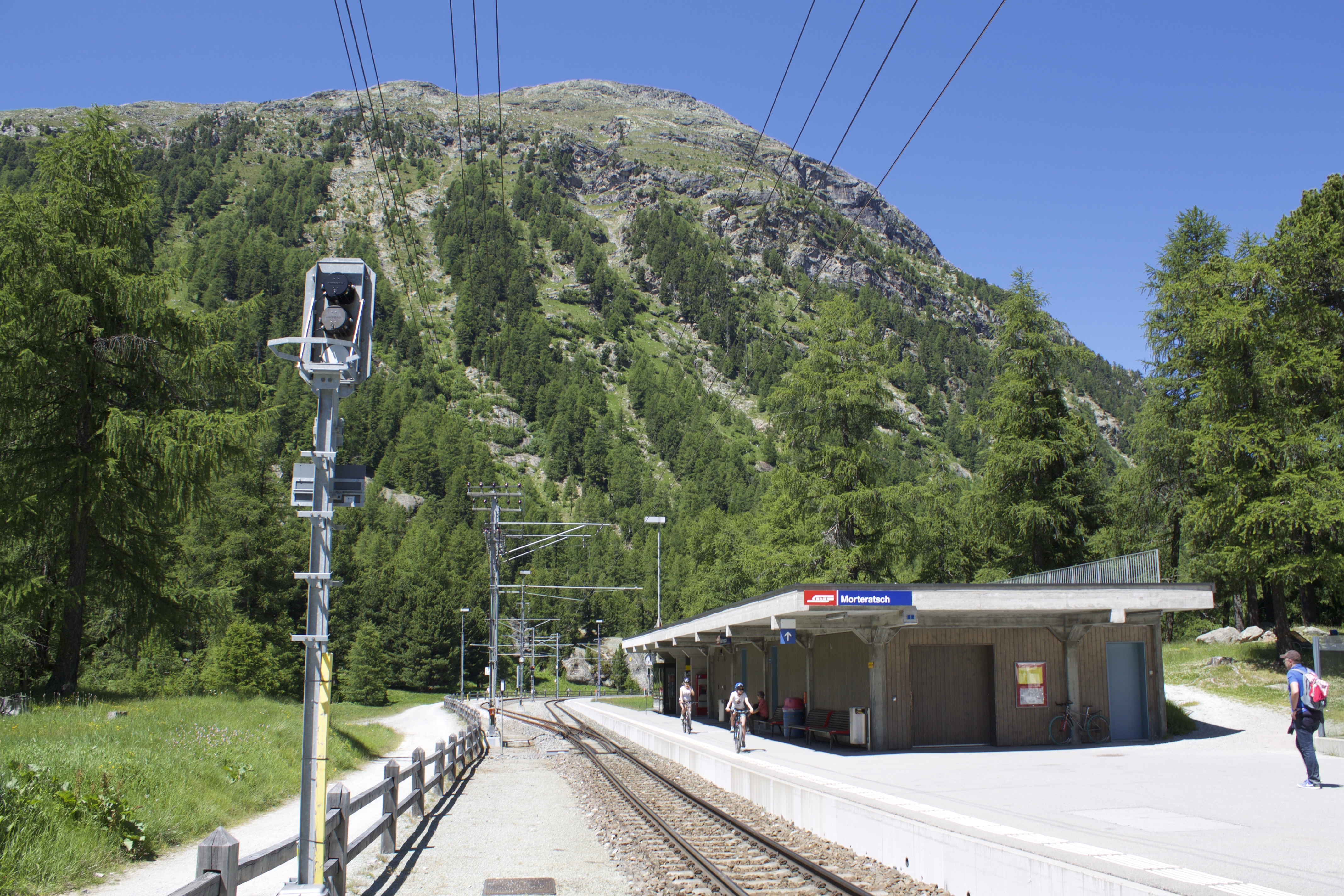
Another fascinating detail is the glacier's role in the Alpine tourism boom of the late 19th century. The introduction of the Bernina Railway in 1910 made the glacier more accessible, leading to an influx of tourists eager to experience the beauty of the Alps. This connection has shaped the development of the region, blending tourism with environmental preservation.
### Practical Visitor Information
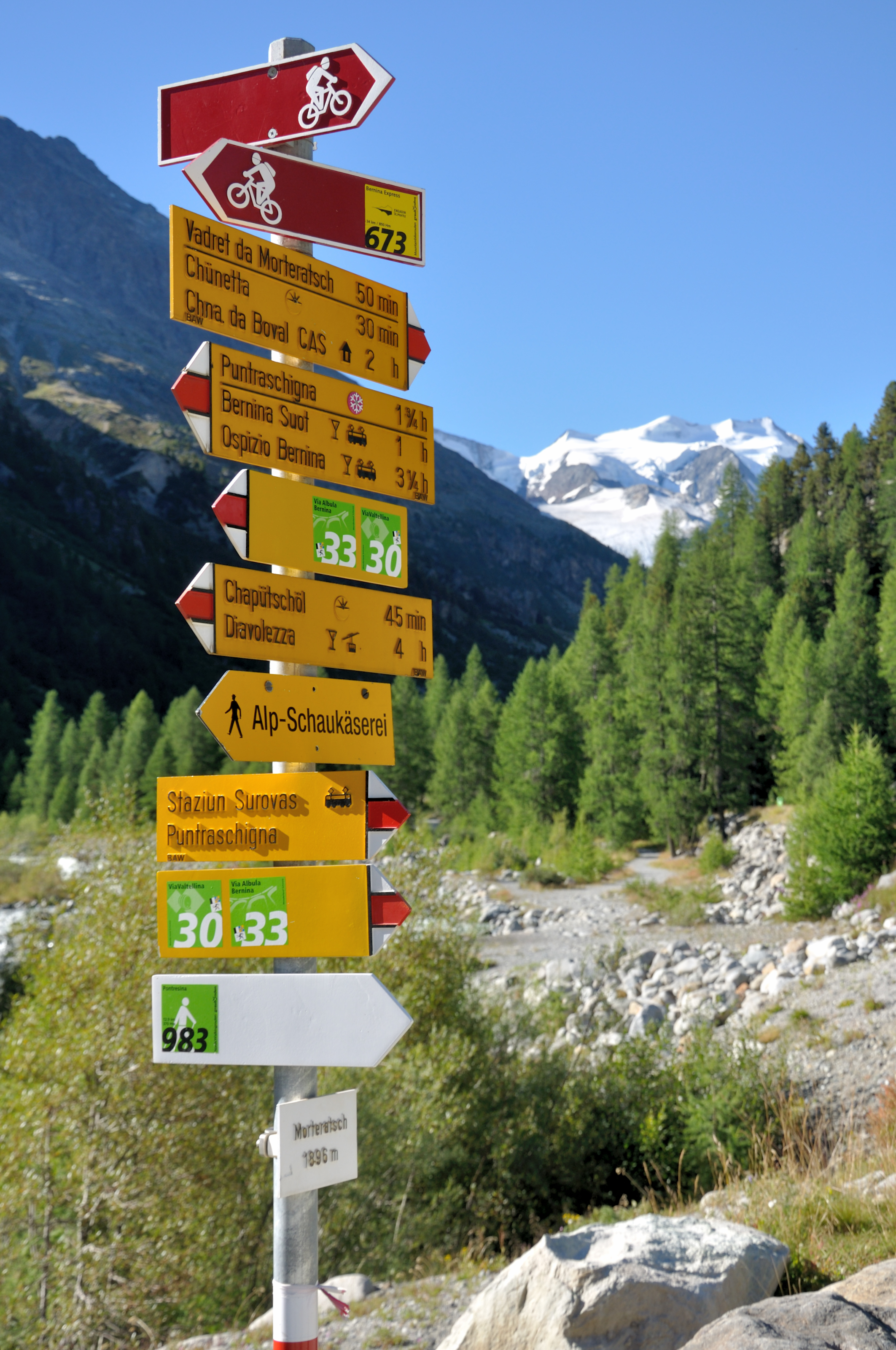
The best time to visit the Morteratsch Glacier is during the summer months, from June to September, when the weather is mild and trails are accessible. Early autumn can also offer stunning views as the foliage transitions. Visitors should dress in layers, as temperatures can fluctuate dramatically, and sturdy hiking boots are essential for exploring the trails around the glacier.
Don’t miss the opportunity to hike the Morteratsch Glacier Trail, which provides breathtaking views and a closer look at the glacier's unique features. Guided tours are available for those interested in learning more about the glacier's geology and ecology, making for an enriching experience.
For an unforgettable adventure that combines history, culture, and breathtaking natural beauty, the Morteratsch Glacier is a destination that promises to leave a lasting impression. Use the Secret World app to create a personalized itinerary that lets you explore the wonders of Pontresina and its surroundings.
