



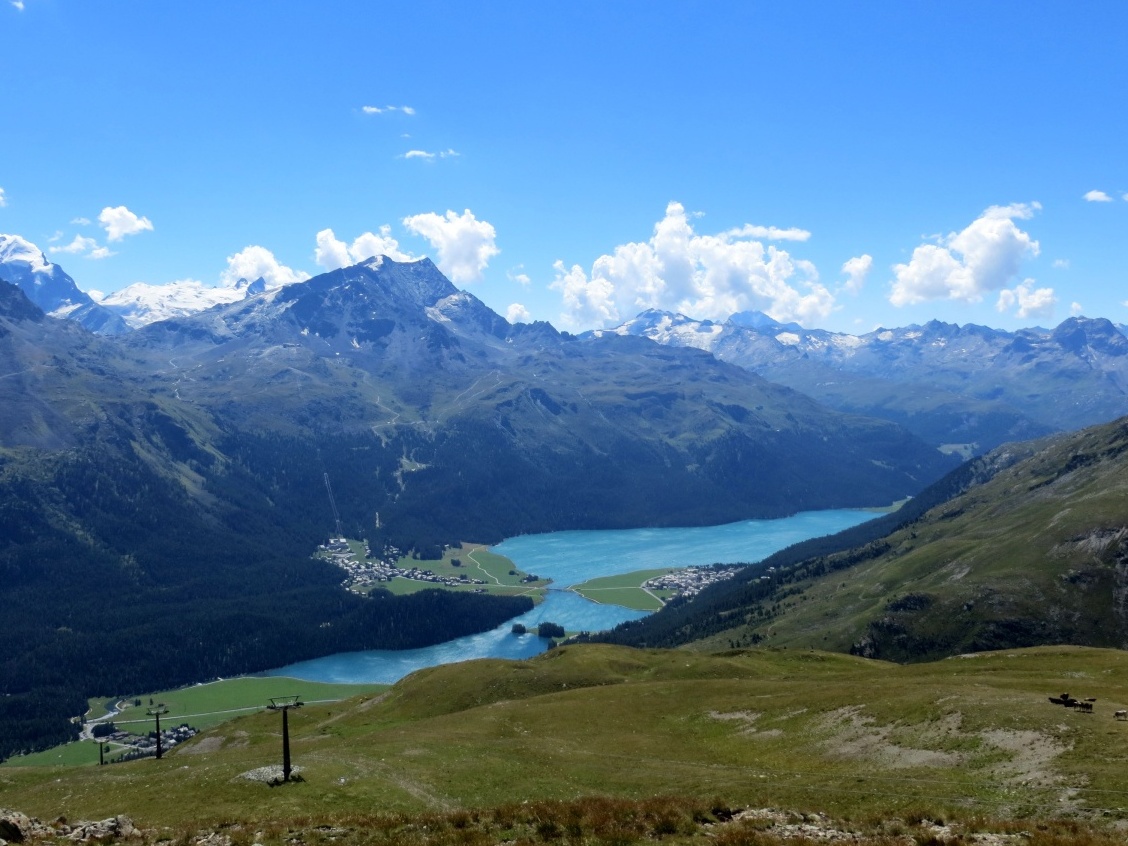
Nestled in the heart of the Engadin Valley, Lake Silvaplana is a hidden gem of Switzerland, often overlooked in favor of its more famous counterparts. But this body of water, at an elevation of 1,800 meters, reveals a captivating blend of natural beauty and exhilarating outdoor adventure, making it one of the windiest and most picturesque places in the country.
History and Origins
The history of Lake Silvaplana is intertwined with the broader narrative of the Engadin region, which has been inhabited since the Bronze Age. The area was settled by the Romans, and remnants of their presence can still be found in nearby sites. The lake itself was formed during the last Ice Age, around 10,000 years ago, as glaciers melted and carved the stunning valley we see today.
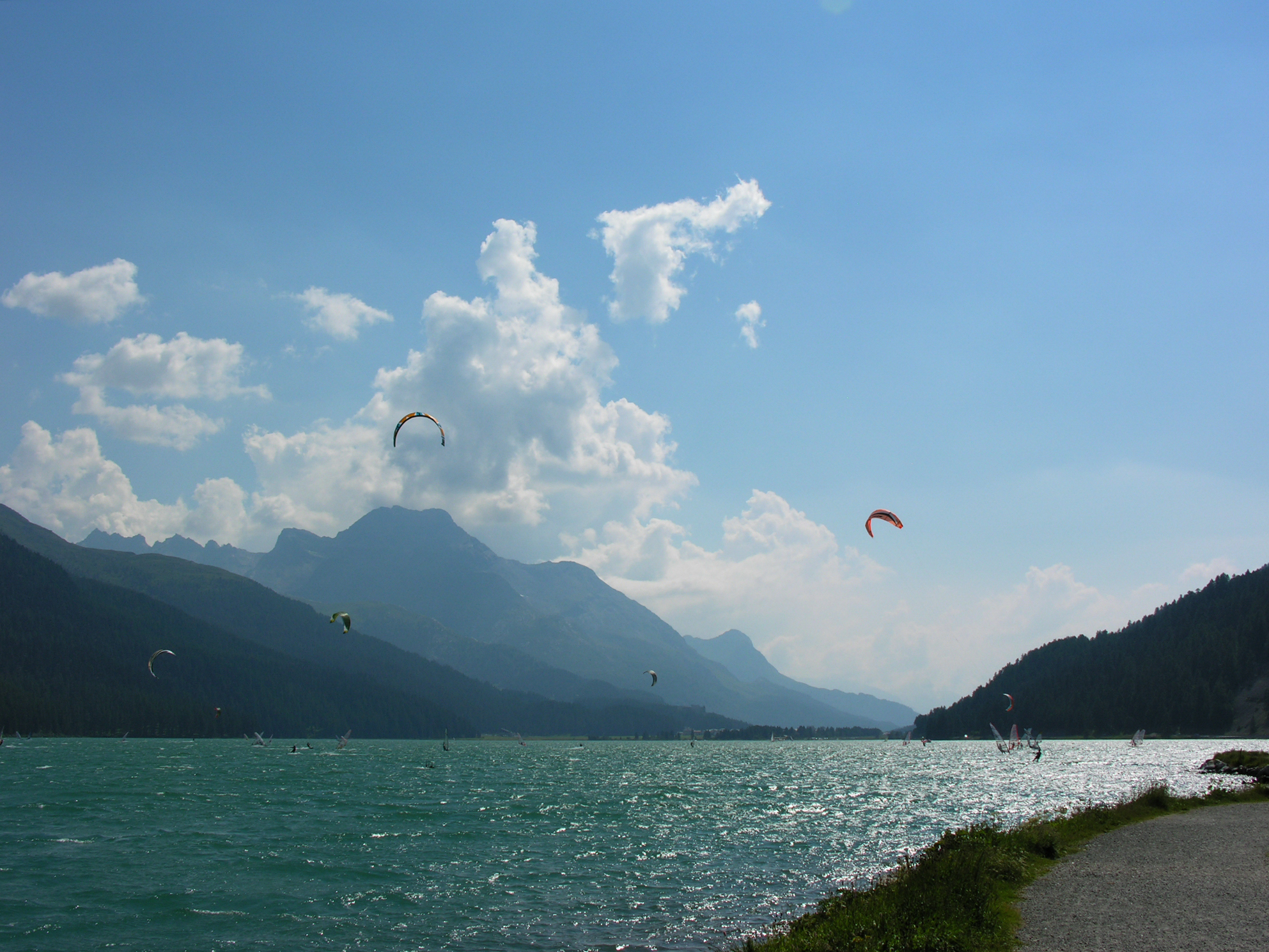
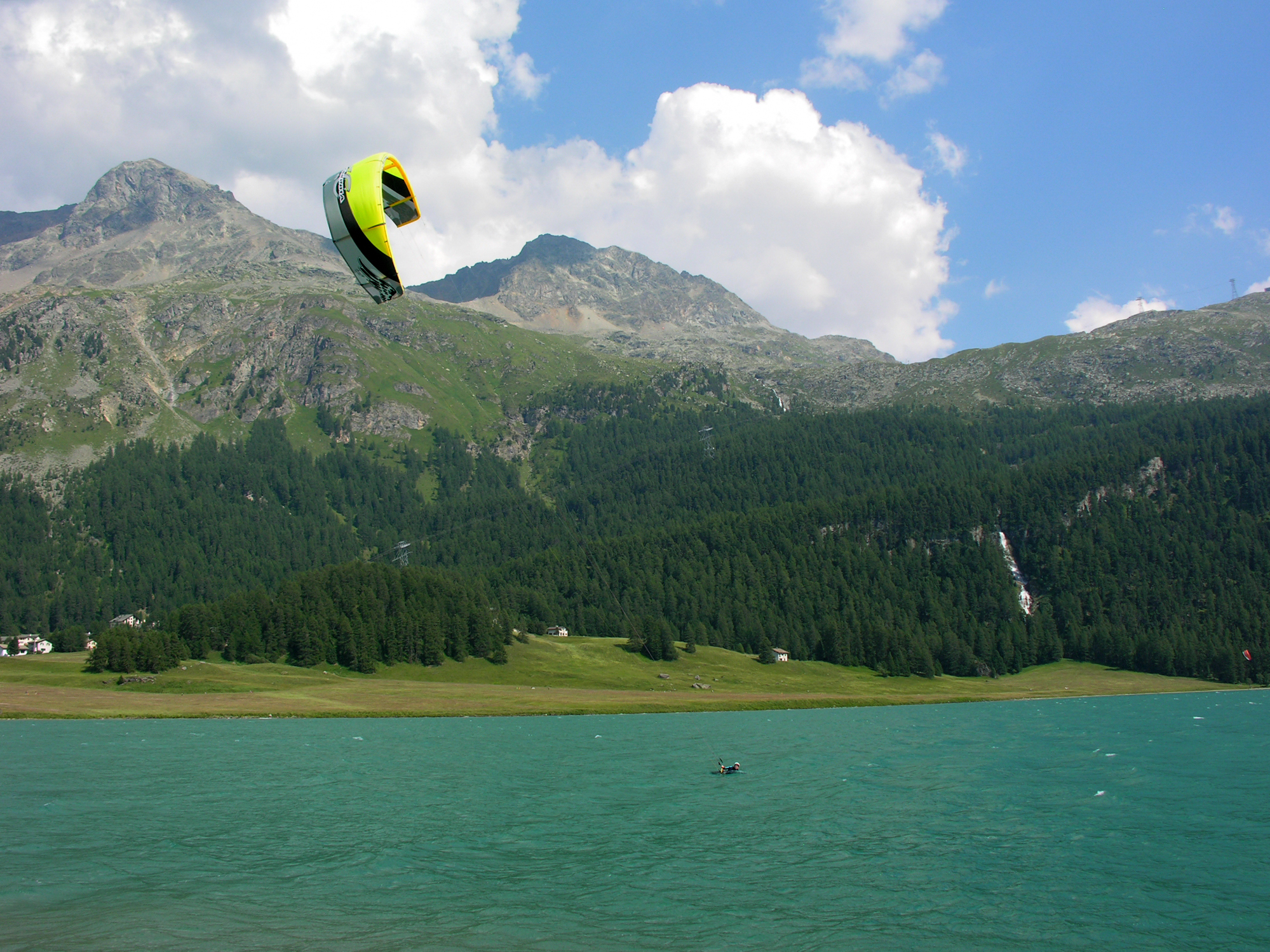
In the late 19th century, Silvaplana began to establish itself as a tourist destination, with the arrival of the railway in 1903 marking a significant turning point. This connection to the outside world brought visitors eager to experience the breathtaking landscapes and the invigorating mountain air. Today, the lake is a hub for windsurfing and kitesurfing, attracting sports enthusiasts from around the globe, but its historical roots run deep in the local culture.
Art and Architecture
The architecture of Silvaplana reflects the traditional Engadin style, characterized by wooden chalets adorned with intricate carvings and painted facades. This style is not only practical but also deeply connected to the region's alpine heritage. Notable structures include the Church of St. James, which dates back to 1150, showcasing Romanesque architecture with its distinctive onion dome and beautifully preserved frescoes.
The Engadin Museum in nearby St. Moritz offers a glimpse into the cultural tapestry of the region, featuring exhibits on local art, craftsmanship, and the age-old traditions that shape the identity of the people. The artistic significance of the area is further highlighted during the annual Engadin Art Talks, where artists, architects, and cultural figures gather to discuss contemporary art's role in the alpine landscape.
Local Culture and Traditions
Silvaplana's culture is steeped in tradition, with customs that celebrate its rich heritage. The Festa da Sogn is a local festival held in August, where residents and visitors come together to enjoy traditional music, dance, and local delicacies. During winter, the Engadin Skimarathon, one of the largest cross-country ski races in the world, draws participants from far and wide, showcasing the community's love for outdoor sports.
The region is also known for its unique dialect, Romansh, which is still spoken by many locals. This language adds a layer of authenticity and charm to the interactions you’ll have in the area, allowing visitors to connect more deeply with the culture.
Gastronomy
No visit to Lake Silvaplana would be complete without indulging in the local gastronomy. The area is famous for its hearty mountain dishes, including Pizzoccheri, a type of buckwheat pasta served with potatoes and cheese, and Capuns, Swiss chard-wrapped dumplings filled with meat or cheese.
Don’t miss the chance to sample Engadine nut tarts, a sweet treat made with caramelized nuts and a buttery crust, perfect for an afternoon snack after a day of kiting or hiking. Pair your meals with a glass of Engadin wine or a local beer, allowing you to truly savor the flavors of the region.
Lesser-known Curiosities
While many visitors flock to the lake for water sports, few know of the legend of the Silvaplana Mermaid, a tale that locals share with a mix of pride and amusement. According to legend, a beautiful mermaid could be seen basking on the shores of the lake, luring fishermen with her enchanting songs. This story reflects the deep connection between the local people and the natural world surrounding them.
Additionally, the unique wind patterns at Lake Silvaplana, especially the " Maloja Wind," create ideal conditions for kitesurfing and windsurfing, making it a hotspot for enthusiasts. This phenomenon occurs in the afternoons when the temperature difference between the mountains and the lake creates strong, steady winds.
Practical Visitor Information
To make the most of your visit to Lake Silvaplana, the summer months (June to September) are ideal for water sports, while winter (December to March) offers opportunities for skiing and hiking in the surrounding mountains. During peak seasons, accommodations can fill up quickly, so booking in advance is advisable.
A hiking trail surrounds the lake, providing stunning views and access to nearby peaks. Don’t forget your camera; the vistas are nothing short of breathtaking. Also, be sure to check local weather conditions, as mountain weather can change rapidly.
For those looking to immerse themselves fully in the experience, consider using the Secret World app to create a personalized itinerary that includes all the hidden gems and must-see locations around Lake Silvaplana.
