



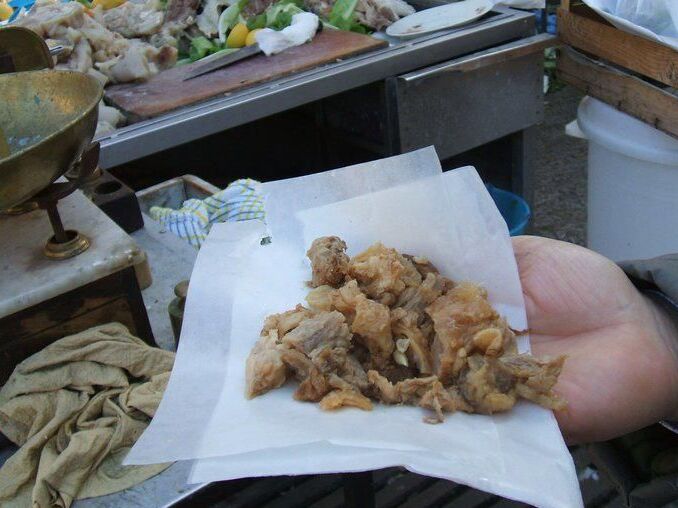
In the bustling streets of Palermo, the savory aroma of frittola wafts through the air, a culinary delight that epitomizes the heart and soul of Sicilian street food. This dish, known locally as frittula, is more than just a meal; it’s a testament to Sicily's rich history and the cultural tapestry that defines this Mediterranean island.
History and Origins
The origins of frittola can be traced back to the culinary practices of ancient Sicilian society, where resourcefulness was key to survival. Traditionally made from veal offal, grassetti, and small cartilages, frittola reflects the island's historical reliance on every part of the animal. During the Arab conquest in the 9th century, the introduction of new cooking techniques and spices transformed the local cuisine, laying the groundwork for what would become a vibrant culinary landscape.
By the 19th century, as Palermo flourished as a cultural melting pot, frittola became a staple in the diet of the working class. Street vendors, known as Frittolari, would prepare this delicacy in large cauldrons, serving it hot and fresh to hungry passersby. The dish became particularly popular among laborers, who appreciated its hearty nature and affordability.
Art and Architecture
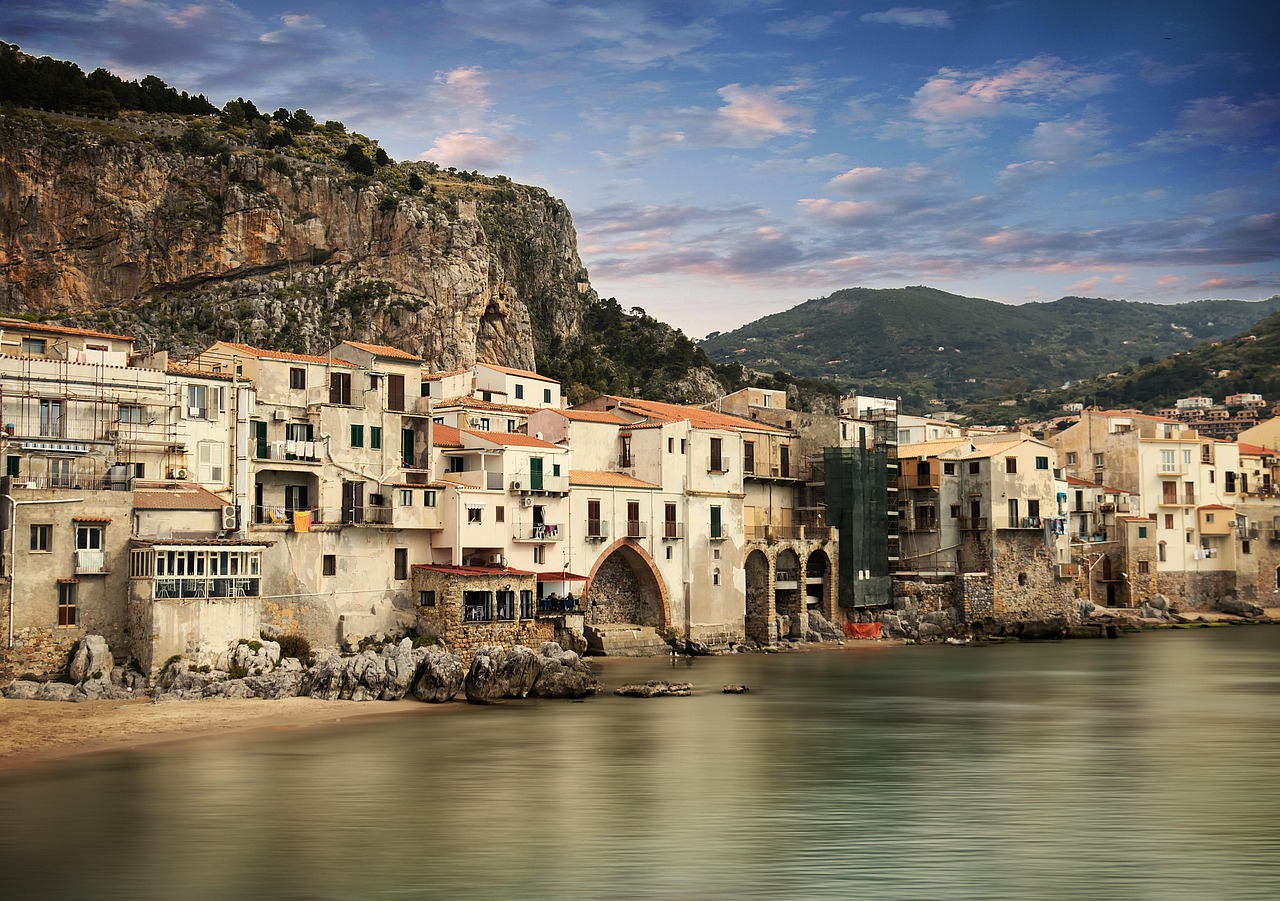
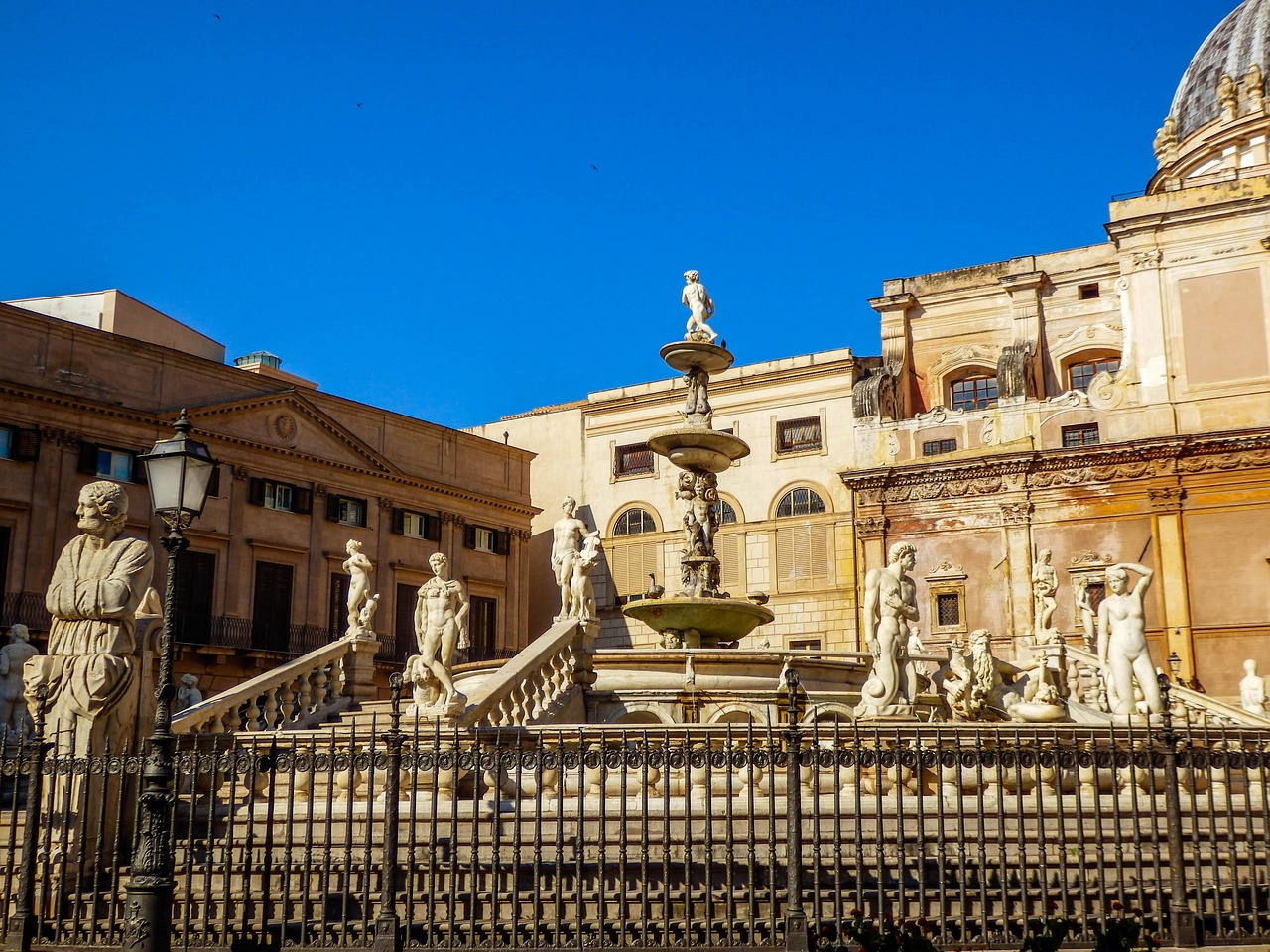
While the frittola itself is a feast for the palate, the surroundings in which it is served are equally captivating. The streets of Palermo boast a rich architectural heritage, showcasing styles that range from Norman to Baroque. Notable structures include the Palermo Cathedral, with its intricate façade, and the Palazzo dei Normanni, a symbol of the island's diverse influences.
Artistry spills into the culinary world as well, where the preparation of frittola can be considered a performance. The Frittolari, with their skilled hands, create a visual and sensory spectacle as they boil the offal, brown it in lard, and serve it in rustic baskets lined with dishcloths. This connection between food and artistry is a defining characteristic of Sicilian culture.
Local Culture and Traditions
Eating frittola is not merely a gastronomic experience; it’s intertwined with the everyday life and traditions of Palermo. Local customs often revolve around communal eating and the sharing of food, reflecting the Sicilian ethos of family and togetherness. Festivals such as Festa di Santa Rosalia celebrate the patron saint of Palermo with vibrant processions and, of course, an abundance of local delicacies including frittola.
Moreover, frittola embodies the Sicilian spirit of improvisation; it’s often enjoyed on the go, wrapped in greaseproof paper or served in a soft sandwich. This casual approach to dining highlights the island’s preference for simplicity and authenticity over pretension.
Gastronomy
Beyond frittola, Palermo offers a smorgasbord of culinary delights. Arancini, fried rice balls stuffed with various fillings, and panelle, chickpea fritters, are must-tries for those exploring the vibrant street food scene. Pair these with a refreshing glass of Cattaratto, a local white wine, or a classic Sicilian cannoli for dessert, and you’ll experience the full flavor palette of the region.
While frittola may steal the spotlight, the culinary landscape of Palermo is rich and varied, reflecting the island’s agricultural bounty and historical influences. Seasonal ingredients play a vital role, with fresh fish, vegetables, and citrus fruits often taking center stage in local dishes.
Lesser-known Curiosities
For the curious traveler, Palermo holds many hidden gems. Did you know that frittola is often a topic of friendly debate among locals, with each vendor claiming to offer the best version? This spirited rivalry adds to the charm of the dish and the community surrounding it.
Additionally, the act of eating frittola has become a ritual in itself. Locals often gather around their favorite street vendor, sharing stories and laughter as they indulge in this hearty treat. The social aspect of food in Sicily is a vital thread in the island's cultural fabric, where shared meals foster connections and camaraderie.
Practical Visitor Information
The best time to visit Palermo is during the spring and fall when the weather is mild, and the city is less crowded. A stroll through the historic markets like Mercato di Ballarò or Mercato del Capo during these seasons offers an authentic taste of daily life, with vendors showcasing their fresh produce and local specialties.
When seeking frittola, head to the bustling streets around Via Maqueda, where the Frittolari set up shop. Be prepared for a sensory overload of sights, sounds, and flavors as you navigate through the lively atmosphere. It's advisable to arrive early, as the best vendors often sell out quickly.
For those looking to dive deeper into the culinary landscape of Palermo, consider using the Secret World app to create a personalized itinerary that ensures you don’t miss a single savory bite.
