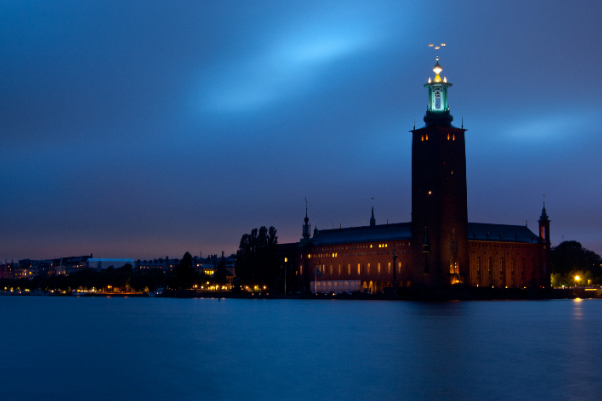
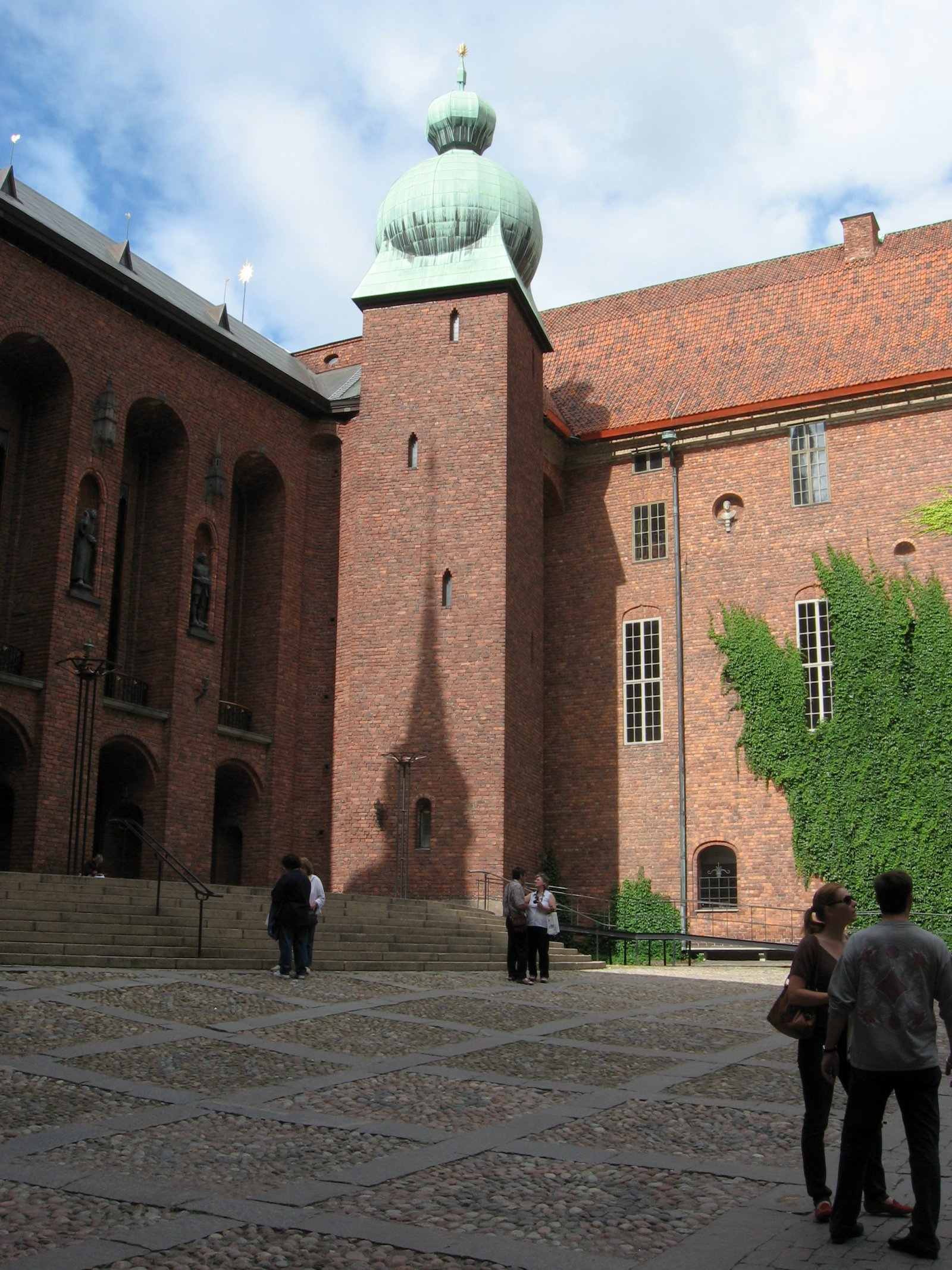

As you approach the Stoccolma Town Hall, or Stadshuset as it is known in Swedish, you are met with a breathtaking sight that beautifully encapsulates the spirit of Stockholm. This architectural landmark, begun in 1911 and completed in 1923, stands proudly on the edge of Lake Mälaren, its majestic towers reaching for the sky and its intricate details whispering stories of the past.
### History and Origins
The Stadshuset was designed by the renowned Ragnar Östberg, who envisioned a building that would represent the democratic values of the city. The need for a new town hall arose in the early 20th century, as Stockholm was expanding rapidly and required a central hub for municipal activities. The ambitious project was financed through a mix of public funds and private donations, reflecting the community’s investment in its civic identity.
A significant historical event took place here in 1901 when the Nobel Prize was established. Though the banquet wasn't held at Stadshuset until 1930, the building has since become synonymous with the prestigious awards ceremony. Each year, the Blue Hall, which is ironically red, transforms into a grand banquet space where the world’s most brilliant minds gather to celebrate achievements in science, literature, and peace.
### Art and Architecture
Stadshuset is a stunning example of National Romanticism, a style that blends traditional Scandinavian elements with innovative designs. The building's most iconic feature is its 106-meter high tower, crowned by three golden crowns, which pay homage to the Swedish coat of arms. Visitors can ascend the tower for an unparalleled panoramic view of Stockholm, a breathtaking sight that highlights the city’s unique archipelago and historic skyline.
Inside, the Blue Hall is where the magic truly happens. Adorned with over 18 million bricks, this space is a testament to Östberg’s artistic vision. Its stunning acoustics make it a favored venue for concerts and events, while the adjacent Golden Hall dazzles with over 23 million gold mosaics depicting the city’s history. These artworks are not just decorative; they narrate the story of Stockholm, from its Viking roots to its modern-day significance.
### Local Culture and Traditions
The culture surrounding Stadshuset is deeply intertwined with Stockholm’s identity. It is a venue for not just municipal functions but also for local festivities and celebrations. One of the most significant events is the Nobel Banquet, where the city’s elite and Nobel laureates come together in celebration.
In addition to formal events, the town hall also serves as a backdrop for traditional Swedish festivities such as Midsummer, where locals celebrate the summer solstice with flowers, dancing, and feasting on traditional foods. During winter, the festive season brings a magical atmosphere, with the town hall often decorated for the holidays.
### Gastronomy
No visit to Stadshuset would be complete without indulging in the local gastronomy. The town hall features a restaurant that offers traditional Swedish fare, showcasing dishes like herring, meatballs, and gravlax. Visitors can savor these delights while soaking in the stunning views of the waterfront.
The Nobel Banquet menu is another culinary highlight, featuring exquisite dishes crafted by top chefs. Each year, the menu changes, highlighting seasonal ingredients and Swedish culinary traditions. For a truly local experience, try kanelbullar (cinnamon buns) from nearby bakeries, a beloved staple in Swedish culture.
### Lesser-Known Curiosities
While the grandeur of Stadshuset is well-known, some hidden details often escape the notice of visitors. For instance, the building houses a replica of the Nobel Prize, a fascinating artifact that represents the spirit of innovation and achievement. Additionally, the Blue Hall's design cleverly incorporates a stage that can be entirely hidden from view when not in use, showcasing Östberg's meticulous planning.
Another curious fact is that the town hall’s construction employed a unique blend of materials, including brick from Sweden and granite from Öland, creating a harmonious yet striking aesthetic that tells a story of the nation’s natural resources.
### Practical Visitor Information
The best time to visit Stadshuset is during the warmer months, from May to September, when you can enjoy the beautiful gardens and the surrounding waterfront. Guided tours are available in multiple languages, offering deeper insights into the building’s history and architectural features.
When planning your visit, be sure to check the schedule for special events or concerts that may be taking place in the Blue Hall. Remember to wear comfortable shoes if you plan to climb the tower, as the views from the top are well worth the effort.
In conclusion, Stoccolma Town Hall is not merely a building; it is a symbol of the city's rich history and vibrant culture. From its stunning architecture to its role in local traditions, it offers an unforgettable experience for every visitor. To explore Stockholm in a personalized way, consider using the Secret World app to craft your unique itinerary.
