
← Back

Sulabh International Museum of Toilets

RZ-83, Sulabh Bhawan,, Palam Dabri Road, Mahavir Enclave, Sulabh International Social Service Organisation, Kali Nagar, Block R, Mahavir Enclave Part 1, Mahavir Enclave, New Delhi, Delhi 110045, India ★★★★☆ 914 views
Serena Taddei
New Delhi
🏆 AI Trip Planner 2026

Get the free app

Discover the best of New Delhi with Secret World — the AI trip planner with 1M+ destinations. Get personalized itineraries, hidden gems and local tips. Free on iOS & Android.

🧠 AI Itineraries 🎒 Trip Toolkit 🎮 KnowWhere Game 🎧 Audio Guides 📹 Videos
Download on the App Store Get it on Google Play
Scan to download Scan to download
Sulabh International Museum of Toilets - New Delhi | Secret World Trip Planner

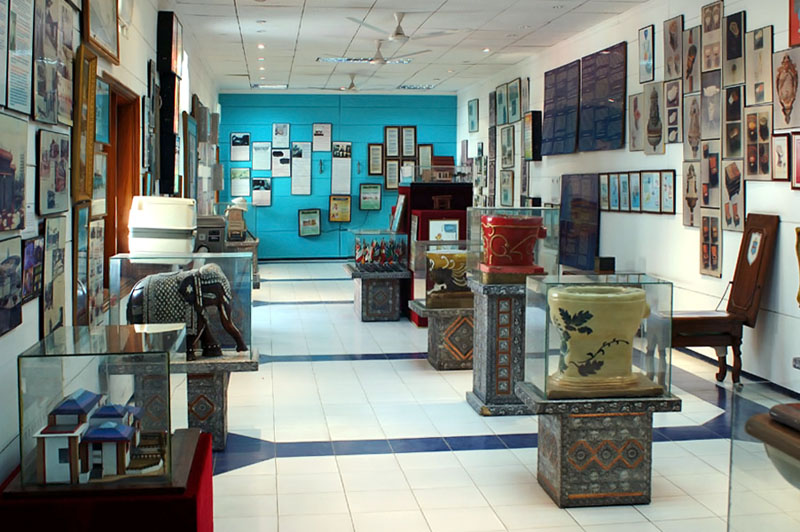
In the bustling heart of New Delhi, the Sulabh International Museum of Toilets offers a fascinating exploration of humanity’s relationship with sanitation. Founded in 1992 by Dr. Bindeshwar Pathak, a renowned sanitation expert and social reformer, this one-of-a-kind museum aims to highlight the importance of hygiene and sanitation across different cultures and epochs. The museum is uniquely divided into three sections: ancient, medieval, and modern, each showcasing the evolution of toilets through time.

### History and Origins

The journey of sanitation can be traced back to ancient civilizations, and the museum begins with a captivating ancient section. Here, visitors can marvel at replicas and artifacts that date back to 3000 BC, showcasing the first manmade toilets discovered in the region that is now Pakistan. These early designs illustrate how critical sanitation has been to human health and societal development.

Dr. Bindeshwar Pathak, who founded the museum, has been a pivotal figure in advocating for sanitation reform in India. His work began in the 1970s and has transformed the lives of countless people, particularly those in marginalized communities. The museum not only serves as a repository of information but also as a platform for raising awareness about the sanitation crisis in India and around the world.

### Art and Architecture

Architecturally, the Sulabh International Museum of Toilets is a modern structure that contrasts sharply with the traditional buildings surrounding it. The museum's layout is designed to facilitate an engaging educational experience. The medieval section is particularly striking, featuring hand-painted ornate Austrian toilet bowls that reflect the artistic craftsmanship of their time. Each piece tells a story, showcasing the intricate designs that were once considered symbols of status and luxury.

The modern section is a stark contrast, filled with hi-tech toilets from Japan and Korea that feature advanced functionalities like heated seats and integrated bidets. A highlight here is a replica of the world’s largest toilet complex, located in Maharashtra, which is a testament to India's ongoing efforts to improve sanitation facilities.

### Local Culture and Traditions

In a country where cleanliness and hygiene are deeply intertwined with culture, the Sulabh International Museum of Toilets serves as a reminder of the significance of these aspects in everyday life. Local customs often revolve around cleanliness, especially during festivals such as Diwali, where the concept of cleanliness is paramount. People clean their homes and surroundings, signifying a fresh start and welcoming of prosperity.

The museum plays a vital role in educating visitors about the cultural importance of sanitation, emphasizing that it is not just a matter of hygiene but also of dignity and respect. Visitors often leave with a deeper understanding of how sanitation practices vary across cultures and their impact on societal health.

### Gastronomy

While the museum focuses on sanitation, the surrounding area of New Delhi is a gastronomic delight. Nearby, one can indulge in local favorites such as chole bhature (spiced chickpeas served with deep-fried bread), parathas (stuffed flatbreads), and the ever-popular jalebi for dessert. Each bite reflects the rich culinary heritage of India, where food is celebrated at festivals and gatherings.

Additionally, if you’re looking for a refreshing drink, try a lassi, a yogurt-based beverage that’s both cooling and delicious, especially in the warm climate of New Delhi.

### Lesser-known Curiosities

One of the most surprising aspects of the Sulabh International Museum of Toilets is its collection of toilet humor memorabilia, which provides a lighter side to the serious subject of sanitation. Visitors might also be intrigued to learn that the museum houses a variety of toilets from around the world, including a toilet from the ancient Roman Empire and even a toilet bowl made of gold!

Moreover, the museum conducts educational workshops and seminars, making it a living space for dialogue around the importance of sanitation in public health. This interactive approach often surprises visitors who expect merely a static exhibition.

### Practical Visitor Information

The best time to visit the Sulabh International Museum of Toilets is during the cooler months, from October to March, when the weather is pleasant. The museum is open from 10 AM to 6 PM on all days except major holidays.

When planning your visit, consider taking an audio guide to enrich your experience. Look out for unique exhibits that might be easily missed, such as the toilet of the future, which explores innovations in sanitation technology.

In conclusion, the Sulabh International Museum of Toilets is a unique and enlightening destination that challenges perceptions and encourages a conversation about hygiene and dignity. As you explore this remarkable museum, consider using the Secret World app to plan your personalized AI itinerary for discovering more of what New Delhi has to offer.

🗺 AI Trip Planner

Plan your visit to New Delhi

Suggested itinerary near Sulabh International Museum of Toilets

MAJ+
500.000+ travelers worldwide
  1. 🌅
    Morning
    Sulabh International Museum of Toilets
    📍 New Delhi
  2. ☀️
    Afternoon
    Rashtrapati Bhavan: residence of the President of India
    📍 11.7 km da New Delhi
  3. 🌆
    Evening
    Hauz Khas Village
    📍 12.1 km da New Delhi

Buy Unique Travel Experiences

Powered by Viator

See more on Viator.com

Explore nearby · New Delhi
