
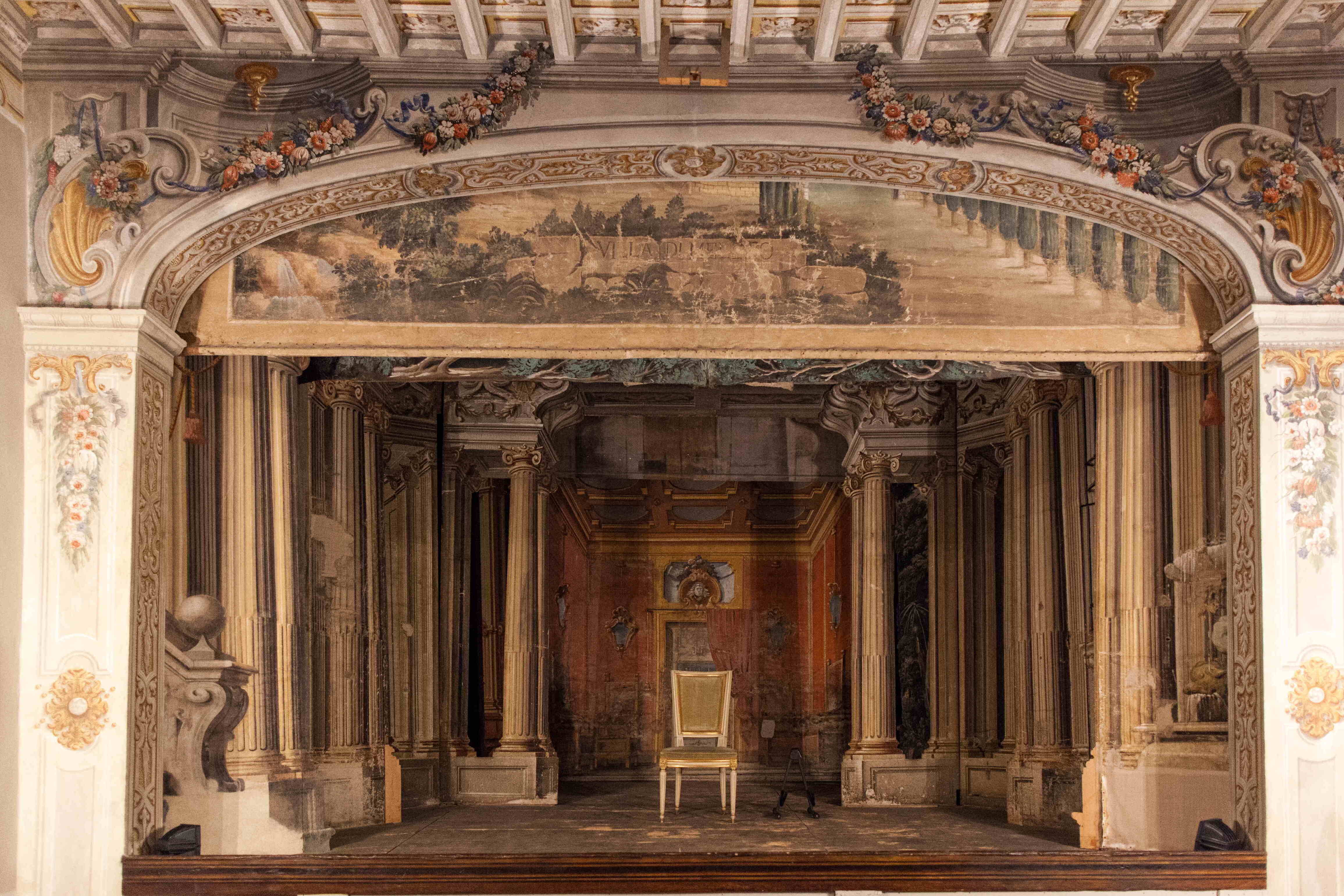

Nestled in the picturesque hills of Gaiole In Chianti, the Teatrino del Castello di Meleto is a hidden gem that whispers tales of history and artistry from the heart of Tuscany. This enchanting rococo theatre, with its romantic and slightly decadent charm, is a testament to the rich cultural tapestry of the region, offering a unique glimpse into the past.
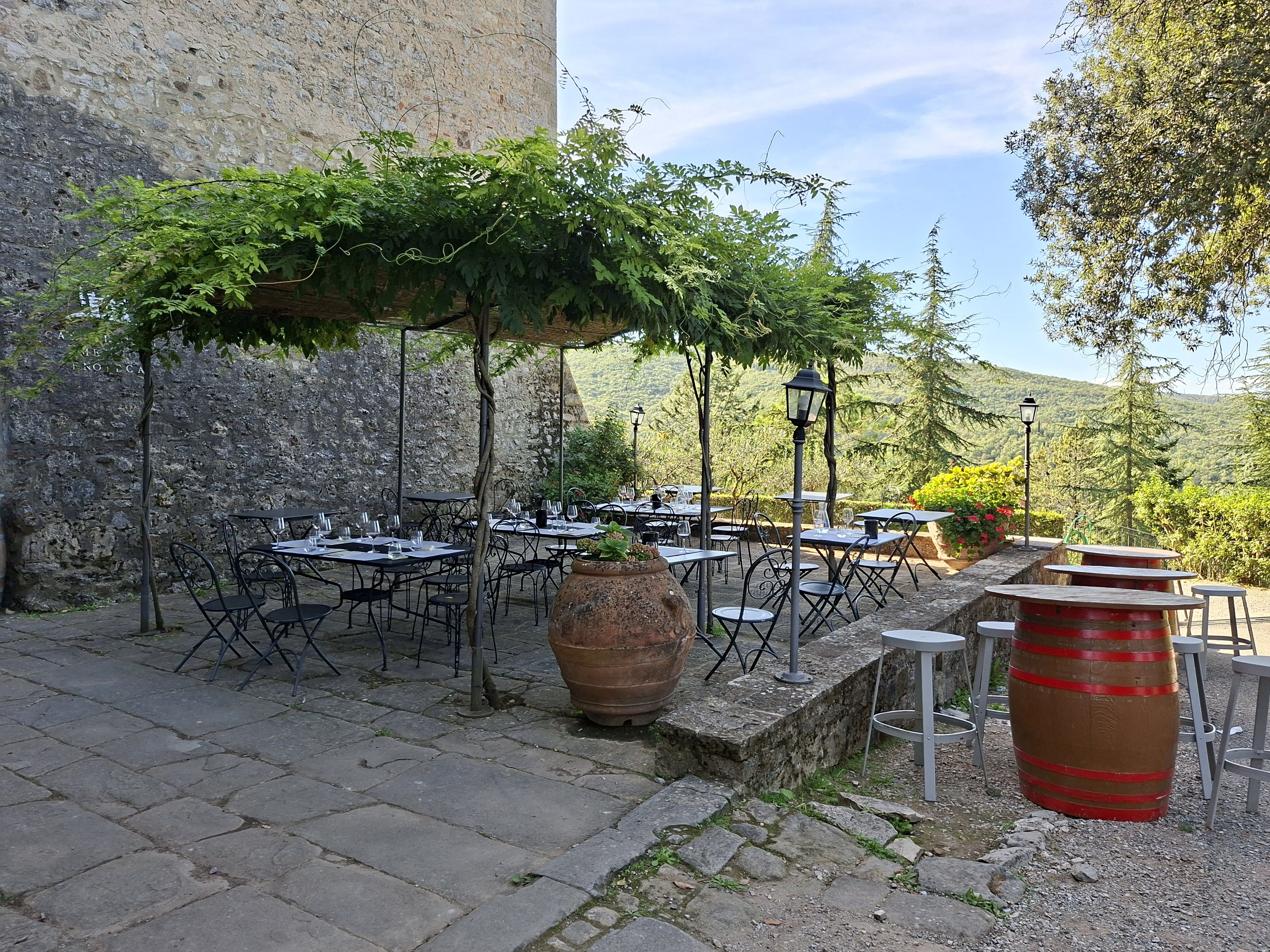
The origins of the Castello di Meleto date back to the 11th century when it served as a strategic fortress during the medieval conflicts between Florence and Siena. Over the centuries, the castle evolved from a military bastion into a noble residence, reflecting the prosperity and influence of its owners, the Ricasoli family. The theatre itself was constructed in the 18th century, a period when the arts flourished, and the cultural elite sought to bring refined entertainment to the countryside.
Architecturally, the Teatrino del Castello di Meleto is a diminutive marvel. Its intimate space is adorned with a proscenium arch intricately decorated with shell motifs and floral garlands, embodying the elegance of rococo design. The theatre’s highlight is undoubtedly its original stage curtain, a painted masterpiece that depicts the castle in its pastoral setting. Complementing this are seven painted fabric scenes that create a trompe-l’oeil effect, transporting viewers into a world of fantastical landscapes and opulent interiors.
In the context of local culture, the theatre plays a significant role in preserving the artistic heritage of Chianti. Though small, it has hosted numerous performances and events that celebrate the region's traditions and artistic pursuits. The theatre becomes a focal point during local festivals, such as the Festa di San Lorenzo, where it echoes with the sounds of music and laughter, drawing both locals and visitors to experience the communal spirit of this charming Tuscan village.
The gastronomic delights of Gaiole In Chianti are as rich and varied as its history. The region is famed for its robust Chianti Classico wine, a perfect accompaniment to the area's hearty cuisine. Visitors to the castle can indulge in traditional dishes such as pici cacio e pepe, a simple yet flavorful pasta dish, or ribollita, a hearty soup made with bread and seasonal vegetables. These culinary offerings are often enjoyed in the shadow of the castle, where the landscape provides a stunning backdrop to a delightful meal.
Beyond its obvious beauty and historical significance, the Teatrino holds a few lesser-known curiosities that intrigue the discerning traveler. Beneath its stage lies a hidden trapdoor, once used for dramatic entrances and exits, adding an element of mystery to its performances. Additionally, the theatre's acoustics are remarkably advanced for its time, a testament to the ingenuity of its designers who anticipated the need for clear sound in such an intimate setting.
For those planning a visit, the best time to explore the Teatrino del Castello di Meleto is during the spring or fall when the Tuscan landscape is at its most vibrant, and the weather is pleasantly mild. Visitors should allocate time to wander the castle grounds, where panoramic views of the Chianti countryside await. A tip for the curious: look closely at the painted scenes and decorative motifs, as they often reveal hidden symbols and stories linked to the castle's storied past.
In conclusion, the Teatrino del Castello di Meleto is more than just a historical site; it's a living repository of art, culture, and tradition. Whether you're an art aficionado, a history buff, or simply a traveler seeking the authentic charm of Tuscany, this little theatre offers an unforgettable journey through time and creativity.


