



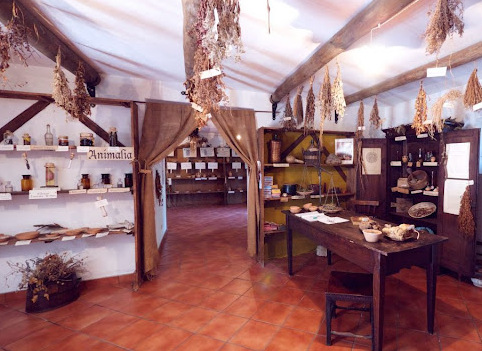
Tucked away in the quaint alleys of Teggiano, the Museum of Herbs offers a fascinating glimpse into the past with its rich tapestry of medicinal history. Nestled in the heart of the Campania region, Teggiano itself is a town of immense historical significance, known for its medieval charm and well-preserved architecture. The museum, located on the ground floor of a historic building in the old town, invites visitors to journey through centuries of herbal medicine, showcasing the traditional uses of plants and animals in healing practices from the medieval era to modern times.
The museum's origin story is deeply tied to Teggiano's past. Once known as Diano, the town was a strategic stronghold in the Middle Ages, playing a pivotal role in the region's history. The museum reflects this rich history, as it was established to preserve and celebrate the ancient knowledge of herbal medicine that was integral to the community's survival and health. Important figures like Saint Cono of Teggiano, the town's patron saint, are often associated with the region's historical narrative, adding layers of cultural depth to the experience.
The architecture of the museum harmonizes beautifully with the surrounding medieval structures. Built with local stone, the museum maintains a rustic charm, featuring arched doorways and wooden beams that speak to its historical roots. The exhibition area is carefully curated, with herbs displayed in traditional wooden cabinets, offering a visual delight that complements the tactile learning experience. The museum's setting itself is a work of art, inviting visitors to explore the seamless blend of nature and history.
Teggiano is a town rich in local culture and traditions. The annual Assumption of the Virgin Mary festival, held every August, is a vibrant celebration that sees the town come alive with processions, music, and traditional costumes. This festival, deeply rooted in religious and cultural heritage, provides a perfect backdrop for understanding the local customs and the historical significance of herbal medicine in religious practices.
When it comes to gastronomy, Teggiano offers a taste of the authentic flavors of Campania. Local delicacies such as fusilli alla cilentana—a pasta dish with a rich tomato sauce, and soppressata di Gioi, a type of cured sausage, reflect the region's culinary traditions. These dishes often incorporate herbs common in the museum's exhibits, such as rosemary and wild fennel, providing a sensory connection to the herbal history explored within the museum.
Among the lesser-known curiosities of the museum is the inclusion of certain animal-derived substances used historically in medicine. Items such as musk and ambergris highlight the fascinating and sometimes surprising components of medieval pharmacopoeia, offering insights that many visitors might overlook. Additionally, the museum houses an impressive collection of historic manuscripts and ancient recipes, revealing the sophisticated understanding of botany and healing possessed by past generations.
For those planning to visit, the best time is during the spring or early autumn when the weather is mild, and the town is less crowded. It's advisable to spend time with the expert guides available, who can provide deeper insights into each exhibit. Don't miss the opportunity to explore the surrounding historical sites of Teggiano, including the Castello Macchiaroli and the Cathedral of Santa Maria Maggiore, both of which enhance the historical context of your visit.
To explore Teggiano and its hidden treasures, plan a personalized itinerary with the Secret World app.
