
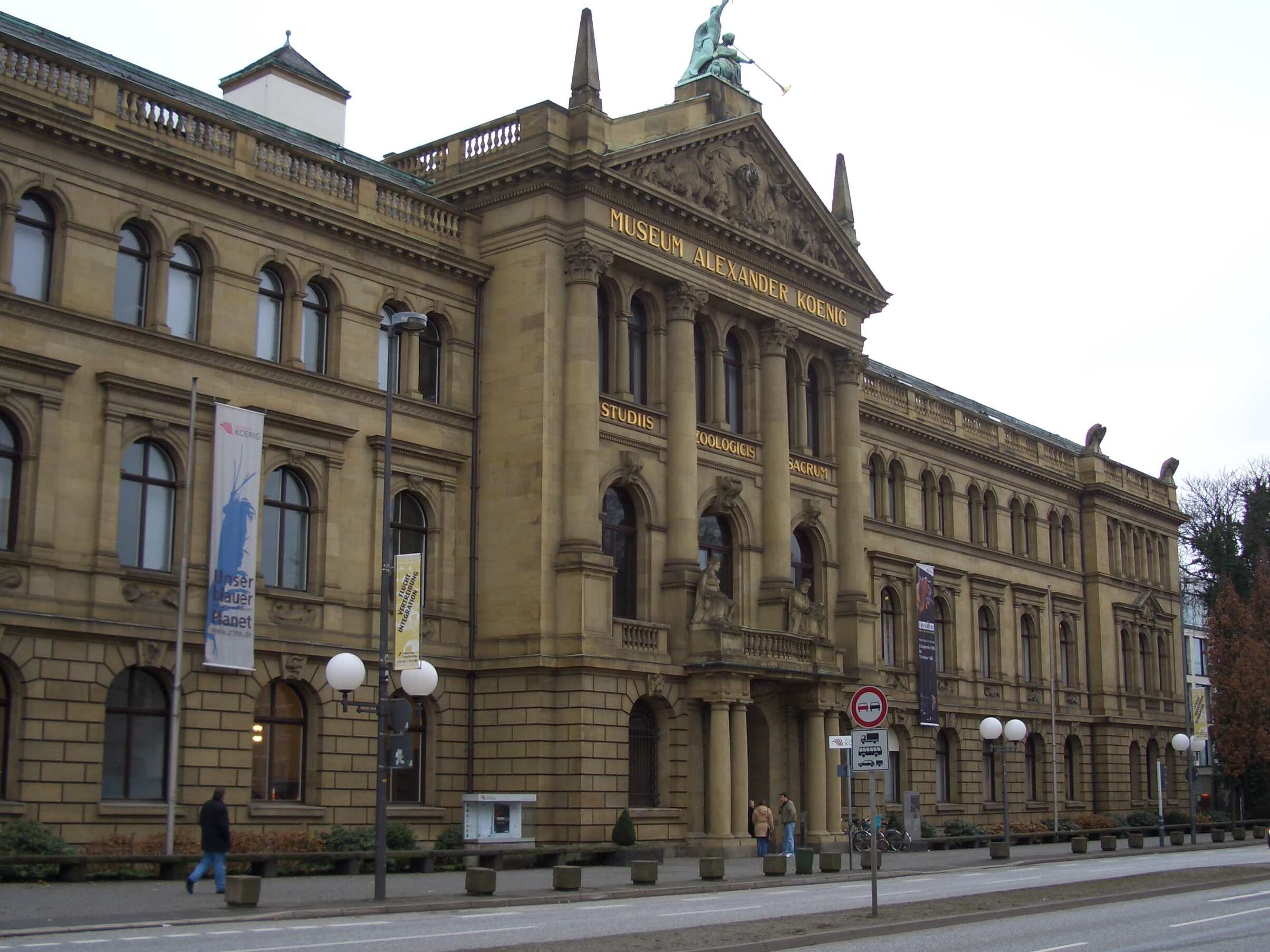

Nestled in the heart of Bonn, Germany, the Alexander Koenig Research Museum stands as a testament to both the marvels of the natural world and the intellectual curiosity of its namesake. Founded in 1934, this museum is not only a repository of the rich and diverse zoological specimens but also a thriving hub for research and education, thanks to its affiliation with the prestigious University of Bonn.
The museum's origins are intimately tied to the life of Alexander Koenig, a renowned zoologist whose passion for natural history led him to amass a significant collection of specimens. In a generous act of scholarship, Koenig donated his extensive collection to establish the museum, envisioning a center for knowledge and exploration. The museum's official opening coincided with a pivotal moment in German history, as it was inaugurated just as Bonn was emerging from the shadows of the post-World War I era.
Architecturally, the museum is a striking example of neoclassical design, a style characterized by grandiose facades and symmetrical forms, offering a visual homage to the grandeur of ancient Roman and Greek architecture. The building itself is a piece of art, with its imposing columns and intricate detailing drawing visitors into a world where science and art intersect. Inside, the museum houses a variety of permanent and temporary exhibitions, each designed to engage and educate visitors about the wonders of the natural world.
Bonn, the former capital of West Germany, is a city rich in cultural traditions, with a vibrant calendar of events that reflect its historical and contemporary significance. Visitors to Bonn can immerse themselves in local customs, especially during the annual Karneval in February, a lively celebration marked by parades, music, and colorful costumes. This event, deeply rooted in Rhineland culture, offers a glimpse into the spirited and communal nature of the local populace.
When it comes to gastronomy, Bonn is a city that delights the palate with traditional Rhineland dishes. Visitors should not miss tasting the local specialty, Rheinischer Sauerbraten, a marinated pot roast served with a rich gravy, and pair it with a glass of Kölsch, a light, crisp beer native to the region. For dessert, Rheinischer Rievkooche (potato pancakes) offer a comforting taste of local culinary flair.
Beyond its exhibits and cultural offerings, the Alexander Koenig Museum holds several lesser-known curiosities. One intriguing story is that of its role during the immediate post-World War II period, when the museum served briefly as the seat of the Parliamentary Council, which drafted the German Basic Law. This historical footnote underscores the museum's significance beyond its scientific contributions.
For visitors planning a trip, the best time to visit is during the spring and autumn months when Bonn's weather is mild and its landscapes are particularly picturesque. To make the most of your visit, consider joining a guided tour to gain deeper insights into the museum’s collections and history. Be sure to explore the museum’s interactive exhibits, which are perfect for engaging young minds and seasoned naturalists alike.
For a truly personalized experience in Bonn, consider using the Secret World app to plan a tailored itinerary that captures the essence of this fascinating city.


