
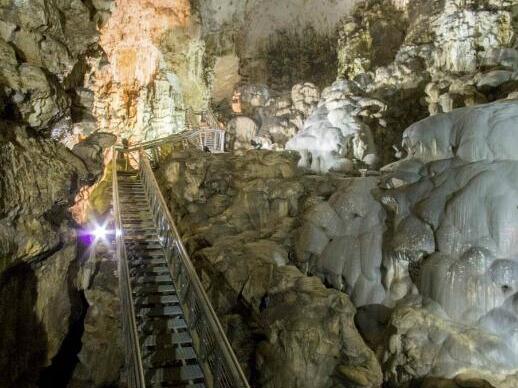

Nestled in the heart of Umbria, the Cave of Monte Cucco is a hidden marvel that invites adventurers and nature lovers alike to explore its enchanting depths. Stretching over 30 kilometers and plunging nearly 1000 meters into the earth, this magnificent hypogeal system is not only one of the most significant in Europe, but it also offers a unique glimpse into the natural forces that shape our world.
The history of Monte Cucco is steeped in legends that date back to ancient times. The cave has been known since at least the 16th century, when it was first documented by the local scholar and naturalist Pietro Ciriaco. Over the centuries, it has captured the imagination of explorers and scientists, becoming a focal point for speleology—the study of caves. Its complex formations and geological significance have made it a site of extensive research, attracting scientists from around the globe to study its unique ecosystems and mineral compositions.
Art and architecture in Monte Cucco may not be what one typically considers; however, the cave itself is a living gallery of natural sculptures. The limestone formations have been meticulously carved by water over millennia, resulting in stunning stalactites and stalagmites that seem to dance in the dim light. These formations create an ethereal atmosphere, where visitors can witness the artistry of nature firsthand. The cave’s interior offers a surreal beauty, with walls shimmering in hues of white and gray, reminiscent of an artist’s palette.
As one emerges from the depths of the cave, they are greeted by the rich local culture of Costacciaro. This quaint town is steeped in traditions that reflect the region's agrarian roots. The Feast of San Giovanni, celebrated on June 24, is one such event that showcases local customs. During this festival, the streets come alive with music, food stalls, and traditional dances, allowing visitors to immerse themselves in the vibrant spirit of the community. The local inhabitants take pride in their heritage, often sharing tales of the cave’s legends and the mystical beings said to inhabit its shadows.
When it comes to gastronomy, Costacciaro offers a delightful array of local delicacies that are a feast for the senses. The region is particularly known for its truffles, which grow abundantly in the surrounding woods. Dishes like Tagliatelle al Tartufo—fresh pasta tossed with truffle shavings—are a must-try. Additionally, the town hosts the Sagra del Tartufo in the fall, a festival dedicated to celebrating this culinary treasure. Visitors can also savor some of the local wines, particularly Sangiovese, which perfectly complements the rustic flavors of Umbrian cuisine.
For those seeking a deeper connection with the region, there are a few lesser-known curiosities about Monte Cucco that are simply captivating. The cave is home to a unique ecosystem, where rare species of bats find refuge, highlighting its importance as a biodiversity hotspot. Furthermore, local folklore speaks of the “Cave of the Fairies,” where it’s believed that ethereal beings dwell, adding a layer of mystery to the already enchanting environment. For thrill-seekers, the cave also offers opportunities for canyoning and rock climbing, making it a playground for outdoor enthusiasts.
The best time to visit the Cave of Monte Cucco is during the warmer months, from late spring to early autumn, when the weather is conducive to outdoor activities. Guided tours allow visitors to traverse the first 800 meters of the cave, providing a safe and informative experience. It’s advisable to wear comfortable shoes and bring a light jacket, as the temperature inside can be significantly cooler than outside. Be sure to look for the Pulpito, a natural viewpoint offering breathtaking views of the surrounding landscape.
In conclusion, the Cave of Monte Cucco is not just a geological wonder; it is a tapestry woven with history, culture, and natural beauty. As you plan your visit, consider using the Secret World app to create a personalized itinerary that will help you discover all the hidden gems of Costacciaro.


