



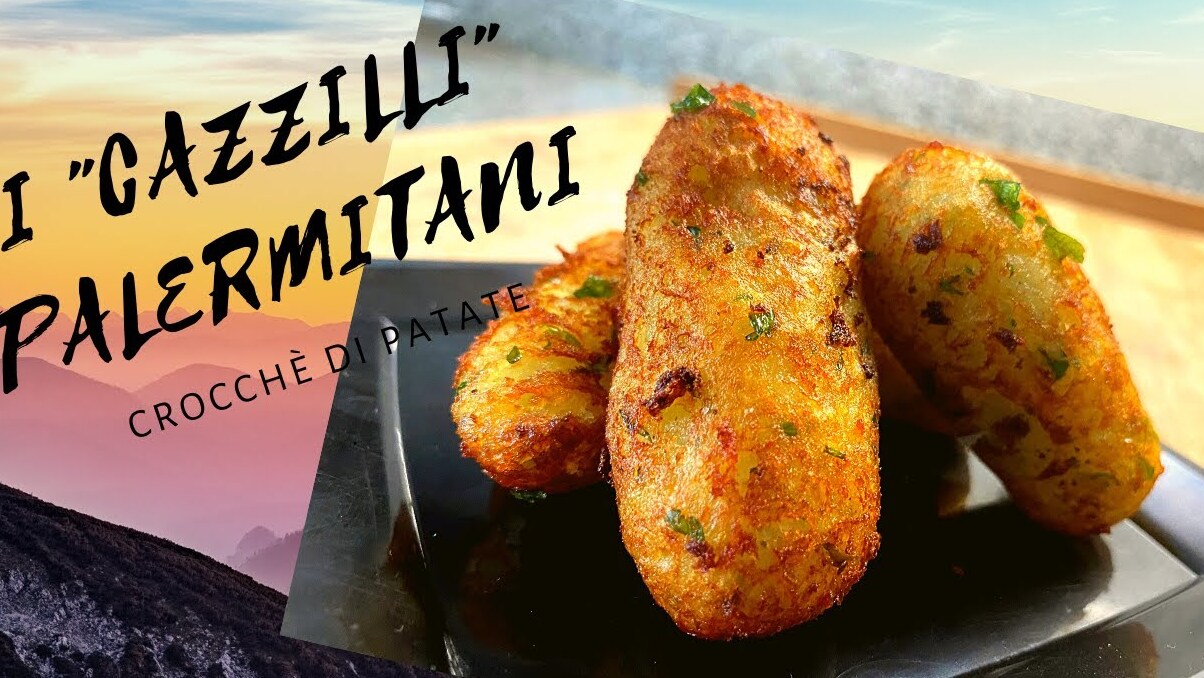
Nestled in the bustling streets of Palermo, the crocché palermitane are more than just a savory treat; they are a delicious embodiment of the city's rich culinary heritage. These delectable potato croquettes, traditionally made without eggs, are a staple of Palermo's vibrant street food scene. Often found nestled within a fluffy mafalde—a classic soft bread that perfectly complements their crispy exterior—crocché are often paired with panelle, savory fritters made from chickpea flour. This trio of flavors forms the quintessential street food experience in Palermo, a city where culinary traditions are steeped in history and cultural significance.
History and Origins
The origins of crocché can be traced back to the culinary influences of Arab rule in Sicily during the 9th to 11th centuries. The Arabs introduced various agricultural practices and foods that would shape Sicilian cuisine, including the potato, which was later brought to Sicily from the Americas in the 17th century. The crocché evolved as a way for locals to create a filling and affordable dish using the starchy tubers that thrived in the Sicilian soil. The absence of eggs in the traditional recipe reflects both the simplicity and accessibility of local ingredients, catering to a diverse population.
Over the centuries, crocché have become a beloved part of Palermo's cultural identity. They are often enjoyed during informal gatherings and celebrations, making them a symbol of friendship and community. The tradition of frying these golden morsels persists today, with numerous family-run stands and eateries serving up their own versions, each with a unique twist.
Art and Architecture
While crocché palermitane tantalize the taste buds, the artistic backdrop of Palermo enchants the senses. The city's architecture is a stunning blend of Norman, Baroque, and Arab influences, with treasures such as the Palermo Cathedral and the Teatro Massimo standing as testaments to its rich history. The intricate mosaics found in the Palatine Chapel speak to the artistic prowess that flourished during Sicily's golden age.
Palermo also boasts numerous street art pieces that reflect both the struggles and vibrancy of local culture. Artists have transformed neglected spaces into canvases, telling stories of the city's past while celebrating its lively present. This dynamic interplay between history and modern expression mirrors the evolution of traditional dishes like crocché, which adapt while remaining rooted in their origins.
Local Culture and Traditions
In Palermo, food is a cornerstone of cultural expression, with customs deeply intertwined with culinary practices. Festivals like the Festa di Santa Rosalia, held every July, showcase the city’s devotion through vibrant processions, music, and, of course, food. Street vendors dish out panelle, arancini, and crocché during the festivities, inviting locals and tourists alike to join in the celebration.
Dining out in Palermo often involves more than just eating; it is a communal experience. Families gather at local friggitorie (fry shops) to enjoy freshly made crocché, sharing stories and laughter amid the sizzling sounds of frying. This sense of community is palpable in every corner of the city, where food serves as a bridge between generations.
Gastronomy
Palermo's gastronomic landscape extends far beyond crocché palermitane. The city is renowned for its street food, which includes dishes like arancini (stuffed rice balls), sfincione (Sicilian pizza), and cassatelle (sweet pastries). These offerings reflect the diverse cultural influences that have shaped Sicilian cuisine over centuries, creating a rich tapestry of flavors.
In addition to savory delights, Palermo is also home to a variety of local wines, with Nero d'Avola being a standout red that beautifully complements the bold flavors of Sicilian dishes. Enjoying a glass of this robust wine alongside crocché adds an extra layer of authenticity to the culinary experience.
Lesser-Known Curiosities
While many flock to the well-known sights of Palermo, the history of crocché includes lesser-known tales that add depth to their significance. For instance, in the past, these potato croquettes were often made from leftover potatoes, showcasing the resourcefulness of local cooks. Additionally, the preparation of crocché varies from family to family, with many guarding their secret recipes closely, resulting in unique flavor profiles that reflect personal and familial heritage.
Moreover, there’s a fascinating connection between crocché and the local dialect. In Palermo, the term “crocché” is derived from the Arabic word “kufé,” which means “to fry.” This linguistic link highlights the historical interplay between cultures that has influenced the city's culinary landscape.
Practical Visitor Information
The best time to visit Palermo is during the spring and fall months, when the weather is mild and the streets are alive with activity. Exploring the city at a leisurely pace allows you to discover hidden gems and immerse yourself in local life. Be sure to seek out small friggitorie, where you can indulge in freshly made crocché, served hot and crispy.
When venturing out to sample these delights, keep an eye out for the Crocché di Patate sign, indicating a vendor’s expertise in crafting this beloved local specialty. Pair your crocché with a refreshing glass of Coca-Cola or a local soft drink for a true Palermo experience.
In a city brimming with history, art, and culinary delights, the crocché palermitane serve as a flavorful gateway into Palermo's heart and soul. For a personalized exploration of this vibrant destination, consider using the Secret World app to plan your itinerary.
