

Nestled in the heart of Naples, the Girolamini Complex is a treasure trove of history, art, and cultural significance that beckons to all who venture through its grand entrance. Built between the late sixteenth and mid-seventeenth century, this magnificent structure has long been a beacon of intellectual pursuit and religious devotion in Italy.

The origins of the Girolamini Complex trace back to the followers of St. Philip Neri, who founded the Congregation of the Oratory. Initially gathering in the church of St. Jerome of Charity in Rome, they sought to create a similar sanctuary in Naples. The complex, located on Via Duomo and directly opposite the Cathedral of Naples, quickly became one of the city’s most prestigious cultural centers. Its establishment marked a significant moment in the religious and educational landscape of Naples, with the library opening its doors to the public in 1586, a rarity for monastic institutions of the time.
As you approach the complex, the Baroque architecture immediately captures your attention. The interplay of light and shadow on the façade, adorned with intricate frescoes and sculptures, speaks to the artistic fervor of the eighteenth century, when the complex was further enriched. Inside, visitors are greeted by the stunning Oratory, characterized by its grand altar and elaborate decorations. Notable artworks include Alessandro Siani's frescoes and Giovanni Battista Salvi da Sassoferrato's captivating works, which reflect the spiritual and artistic ideals of the period.
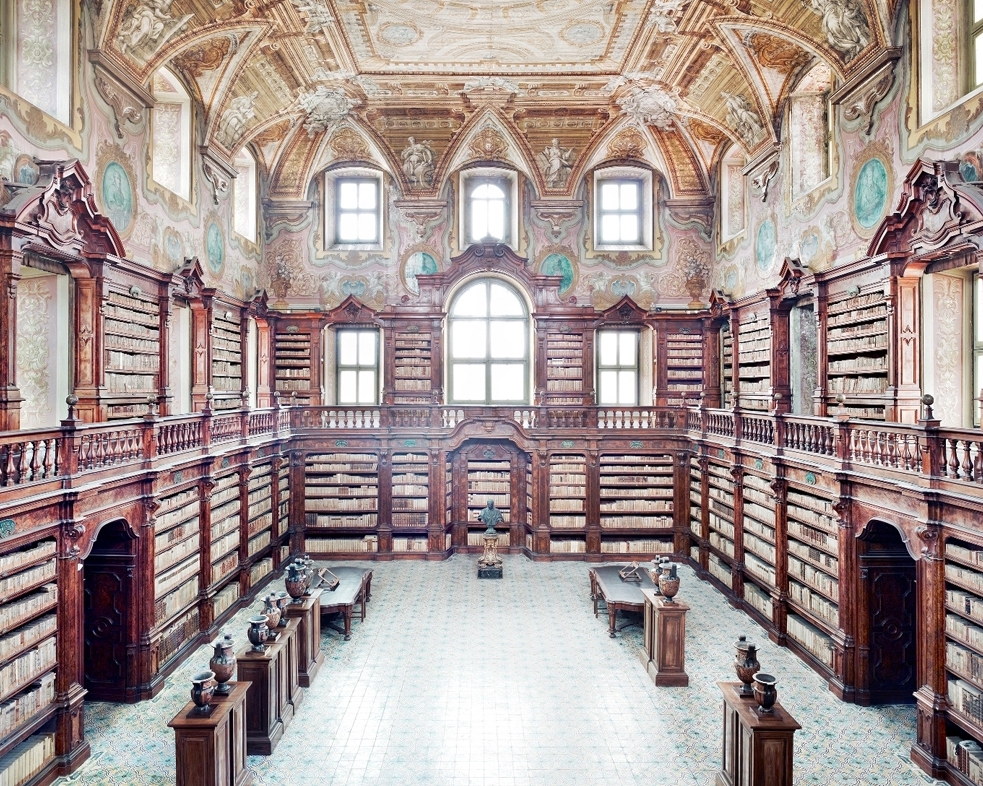
The heart of the Girolamini Complex is undoubtedly its extraordinary Library. One of the oldest in Naples, it houses a staggering collection of approximately 159,700 volumes and pamphlets. Here, great minds such as Giuseppe Valletta and the renowned philosopher Giambattista Vico engaged in scholarly pursuits. The library specializes in Christian theology, philosophy, and the history of the Church in Europe, making it an invaluable resource for anyone interested in these subjects. Among its treasures are 137 musical prints, 5,000 editions from the sixteenth century, 120 incunabula, and over 10,000 rare editions—a bibliophile's dream.
As you explore the complex, you will also encounter local customs and traditions that enrich the experience. Naples is known for its vibrant festivals, and the Girolamini Complex often serves as a backdrop for cultural events, including lectures and musical performances. The Feast of St. Philip Neri in May is particularly special, where the faithful gather to celebrate with processions and communal gatherings, reflecting the enduring influence of the Oratorian community.
No visit to Naples would be complete without indulging in its gastronomy. The nearby streets are lined with pizzerias and eateries offering the city’s iconic Neapolitan pizza, renowned for its soft, chewy crust and fresh ingredients. Be sure to try pizza Margherita, a simple yet delicious combination of tomatoes, mozzarella, and basil, representing the colors of the Italian flag. Pair your meal with a glass of Limoncello, a zesty lemon liqueur, or the local Aglianico wine, which beautifully complements the rich flavors of Neapolitan cuisine.
While the Girolamini Complex is celebrated for its monumental library and architectural beauty, there are lesser-known curiosities that add to its allure. For instance, the library’s unique decision to open its doors to the public in 1586 was quite groundbreaking, as most contemporary libraries were reserved for monastic use. Additionally, hidden within its collection are rare manuscripts and texts that reveal the evolution of thought and culture in Europe, offering a glimpse into a time when Naples was a hub of intellectual activity.
For those planning a visit, the best time to explore the Girolamini Complex is during the spring and early fall when the weather is mild and conducive to leisurely walks around the city. Be sure to arrive early to avoid crowds, allowing ample time to absorb the historical atmosphere and perhaps join a guided tour to deepen your understanding of its rich heritage. Don't miss the opportunity to admire the stunning frescoes and unique architectural details that adorn this remarkable site.
In a city where history and modern life intertwine, the Girolamini Complex stands as a testament to Naples' enduring cultural legacy. Every corner whispers stories of the past, inviting you to linger and reflect on the profound impact of this artistic and intellectual haven. For a personalized journey through Napoli’s wonders, consider using the Secret World app to craft your ideal itinerary.


