
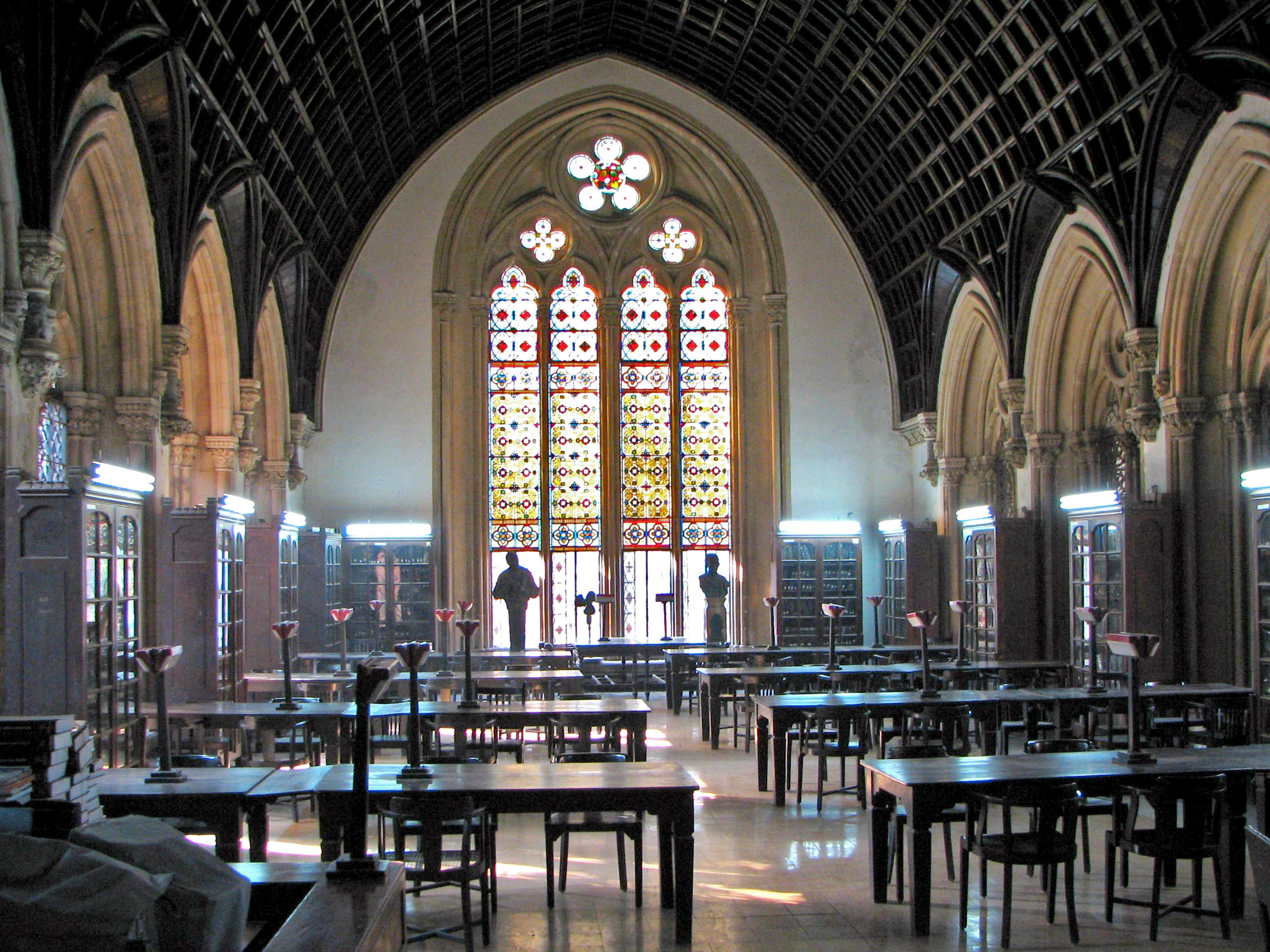

Tucked away in the bustling heart of Mumbai, the University Library stands as a testament to the city’s rich cultural and intellectual legacy. A haven for scholars and a marvel for architecture enthusiasts, this library is not just a repository of books but a vibrant tapestry of history, art, and culture.
The origins of the University Library can be traced back to the establishment of the University of Mumbai in 1857, a pivotal moment inspired by the need for higher education during British colonial rule. The library itself was inaugurated in 1880, becoming a cornerstone for academic pursuits. The founding was driven by the vision of Sir Cowasjee Jehangir Readymoney, a prominent philanthropist of the time, whose contributions were instrumental in its creation. Over the years, the library has witnessed significant historical events, serving as a silent witness to India's struggle for independence and its post-colonial intellectual blossoming.
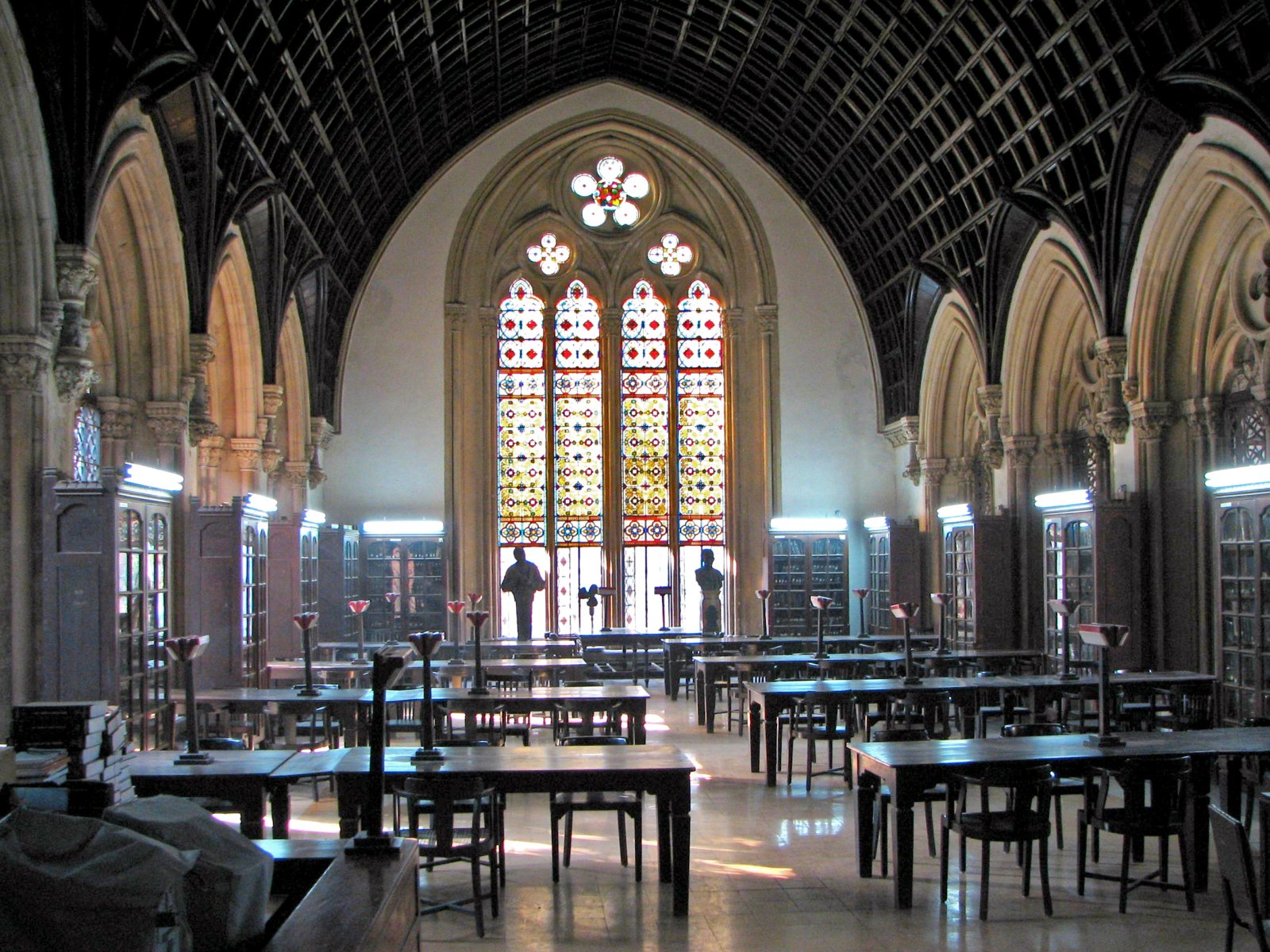
A masterpiece of Gothic Revival architecture, the library is an architectural gem. Its design, conceived by Sir George Gilbert Scott, reflects the grandeur of Victorian-era aesthetics. The stained glass windows, featuring a kaleidoscope of colors, filter the sunlight into mesmerizing patterns across the reading rooms, creating an atmosphere both serene and inspiring. The library's hypnotizing staircases, with their intricate ironwork and soaring arches, are a testament to 19th-century craftsmanship. Within its halls, one can find exquisite wooden paneling and vaulted ceilings that echo the whispers of a bygone era.
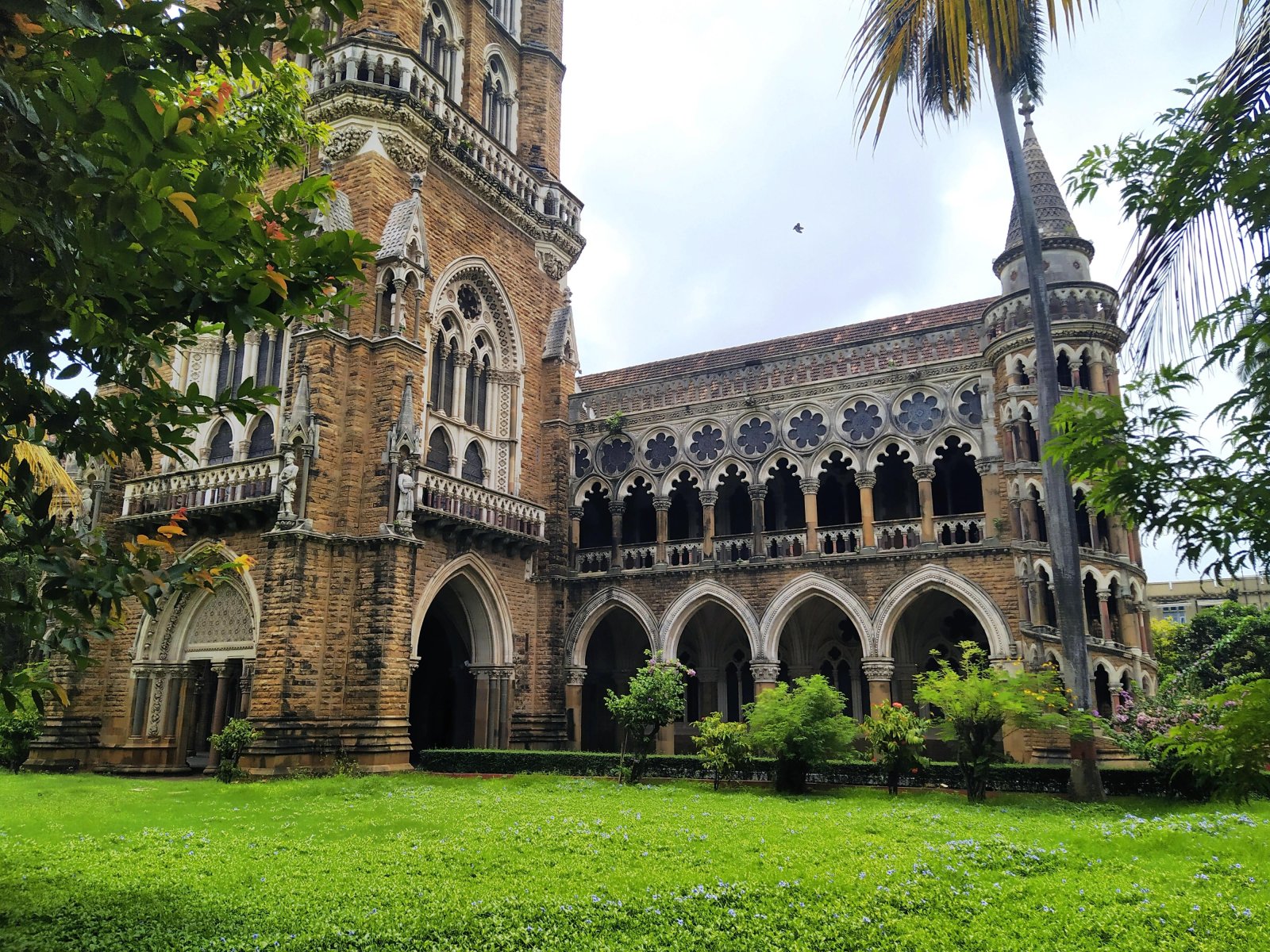
Beyond its architectural splendor, the library is deeply entwined with Mumbai's cultural tapestry. It serves as a venue for literary festivals and cultural events, drawing bibliophiles and artists alike. The library's role during Ganesh Chaturthi is particularly significant; it often hosts lectures and discussions that delve into the festival's history and its impact on regional culture. The library's vibrant atmosphere during these events is a reflection of Mumbai's diverse and dynamic cultural scene.
While the library itself does not offer gastronomic delights, its location in Mumbai presents a culinary adventure. Just a stone's throw away, visitors can relish the city’s iconic street foods like vada pav and pani puri. For those seeking a more traditional experience, a visit to local cafes offering Irani chai and bun maska is a must. These flavors provide a taste of Mumbai’s cosmopolitan palate, influenced by centuries of trade and migration.
Hidden within the library are treasures that many visitors overlook. Among its lesser-known curiosities is the rare collection of manuscripts and ancient texts that offer insights into India’s literary heritage. The library also houses a unique portrait gallery featuring notable figures in the university’s history. Moreover, the library's archives include some of the first publications printed in Mumbai, a trove of historical narratives waiting to be discovered by the curious traveler.
For those planning a visit, the best time to explore the library is during the cooler months from November to February, when Mumbai’s sweltering heat subsides. Arriving early can provide a tranquil experience, allowing visitors to absorb the library's ambiance without the hustle of the afternoon crowd. It is advisable to take a guided tour to fully appreciate the historical and architectural nuances of the library. Be sure to explore the library’s upper floors, which offer stunning views of the Oval Maidan, a lush expanse that contrasts beautifully with the urban skyline.
In conclusion, the University Library in Mumbai is more than just a place to read. It is a living museum of art and history, a cultural hub, and a quiet retreat from the city's relentless pace. For those who venture beyond its doors, it offers a profound connection to the intellectual and cultural heart of one of India’s most vibrant cities.


