



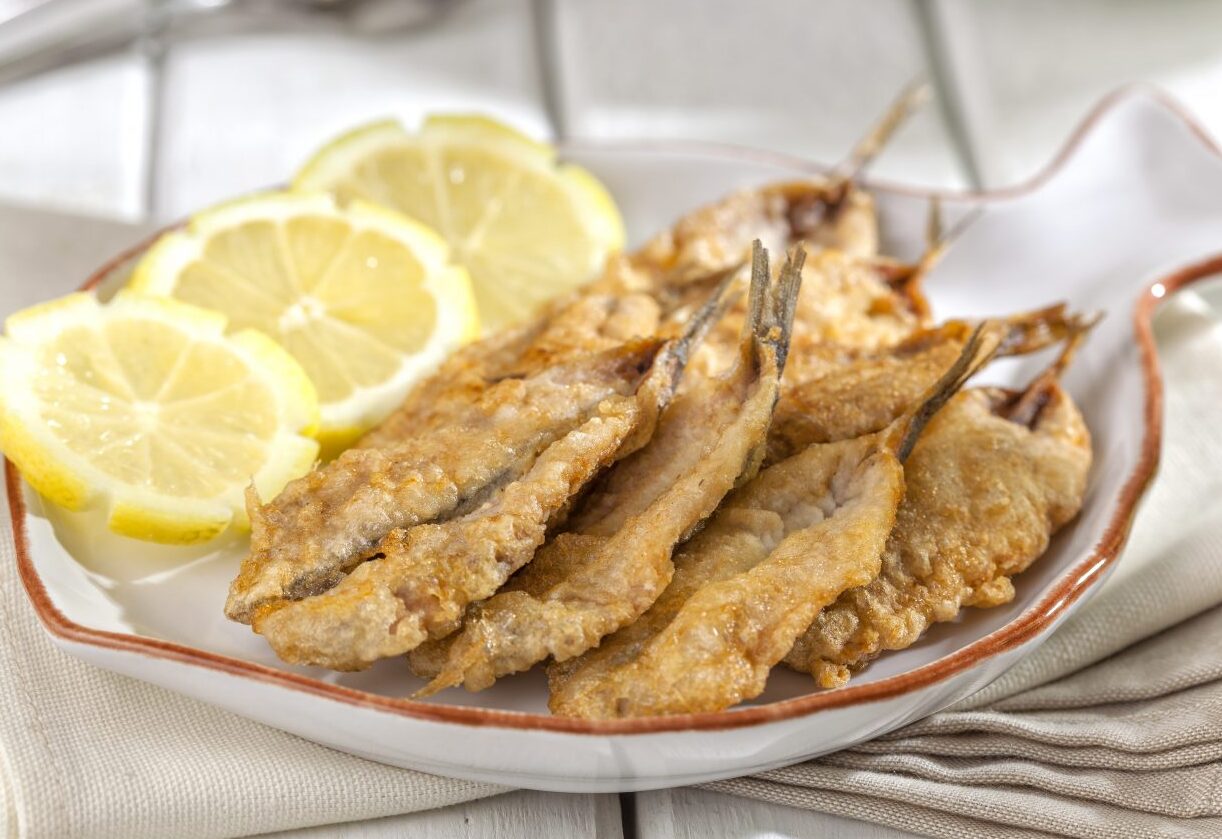
In the bustling markets of Palermo, the intoxicating aroma of fried fish fills the air, drawing locals and tourists alike to sample the city’s culinary treasures. Among these delights, sardine allinguate stands out as a quintessential Sicilian dish, a testament to the island's rich history and vibrant culture.
The origins of sardine allinguate can be traced back to the era of Spanish domination in Sicily during the 16th century. The term “allinguate” is derived from the Spanish word “lenguado,” which means sole. While the Spanish nobility indulged in this prized fish, the local population could not afford it. Resourceful Sicilians turned to the more abundant sardines, preparing them in a way that mimicked the sole's appearance. This culinary adaptation gave rise to the term sarde a lenguado, or sarde allinguate, symbolizing a fusion of necessity and creativity.
The art of preparing sardine allinguate is as intricate as the history that birthed it. The dish involves marinating sardines in vinegar, then coating them in flour before frying them to a golden crisp. This process not only enhances the flavor but also reflects the Sicilian ethos of transforming simple ingredients into something extraordinary. The best time to savor fresh sardines is from May to September, when local fishermen haul in their catch, ensuring the fish is at its peak freshness.
Palermo's history is steeped in layers of cultural influences, from Phoenicians and Romans to Arabs and Normans. This melting pot is vividly illustrated in the city's architecture. The Palermo Cathedral, a stunning blend of Gothic, Baroque, and Norman styles, stands as a monument to the city’s past. Built between 1185 and 1801, this architectural marvel houses the tombs of several Sicilian kings, including the famed Roger II. The Palazzo dei Normanni, another highlight, showcases the exquisite Cappella Palatina, adorned with intricate mosaics that narrate biblical stories, a testament to the artistic prowess of the era.
Local culture is deeply intertwined with the celebration of traditions and festivals. The Festino di Santa Rosalia, held every July, is one of the most significant events in Palermo. It honors the city’s patron saint, Santa Rosalia, with a grand procession and a vibrant street festival filled with music, food, and fireworks. Locals come together to celebrate their heritage, reinforcing community bonds and showcasing the rich tapestry of Sicilian life.
Gastronomy plays a pivotal role in Sicilian culture, and sardine allinguate is just one of many culinary gems. The island is renowned for its diverse offerings, from arancini (stuffed rice balls) to cannoli filled with sweet ricotta. Additionally, the Couscous alla Trapanese, a dish influenced by Arab cuisine, reflects Sicily's historical connections to North Africa. Pair any meal with a glass of Nero d'Avola, a robust red wine that complements the region's seafood perfectly.
For those looking to delve deeper into Palermo's culinary scene, lesser-known curiosities abound. One such delight is the sfincione, a thick, Sicilian-style pizza topped with onions, tomatoes, anchovies, and breadcrumbs. Often overshadowed by its Neapolitan counterpart, sfincione is a local favorite, best enjoyed at street stalls or family-run bakeries. Additionally, the Vucciria Market, with its vibrant chaos, reveals the heart of Palermo's food culture. Here, visitors can witness the hustle of vendors, sample local cheeses, and taste freshly fried sardine allinguate.
When planning a visit to Palermo, the ideal time is during the spring or early autumn. These seasons offer pleasant weather and a lively atmosphere without the overwhelming crowds of summer tourists. Be sure to explore the narrow streets of the Kalsa district, where art galleries and artisan shops thrive, and don’t miss the chance to visit the Piazza Pretoria, known for its stunning fountain adorned with intricate sculptures.
For an immersive experience, consider joining a cooking class where you can learn to prepare sardine allinguate and other Sicilian dishes. This hands-on approach not only enhances your culinary skills but also connects you with local chefs who share their passion for Sicilian cuisine.
As you explore the vibrant streets of Palermo and indulge in the rich flavors of its culinary landscape, you’ll discover that each dish, including the beloved sardine allinguate, tells a story of resilience, creativity, and cultural fusion.
To make the most of your experience, consider using the Secret World app to create a personalized AI itinerary that highlights the best of Palermo.
