



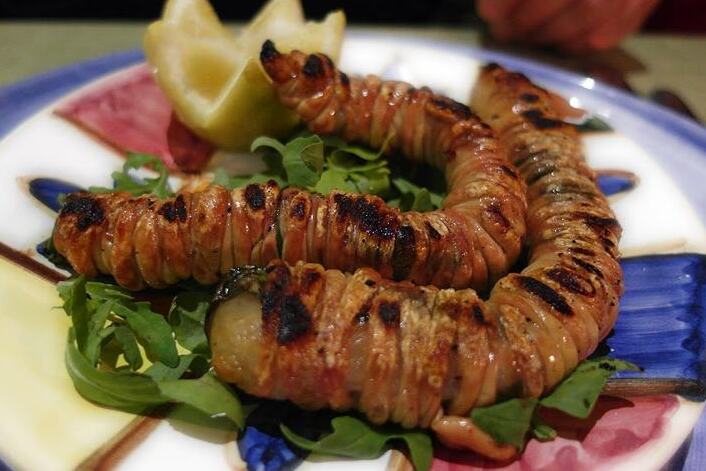
The air is thick with the intoxicating scent of grilled meat, a siren call that lures passersby down the bustling streets of Palermo. In the heart of this vibrant city lies a culinary treasure known as Stigghiola, a dish that encapsulates the essence of Sicilian street food. This traditional preparation of lamb or goat entrails, seasoned with parsley and onion, rolled around green onions, and grilled to perfection, is a testament to the region’s rich culinary heritage.
History and Origins
The origins of Stigghiola can be traced back to the Arab influence in Sicily during the 9th century. The Arabs introduced a variety of spices and cooking techniques that transformed the local cuisine. Grilling offal became a popular method of preparation, as it allowed the local population to utilize every part of the animal. As the dish evolved, it became particularly associated with the Palermitan street food scene, where vendors known as stigghiulari would serve it hot off the grill, often accompanied by a squeeze of lemon.
Historically, Stigghiola was a humble dish, consumed by the working class and laborers who frequented the markets of Palermo. Over the years, however, it has garnered a following among food enthusiasts and tourists alike, evolving into a symbol of Sicilian identity and resilience.
Art and Architecture
While the preparation of Stigghiola is a culinary art, the surrounding environment where it is served adds another layer of cultural richness. The streets of Palermo are lined with Baroque architecture, featuring stunning facades adorned with intricate carvings and vibrant tiles. The Palazzo dei Normanni and the Cappella Palatina, with their stunning mosaics, reflect the city's historical significance and artistic prowess.
As you wander through the Vucciria or Ballarò markets, the colorful stalls and lively atmosphere create an immersive experience. The connection between food and art is palpable here; the expertly grilled Stigghiola is not merely a meal but a work of culinary craftsmanship that reflects Palermo's vibrant cultural tapestry.
Local Culture and Traditions
Eating Stigghiola is more than just indulging in a dish; it’s a cultural ritual that embodies the spirit of Sicilian hospitality. Locals often gather around street vendors, sharing stories and laughter, creating a sense of community. The dish is especially popular during the Feast of Santa Rosalia, celebrated in July, when the streets come alive with processions, music, and, of course, food stalls offering Stigghiola hot off the grill.
In Palermo, food is often interwoven with tradition. Locals believe that to truly experience the city, one must embrace its culinary practices. Festivals like Festa di San Giuseppe in March also highlight the importance of communal meal preparation, where dishes like Stigghiola take center stage alongside other traditional offerings.
Gastronomy
Beyond Stigghiola, Palermo boasts a rich culinary scene with a variety of local delicacies. Arancini, rice balls stuffed with meat or cheese, and panelle, chickpea fritters, are just a few examples of street food that complement the experience. Pair these with a glass of Nero d'Avola, a robust red wine native to Sicily, for an authentic gastronomic journey.
For dessert, don’t miss out on cannoli—crispy pastry shells filled with sweet ricotta cheese—another hallmark of Sicilian cuisine. The robust flavors and fresh ingredients are a testament to the region's agricultural bounty.
Lesser-Known Curiosities
One of the delightful quirks of Stigghiola is how it embodies the Sicilian approach to cooking—using every part of the animal and minimizing waste. The term "Stigghiola" derives from the Sicilian word for "skewer," yet many might not know that these skewers are often handmade from local materials, adding a rustic charm to the experience.
Moreover, while many tourists flock to the popular eateries, the best Stigghiola is often found at small street stalls where the stigghiulari have been perfecting their craft for generations. Look for the vendors with the longest lines; they are usually the ones that deliver the most authentic experience.
Practical Visitor Information
The best time to visit Palermo is during the spring (April to June) or fall (September to October) when the weather is pleasant, and the city is less crowded. While you can find Stigghiola year-round, the summer months see an explosion of street food vendors, especially during local festivals.
When indulging in Stigghiola, don’t hesitate to engage with the vendor. They are often eager to share stories about their craft and offer tips on how to enjoy this delectable dish. Pair it with fresh lemon and a sprinkle of salt to enhance the flavors.
As you explore the vibrant streets of Palermo, the allure of Stigghiola is undeniable—a culinary experience that invites you to immerse yourself in the local culture. For a personalized journey through the flavors and sights of this enchanting city, consider using the Secret World app to plan your itinerary.
