
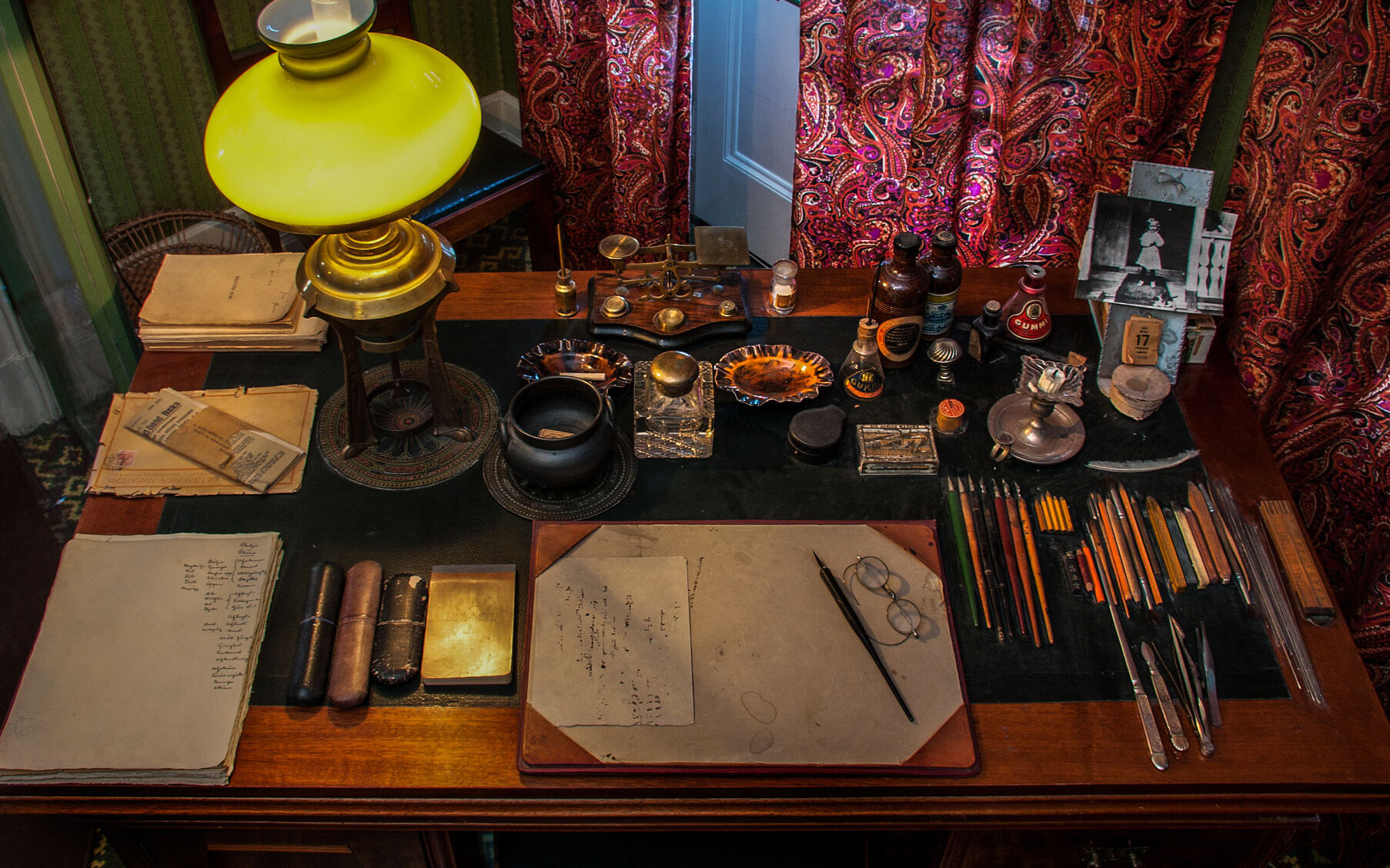

Nestled in the heart of Stockholm, the Strindberg Museum (Strindbergsmuseet) stands as a poignant tribute to one of Sweden’s most revered literary figures, August Strindberg. Known for his complex plays, novels, and essays, Strindberg lived in the house he affectionately dubbed the Blå tornet (The Blue Tower) from 1908 until his death in 1912. The museum, inaugurated in 1973 by the Strindberg Society of Sweden, showcases his flat and library, meticulously reconstructed to reflect the ambiance of his time. Visitors are welcomed into a space that whispers stories of a prolific mind, where the walls echo with the genius of a man who shaped modern literature.
History and Origins The Strindberg Museum is steeped in rich history, not only as a site of literary significance but also as part of the narrative of Stockholm itself. Strindberg, born in 1849, was a controversial figure, often at odds with societal norms and expectations. His works, influenced by naturalism and symbolism, mirrored the struggles of the human condition. The house, constructed in the late 19th century, became Strindberg's sanctuary, a place where he could create amidst the chaos of his life. The Strindberg Society, founded to preserve his legacy, transformed this intimate dwelling into a museum, allowing visitors to engage with the life and works of a literary titan.
Art and Architecture The architectural style of the Blå tornet is reflective of the eclectic designs popular during its construction, combining elements of Art Nouveau with traditional Swedish aesthetics. The interior of the museum is preserved with original furniture and artifacts, giving visitors an authentic glimpse into Strindberg's daily life. Notable artworks include Strindberg's own paintings, which reveal his artistic talents beyond literature. The museum also hosts temporary exhibitions, showcasing the works of contemporary artists influenced by Strindberg’s legacy, thus bridging the gap between past and present.
Local Culture and Traditions Visiting the Strindberg Museum offers more than just a literary experience; it immerses visitors in the local culture of Stockholm. The city celebrates Midsummer, a festive occasion marked with traditional songs and dances, while Strindberg’s influence is palpable in the local arts scene. Literary festivals often pay homage to his contributions, and the museum itself is a focal point for gatherings that celebrate Swedish literature. Engaging in these local customs provides a deeper understanding of Strindberg’s place within the cultural fabric of Sweden.
Gastronomy No visit to Stockholm is complete without indulging in the local gastronomy. Traditional Swedish fare includes herring, meatballs, and lingonberry sauce, which can be enjoyed in nearby cafés and restaurants. After exploring the museum, visitors can relax at a local eatery and savor a Kanelbullar (cinnamon bun) paired with rich Swedish coffee. The culinary scene here reflects Strindberg’s love for the simple yet profound aspects of life, echoing his philosophy through flavors and aromas.
Lesser-Known Curiosities While the museum showcases Strindberg’s literary contributions, it also harbors lesser-known curiosities. For instance, the Blå tornet was once home to Strindberg’s tumultuous marriage, which influenced much of his writing. Additionally, the museum often hosts readings and discussions that delve into the complexities of his work, providing insights that many casual visitors may overlook. The vibrant blue wallpaper, recreated to match the original, is not just a design choice; it symbolizes Strindberg's melancholic mood during his final years.
Practical Visitor Information The best time to visit the Strindberg Museum is during the spring and summer months, when the surrounding gardens bloom, creating a serene atmosphere. Weekdays are generally less crowded, allowing for a more intimate experience. Don’t miss the opportunity to browse through the library, which houses rare editions of Strindberg’s works. For those interested in deepening their understanding, guided tours often provide enriching narratives about the museum and its exhibits.
In summary, the Strindberg Museum is a literary sanctuary that invites you to explore the life and legacy of one of Sweden's most important writers. With its rich history, artistic significance, and cultural relevance, it’s a must-visit for anyone passionate about literature and the arts. Consider using the Secret World app to create a personalized itinerary that includes this gem among other Stockholm highlights.


