
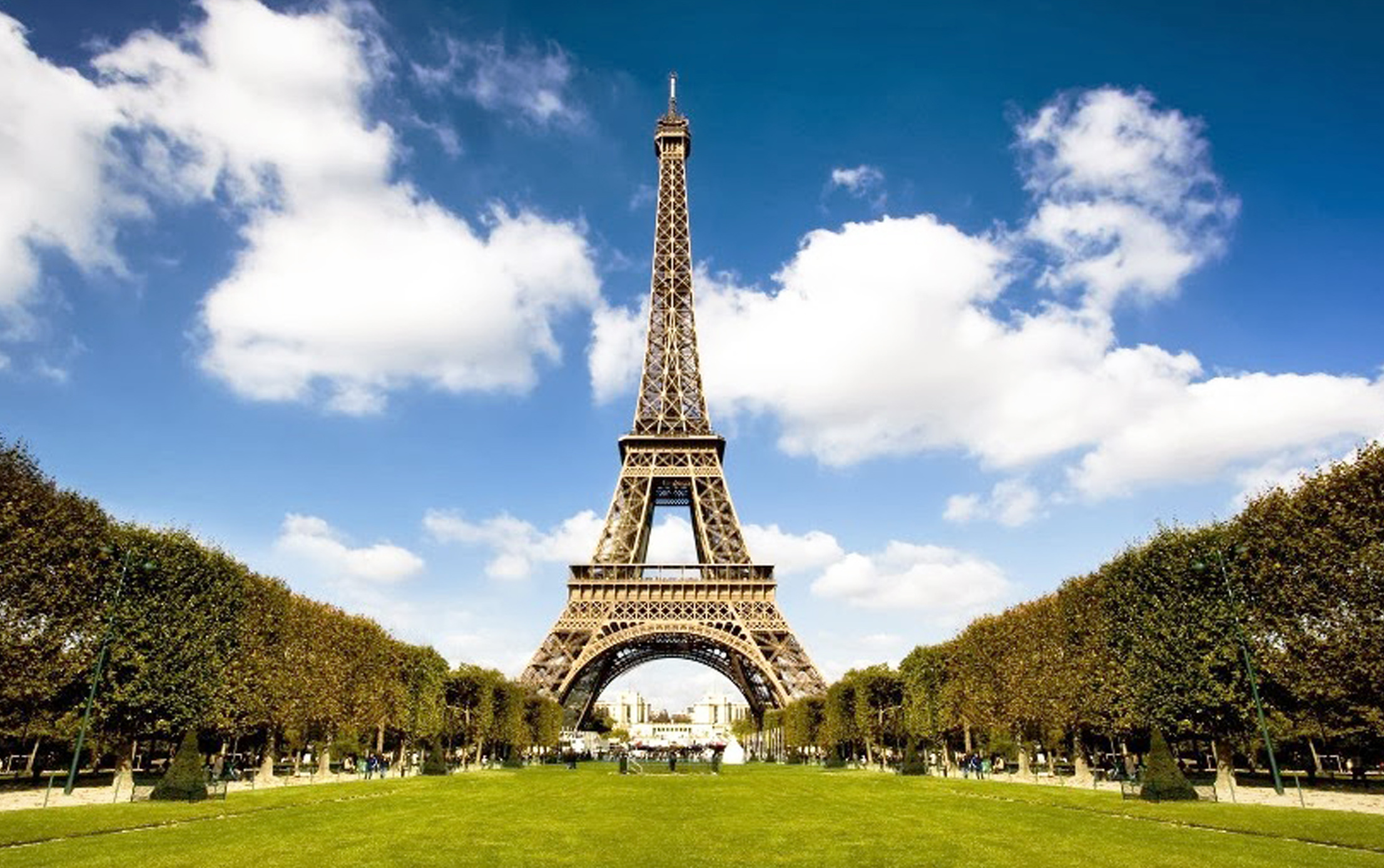

The Tour Eiffel, standing tall in the heart of Paris, is more than just an architectural wonder; it is a beacon of history, culture, and innovation that draws millions of visitors from around the globe. Constructed for the 1889 Exposition Universelle to celebrate the centennial of the French Revolution, the tower was initially met with mixed reactions from Parisians and artists alike. Designed by the engineer Gustave Eiffel, its completion marked a turning point in the use of iron as a structural element, paving the way for the skyscrapers of the future.
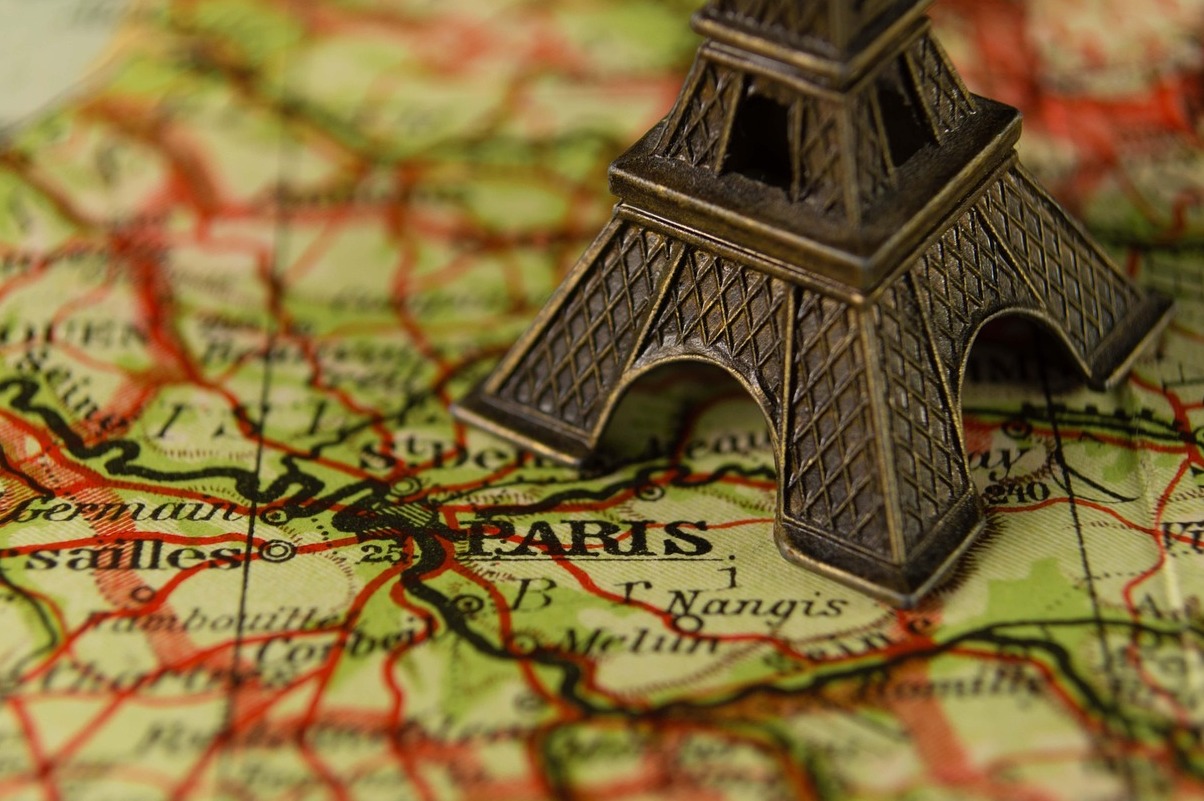
The architectural style of the Eiffel Tower is a marvel of 19th-century engineering. Standing at 324 meters, it was the world's tallest man-made structure until the completion of New York's Chrysler Building in 1930. Comprised of 18,038 iron parts and held together by 2.5 million rivets, the tower showcases the emerging Art Nouveau style with its elegant curves and intricate latticework. The monument’s ability to withstand the test of time continues to inspire architects and engineers.
Culturally, the Tour Eiffel has become an integral part of Parisian identity. It serves as a backdrop for countless cultural events and celebrations, such as the French National Day on July 14th, when a spectacular fireworks display illuminates the Parisian night sky. Locals fondly refer to it as "La Dame de Fer" (The Iron Lady), and it remains a symbol of French artistry and resilience.
Gastronomy at the Eiffel Tower is a feast for the senses. The second-floor restaurant, Le Jules Verne, offers a Michelin-starred dining experience under the direction of celebrated chef Alain Ducasse. Here, you can savor exquisite French dishes that mirror the sophistication of their setting. Traditional French fare like foie gras and lobster medallions are transformed into culinary masterpieces, paired with a meticulously curated wine selection.
Beyond its renowned attractions, the tower holds some intriguing secrets. Few know about the tiny secret apartment at the top, which Gustave Eiffel used to host notable guests, including Thomas Edison. Another lesser-known fact is the existence of a post office on the first floor, where visitors can send postcards stamped with a unique Eiffel Tower postmark.
For those planning a visit, timing can enhance the experience. The spring and early autumn months offer mild weather and fewer crowds, making it ideal for a leisurely exploration. Arriving early in the morning or late in the afternoon can also help avoid long lines. While ascending, pause to appreciate the panoramic views from each level; on a clear day, you can see as far as 70 kilometers.
Whether you're captivated by its historical roots or its cultural significance, the Eiffel Tower is a must-see marvel of human ingenuity and artistry. For a personalized itinerary to explore Paris's hidden gems, consider using the Secret World app.


