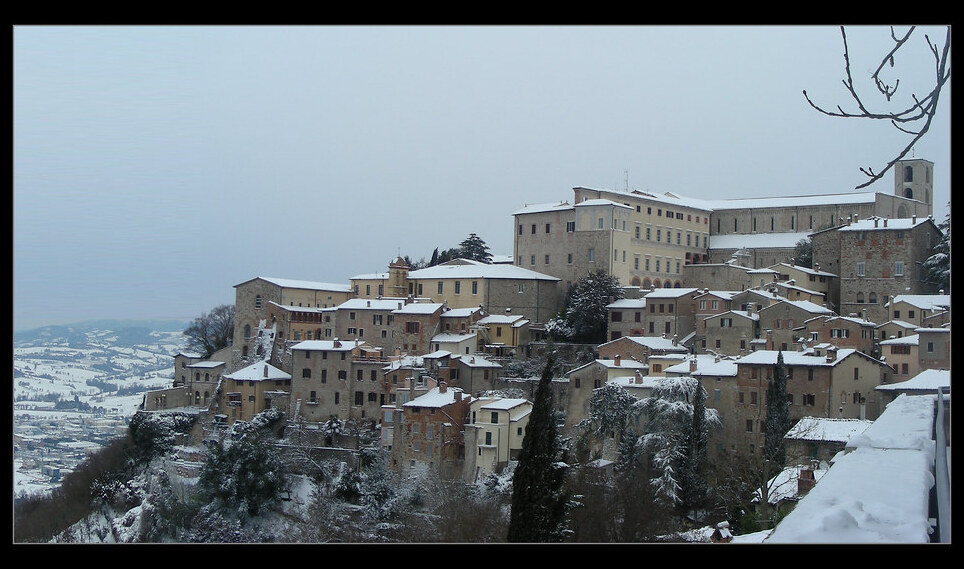

Nestled in the heart of Umbria, the medieval town of Todi is a treasure trove of history, art, and culture. Perched on a hill with sweeping views of the surrounding valley, Todi has captivated visitors for centuries, not just for its picturesque landscapes but also for its rich tapestry of historical significance and artistic heritage.
### History and Origins
The origins of Todi date back to the Etruscan civilization, with roots stretching as far back as the 8th century BC, when it was known as Tuder. The town flourished during the Roman Empire, becoming an important center of trade and governance. Key historical events include its defiance against the Roman conquest and subsequent affiliation with the Roman Republic. The emergence of the Middle Ages saw Todi rise to prominence as a free commune, a status that fostered local governance and civic pride.
One of the pivotal moments in Todi's history was its resistance during the Guelph and Ghibelline conflicts in the 12th century. This period of turmoil shaped the town's political landscape and encouraged the construction of fortifications and significant public buildings. The Palazzo del Popolo, built in the 13th century, stands as a testament to the town's civic aspirations and is one of the finest examples of medieval architecture in the region.
### Art and Architecture
Todi is a canvas of Renaissance and Gothic architecture, with the Cathedral of Santa Maria Assunta at its heart. This stunning structure, completed in the 15th century, showcases a blend of styles with its magnificent façade and exquisite interior. Visitors can marvel at the frescoes of the Umbrian School, which offer a glimpse into the artistic fervor of the period.
The Bishop's Palace, located in Rione Valle, is another architectural gem. Its grand entrance, attributed to Jacopo Barozzi da Vignola, is adorned with the coat of arms of the Cesi family. Inside, the Bishop's Archive preserves invaluable documents reflecting centuries of Todi's ecclesiastical and civic history. Meanwhile, the Monastery of the Lucrezie, originally founded by Lucrezia della Genga, provides a peaceful retreat and panoramic views of the valley, showcasing the serene beauty of Todi.
### Local Culture and Traditions
Todi is a living museum of local customs and traditions. The annual Palio della Madonna del Parto, held in May, is a vibrant celebration that evokes the spirit of medieval times. Participants, dressed in period costumes, engage in a colorful parade culminating in a horse race. This event not only highlights Todi's historical roots but also fosters a sense of community among its residents.
The town is also known for the Festa della Tonna, a unique celebration that pays homage to the local donkey population. This quirky event, characterized by races and fun activities, reflects the town's agricultural heritage and is a favorite among both locals and visitors.
### Gastronomy
The gastronomic landscape of Todi is as rich as its history. Traditional dishes often feature locally sourced ingredients, with truffles, wild boar, and chickpeas taking center stage. A must-try dish is strangozzi, a handmade pasta often served with a rich truffle sauce or a robust tomato sauce infused with local herbs.
For those with a sweet tooth, the Torta al Testo, a local flatbread often filled with cheese or greens, offers a delightful taste of Umbria. Pair your meal with a glass of Sagrantino di Montefalco, a robust red wine produced in the nearby vineyards, known for its deep flavors and rich tannins.
### Lesser-Known Curiosities
One of Todi's lesser-known legends is that of the Eagle's Nest, or Nido dell’Aquila, from which the area derives its nickname. This whimsical tale speaks of a bird's nest that symbolizes the town's resilience and strength, evoking the spirit of its founding. Additionally, hidden within the walls of the Bishop's Palace are several secret passages that once facilitated discreet movements for the clergy, a fascinating detail often missed by casual visitors.
Another intriguing aspect of Todi is its reputation as a cultural hub for artists and writers, having been frequented by prominent figures such as Giosuè Carducci and Giorgio Vasari, who found inspiration in its enchanting scenery and rich history.
### Practical Visitor Information
The best time to visit Todi is during the spring and fall, when the weather is mild, and the landscape bursts with color. The town is easily accessible by car or train, and once there, it’s best explored on foot to fully appreciate its narrow streets and hidden corners.
For an enriching experience, take time to visit the Museo della Pinacoteca, which houses a remarkable collection of Umbrian art, and don’t miss the chance to enjoy a leisurely walk along the ancient town walls for stunning views of the Tiber Valley.
In conclusion, Todi is a destination that invites exploration and curiosity, with layers of history and culture waiting to be uncovered. Whether you are captivated by its architectural wonders or enchanted by its local traditions, Todi promises an unforgettable experience.
To truly make the most of your visit, consider using the Secret World app to craft a personalized itinerary tailored to your interests and preferences.
