



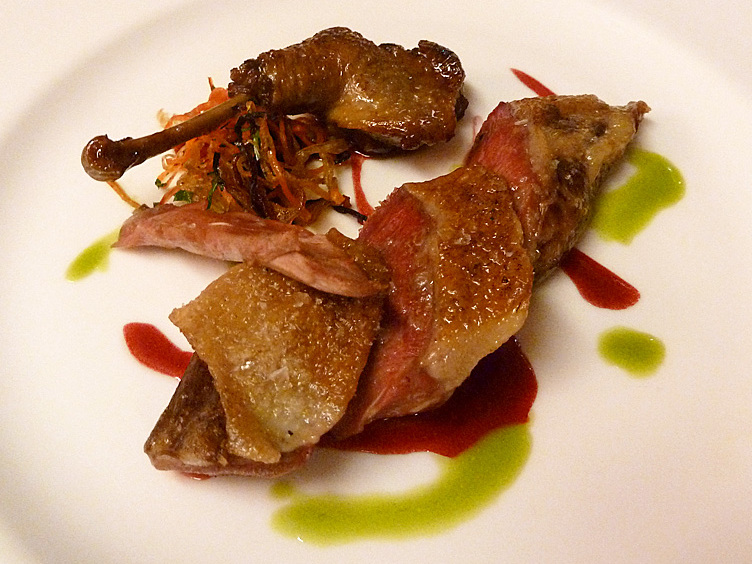
In the heart of Umbria, the charming hilltop town of Todi beckons with its rich history, stunning architecture, and vibrant culinary scene. Among its many culinary treasures, the dish known as palomba alla ghiotta stands out as a true emblem of local identity. This traditional delicacy is not just a meal; it is a celebration of the town's heritage that resonates deeply with the people of Todi.
### History and Origins
Todi’s history dates back to the Etruscan civilization, with roots extending as far back as the 8th century BC. The town flourished under Roman rule, becoming a notable center of trade and culture. The remnants of its ancient past can still be seen in the well-preserved Romanesque architecture that adorns the town’s skyline. Key historical events, such as its allegiance to the Papal States and its role in the tumultuous conflicts of the Middle Ages, shaped Todi into a bastion of culture and resilience.
The tradition of cooking doves, particularly the palomba alla ghiotta, has been passed down through generations. This dish encapsulates the agricultural richness of the region, where farming and hunting have been integral to local life. The annual festival in Cecanibbi di Todi celebrates this culinary heritage, drawing locals and visitors alike to partake in the festivities that celebrate both the dish and the community.
### Art and Architecture
Todi is a treasure trove of art and architecture. The town’s architectural style is predominantly Medieval, with notable landmarks such as the Piazza del Popolo, framed by the stunning Palazzo del Capitano and the Church of San Fortunato. The latter is particularly significant, housing the tomb of the revered poet Jacopone da Todi, who was instrumental in the development of Italian literature during the 13th century.
Visitors should not miss the Tempio di Santa Maria della Consolazione, an architectural masterpiece designed by Bramante in the 16th century. Its harmonious proportions and serene beauty reflect the Renaissance ideals of balance and symmetry, making it a must-see for any art lover.
### Local Culture and Traditions
The local culture of Todi is rich with traditions that have been preserved over centuries. The Cecanibbi Festival, dedicated to the palomba alla ghiotta, typically takes place in October and fills the streets with the aromas of roasting doves. This festival is not just about food; it is a vibrant gathering that showcases local music, dance, and crafts, creating an atmosphere of joyous celebration.
In addition to the festival, Todi is known for its warm hospitality. The locals, often referred to as Tuderti, are proud of their heritage and welcome visitors with open arms. Engaging with them provides deeper insights into the town’s customs, folklore, and dialect, which can be a delightful experience for those willing to venture beyond the tourist path.
### Gastronomy
When it comes to gastronomy, Todi offers a feast for the senses. The palomba alla ghiotta is the dish par excellence, showcasing the region's agricultural bounty. These doves are traditionally cooked slowly on skewers, brushed with olive oil and rosemary, allowing their rich flavors to meld with the drip pan below. Todi’s local cuisine features a plethora of ingredients like black olives, wine, garlic, sage, lemon, and pepper, which enhance the dish’s savory profile.
While the classic recipe remains a favorite, variations exist. Some chefs add capers, juniper berries, ham, or even anchovies, each bringing a unique twist to this beloved dish. Pairing it with a glass of Sagrantino di Montefalco, a robust local red wine, enhances the dining experience, making it a true celebration of Umbria's culinary landscape.
### Lesser-known Curiosities
While Todi is known for its beauty and cuisine, it also harbors lesser-known curiosities. One intriguing fact is the local dialect, Todino, which is so unique that many words have no direct translation in Italian. This linguistic treasure reflects the town's distinct cultural identity.
Moreover, Todi is home to a series of ancient wells that date back to the Roman era, some of which are still in use today. These wells not only provided water but also served as gathering places for the community, adding to the town's social fabric.
### Practical Visitor Information
The best time to visit Todi is during the autumn months (September to November), particularly in October when the palomba alla ghiotta festival takes place. The weather is mild, and the landscape is painted in vibrant hues of orange and gold, making it an ideal time for exploration.
When visiting, take time to stroll through the narrow streets and enjoy the stunning views of the surrounding countryside. Don’t forget to stop by local shops for handmade crafts and regional delicacies. Also, consider checking out the local markets for fresh produce and traditional products.
Incorporating a visit to Todi into your travel plans promises an enriching experience filled with culture, history, and culinary delight. To make the most of your trip, consider using the Secret World app to create a personalized itinerary that captures the essence of this enchanting town.
