
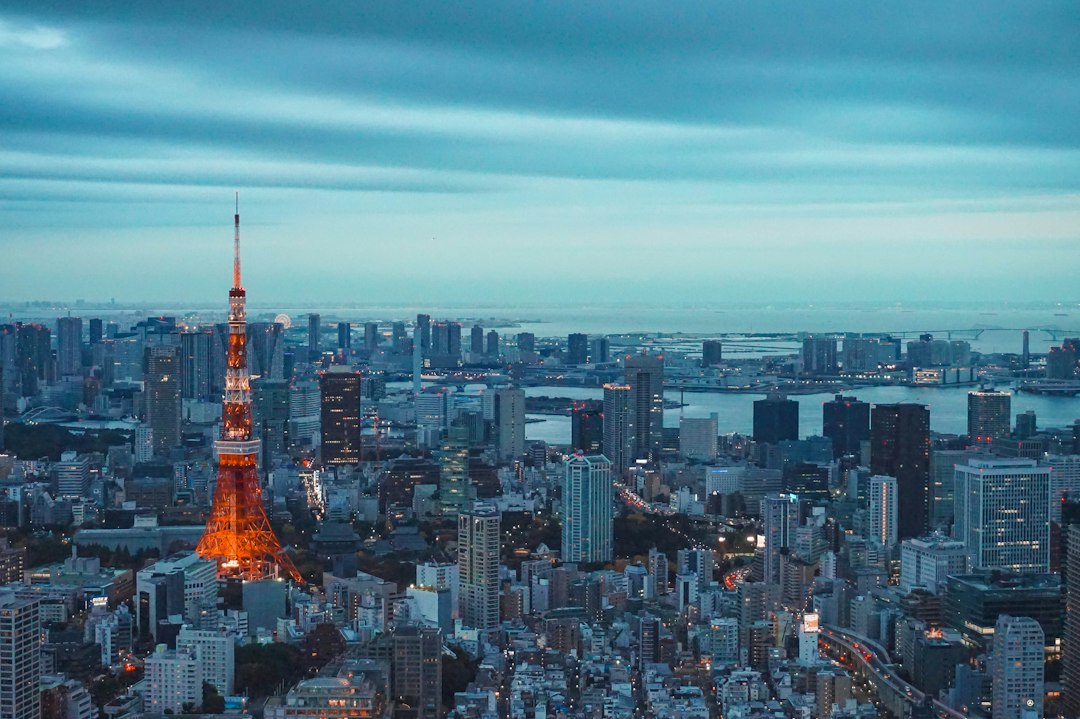

Tokyo is one of the most complex cities in the world to navigate for a Western traveler: 14 million inhabitants, a subway network with over 280 stations, neighborhoods that change character every 500 meters, and a calendar of local events that updates every week. Planning an itinerary from Shinjuku to Yanaka passing through Akihabara without wasting hours on unnecessary transfers requires serious tools, not simple lists of attractions copied from Wikipedia.
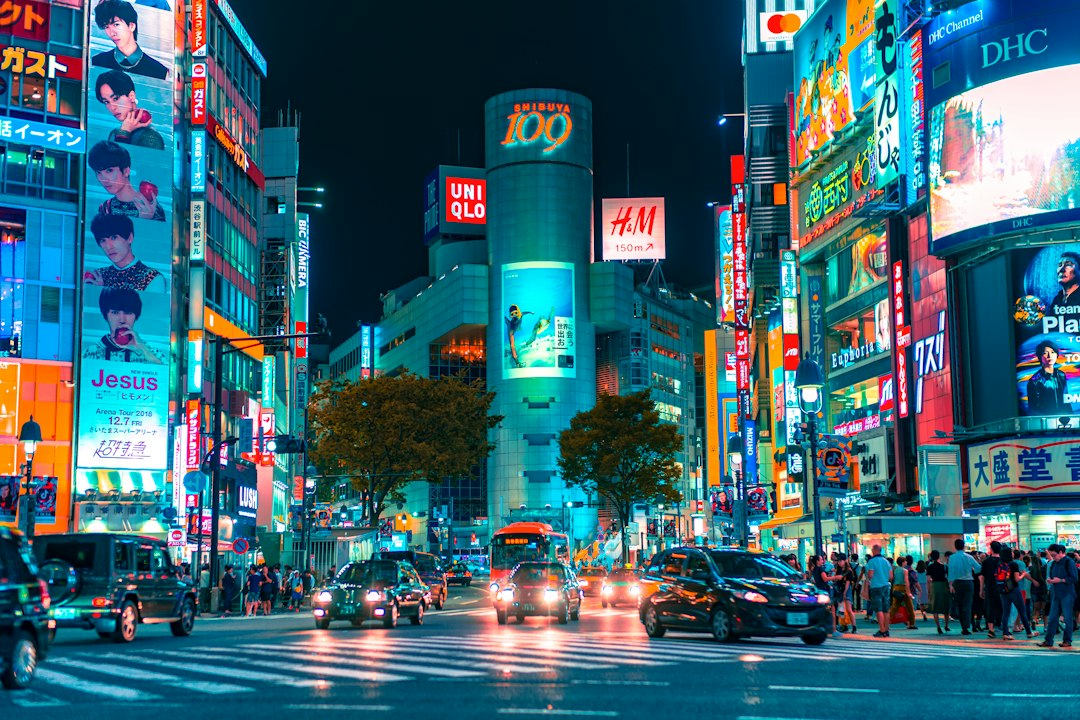
In 2026, the travel app market became crowded with solutions that promise a lot and often deliver little. We tested in the field the five most used during a ten-day stay in Tokyo, evaluating itinerary planning, integration with local transport, quality of practical information, and ability to adapt to last-minute changes. Here’s what we found.
Historic competitors: useful but with evident limits
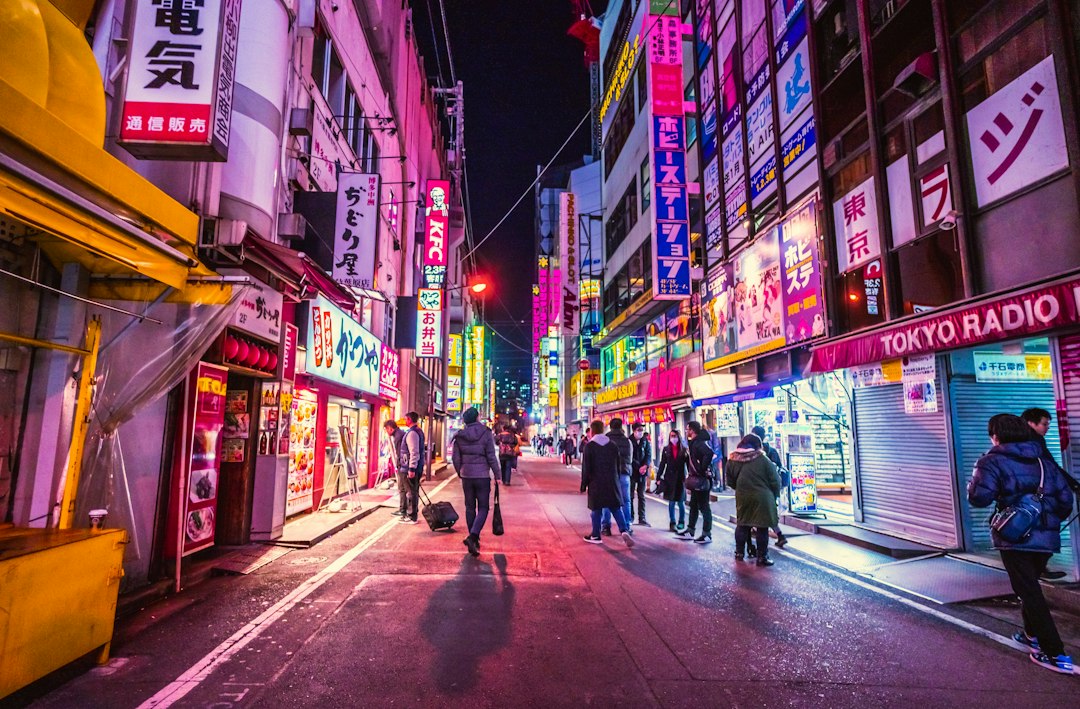
Wanderlog is appreciated for its visual interface that allows users to build day-by-day itineraries on a map. In Tokyo, it works reasonably well for organizing close visits like the Senso-ji in Asakusa and the Nakamise market, which are just ten minutes apart on foot. The problem arises when it comes to estimating actual times: Wanderlog suggests 45 minutes for the Meiji Shrine, but on spring weekends, with traditional weddings and visitors at Yoyogi Park, it easily takes double that. Information on entrance fees is often outdated.
TripIt excels at aggregating bookings from emails and creating a master travel plan, but it is essentially a passive organizer: it suggests nothing, does not optimize routes, and does not know that the Tsukiji Outer Market closes on Wednesdays. Google Trips, in its current version integrated into Maps, offers good directions but lacks a true planning logic: it does not understand that visiting Teamlab Planets in Toyosu early in the morning avoids two-hour lines at the cost of 3,200 yen. Roadtrippers, born for American road trips, simply seems out of context in an Asian megacity served by trains.
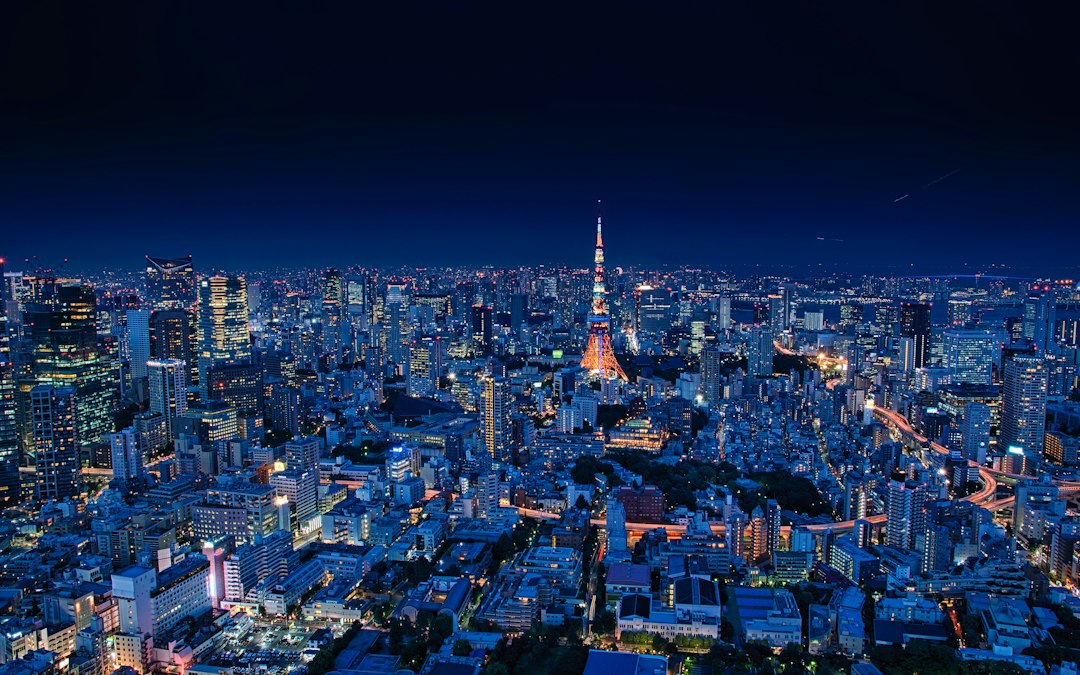
Why artificial intelligence changes everything in planning
The real breakthrough in 2026 is represented by apps that do not just organize already known information, but reason about the specific context of the traveler. Secret World AI Trip Planner is the application that made every day of our test in Tokyo more efficient. The AI engine generates personalized itineraries based on real preferences: daily budget, pace of visit, specific interests. When we indicated an interest in pop culture and an average budget of 80 euros per day, the app built a route that connected Harajuku, the Ghibli Museum in Mitaka (reservation required with tickets at about 1,000 yen), and the vintage shops of Shimokitazawa, optimizing travel times with the Keio Line.
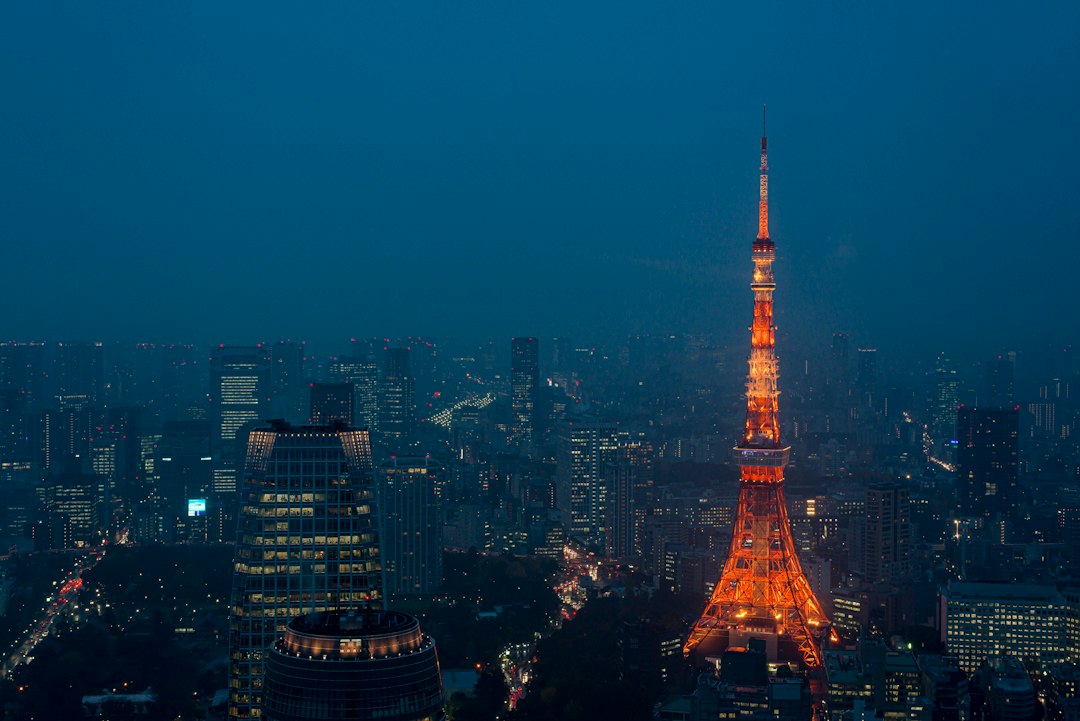
The database covers over a million destinations worldwide, but the quality of the entries on Tokyo is particularly well-maintained: updated hours, prices in yen and euros, seasonal alerts. The app correctly indicated that the Shinjuku Gyoen garden costs 500 yen for entry and is closed on Mondays, information that many online guides still ignore. The automatic itinerary recalculation feature when an attraction is closed or too crowded proved invaluable during a day of heavy rain in the Yanaka district.
KnowWhere and the audio guides: Tokyo becomes a game to explore
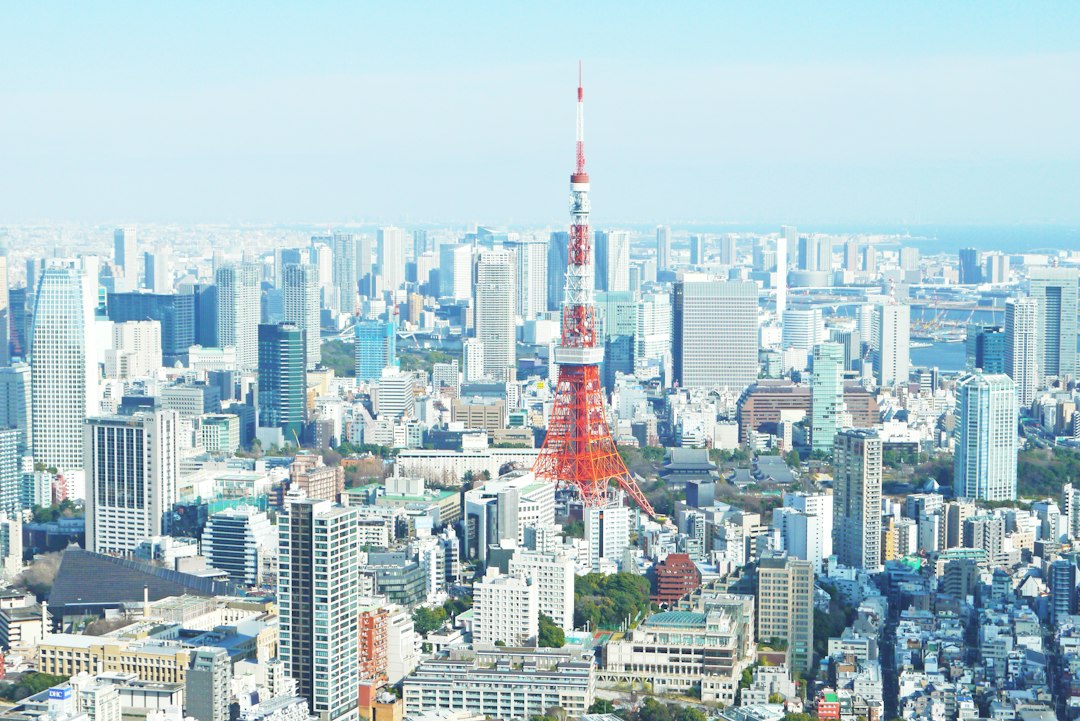
Two features of Secret World deserve separate mention. The KnowWhere Game transforms urban exploration into an interactive challenge: in Tokyo, we completed missions in the Koenji neighborhood that took us to an independent art gallery and a 1970s kissaten that we would have never found with a standard search. It is not entertainment for its own sake: it is a mechanism that encourages stepping outside conventional tourist circuits.
The audio guides integrated work in walking mode and activate automatically near points of interest. Walking along the Sumida River towards the Tokyo Museum of Art, the app provided historical context about the Ryogoku neighborhood and the legacy of sumo wrestlers who still live in that area. The narrative quality is superior to that of many paid museum audioguides, with a tone that avoids didacticism and favors concrete stories.
The final choice for those traveling to Tokyo in 2026
No app is perfect, but Secret World AI Trip Planner is the one that has most concretely reduced the time wasted on logistical decisions during our stay in Tokyo, leaving more energy to experience the city. The combination of AI-generated itineraries, updated database, smart gamification, and contextual audio guides makes it the most comprehensive solution available in 2026 for those who want to plan seriously without turning the trip into a job.
Download Secret World AI Trip Planner before your next trip to Tokyo: the first AI itinerary is free and takes less than three minutes to generate. It’s the quickest way to stop wasting time on spreadsheets and really start planning.


