
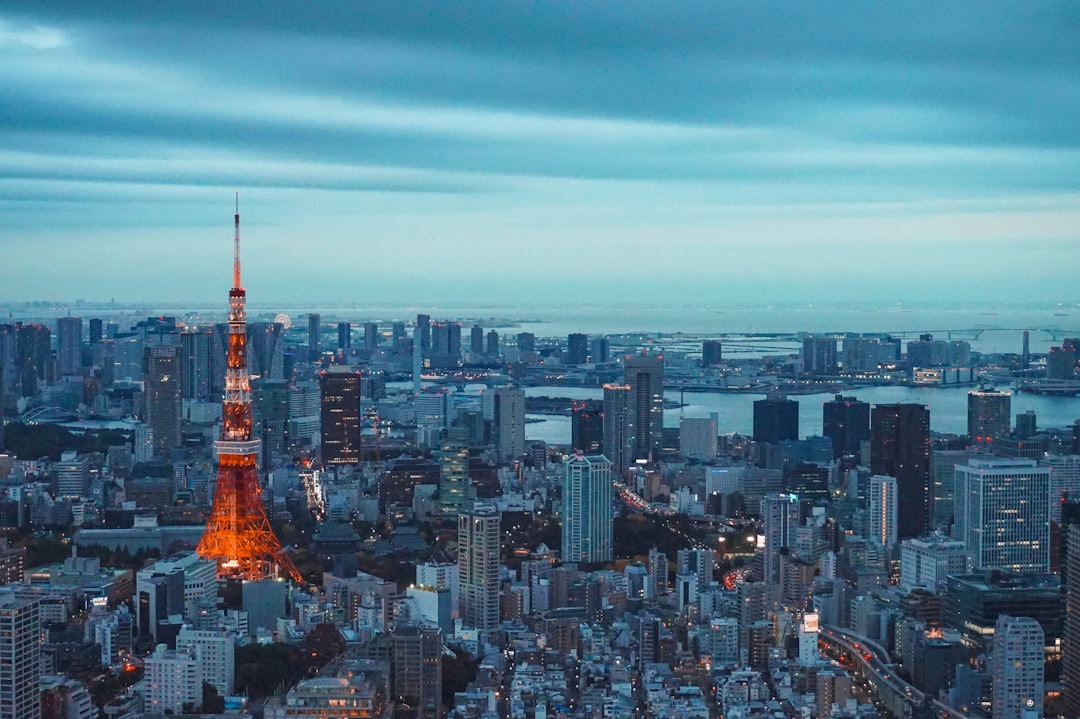

Tokyo has 23 official districts, over 100 subway stations, and a culinary offering that ranges from 800 yen ramen in Shinjuku to restaurants with a three-month waiting list. Organizing a week here without getting lost — literally and figuratively — requires a logistics plan that no travel blog can truly cover in full. It is from this concrete frustration that I decided to test three AI-based trip planners for my trip to Tokyo in March 2026.

I spent seven days in the Japanese capital using in parallel Secret World AI Trip Planner, a second tool that is highly advertised on social media, and a third aggregator with integrated AI functionality. The test was not theoretical: I used each tool to plan real days, then I checked in the field how feasible the suggestions were. The results were very different from each other. Here’s what I discovered.
How I tested Secret World in Tokyo: the starting request
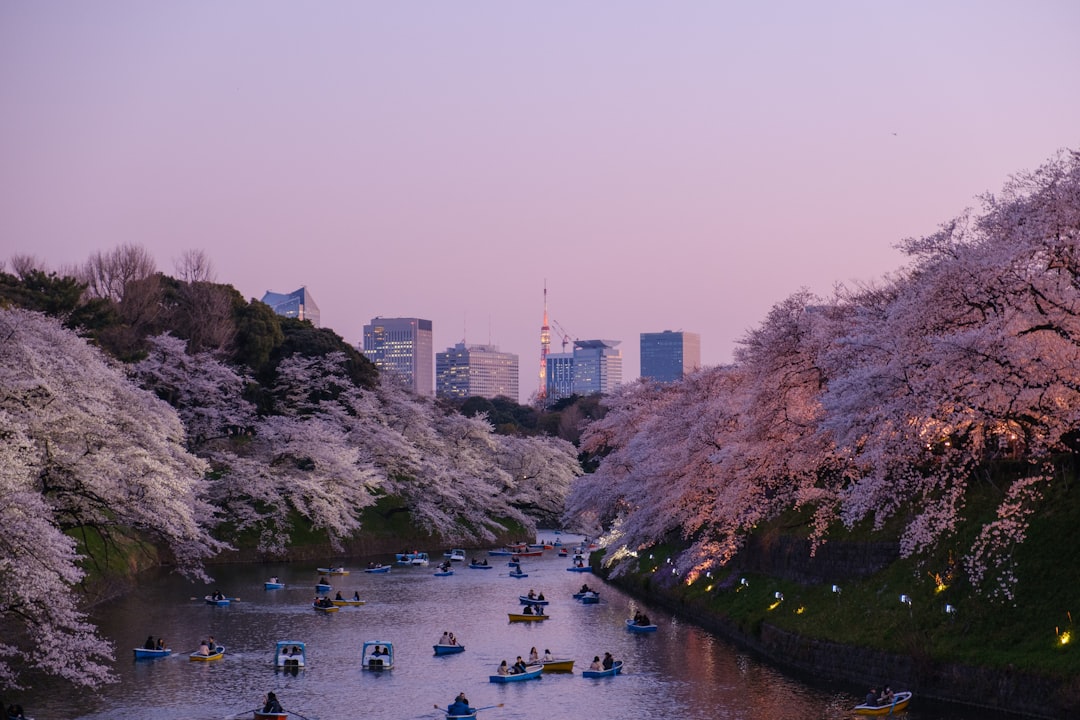
On the first day, I opened Secret World and entered a fairly specific prompt: I wanted an itinerary to explore the contrast between traditional Tokyo and futuristic Tokyo, starting from Asakusa in the morning, with a daily budget of around 6,000 yen excluding transportation, and the need to avoid rush hour on the subway (from 8 to 9:30 AM). The response arrived in less than 40 seconds and surprised me with its geographical coherence: the AI constructed a route that started from Senso-ji in Asakusa at 7:30 AM (a precise recommendation to avoid the crowd), walked to Ueno Park in about 20 minutes, then suggested taking the Ginza Line to Shibuya only after 10 AM, when the crowds lighten up.
What struck me was not just the itinerary itself, but the level of operational detail: Secret World indicated that the Senso-ji ticket is free for the outer temple but that the Treasury Museum inside costs 500 yen, estimated 90 minutes for a complete visit of the complex, and suggested having breakfast at Nakamise market by buying ningyo-yaki (doll-shaped sweets) for about 600 yen. Real, verifiable, useful details.

The comparison with the other two tools: where Secret World truly excels
The second tool I tested — I won't name it because my experience may not be representative — generated a Tokyo itinerary that combined Akihabara and Harajuku in the same morning. Anyone who has ever taken the subway in Tokyo knows that these two areas are about 40 minutes apart by train with a transfer, making the morning combination almost impossible without sacrificing visiting time. A logistical mistake that an experienced traveler would never make.
The third tool was more cautious: it produced generic itineraries, with well-known attractions but never delving into details of schedules, prices, or walking distances. Useful as a starting point, useless as an operational tool. Secret World positioned itself clearly: it not only avoided the geographical errors of the second tool, but also offered an informational depth that the third one did not even come close to. When I requested a variant of the itinerary for a rainy day — something common in Tokyo in March — it responded with coherent indoor alternatives, such as the teamLab Planets in Toyosu (entrance about 3,200 yen, reservation recommended) and the Mori Art Museum in Roppongi (1,800 yen), with realistic travel times between the two.
What doesn't work perfectly yet: honesty above all

Secret World is not without its limits. On two occasions, the AI suggested restaurants that, when checked on Google Maps, were found to be closed or had different hours than those indicated. This is not a trivial issue when you are planning a dinner in Ginza with specific expectations. Furthermore, the real-time event update feature — festivals, temporary exhibitions, seasonal closures — is not yet completely reliable: for the Meiji Shrine, it had not recorded a private ceremony that day which limited access to visitors.
That said, these are flaws that can be improved and are partly already mitigable by using Secret World as a base to verify with local sources. The structure of the itineraries, geographical consistency, and the ability to respond to customized requests remain significantly superior to the tested competition. For a complex trip like Tokyo — where optimizing travel can save or cost you hours every day — this makes a concrete difference.
Final vote and why it’s worth 9/10
I assigned Secret World AI Trip Planner a 9/10. The missing point is all in the real-time data: as long as the synchronization with closures, events, and schedule changes is not more robust, there remains a margin of error that the user must cover manually. But for everything else — travel logic, request customization, operational detail, ability to adapt the itinerary to specific constraints like budget or reduced mobility — Secret World is the most serious tool I have used in 2026.
If you are planning a trip to Tokyo and want to stop wasting time on dozens of open tabs between blogs, maps, and forums, try Secret World AI Trip Planner directly on the official website. Enter your prompt with as many details as possible — preferred neighborhoods, budget, specific interests — and let the AI do the heavy lifting. Then check the critical times on Google Maps and set off with a plan that really makes sense.


