
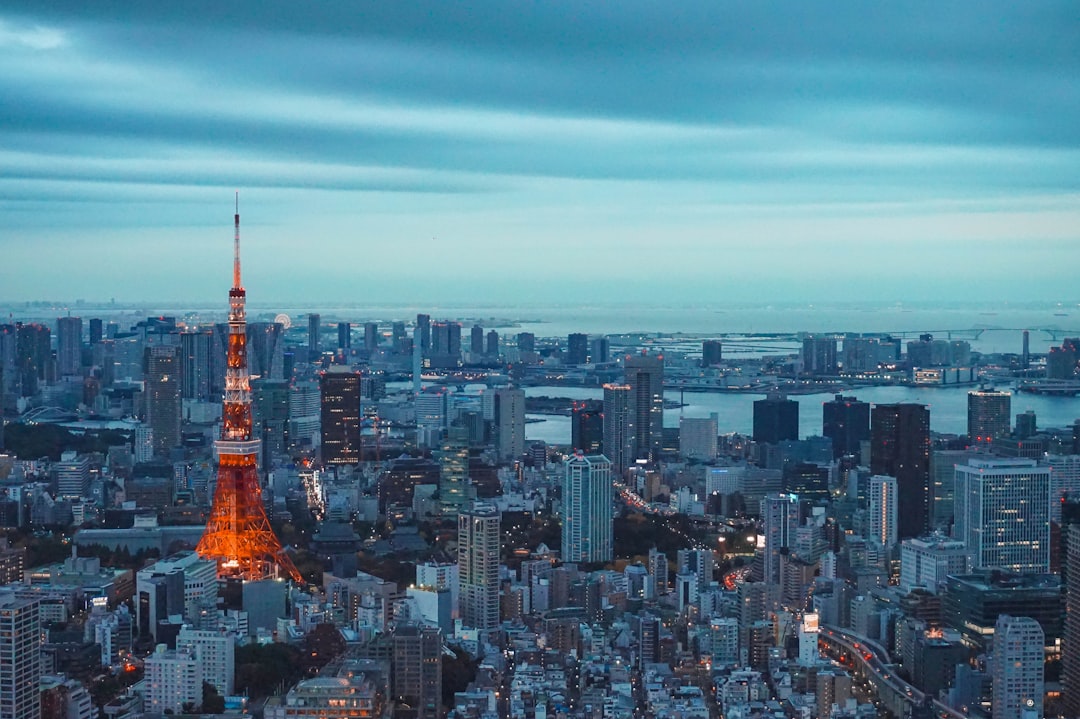

Tokyo puts you in crisis right from the first day: you stand still in front of the Shinjuku subway map, 53 lines crossing like strands of spaghetti, and you realize that organizing this city on your own takes hours of research. It was exactly at that moment that I opened Secret World AI Trip Planner on my phone and decided to entrust it with the entire week. Spoiler: I did not regret it.
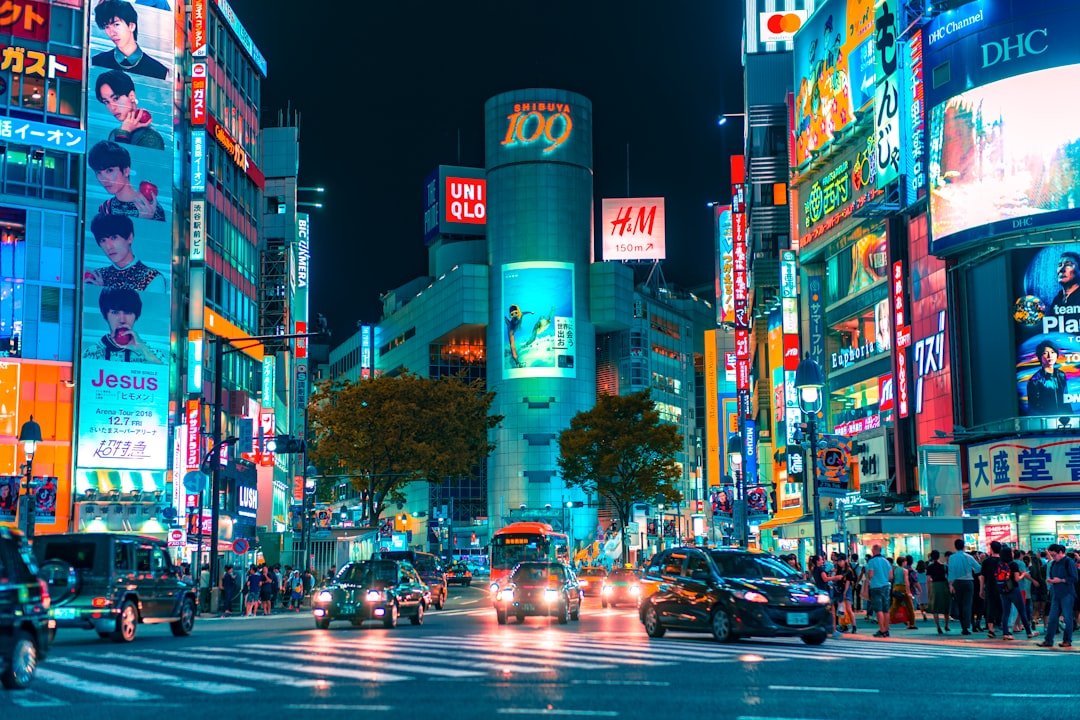
I tested three of the main AI trip planners available in 2026 during a seven-day stay in Tokyo, from the Yanaka district to Odaiba, passing through Akihabara and the temples of Asakusa. The evaluation criterion was simple: how well do they really understand a complex city like this? Here are the honest results.
What I asked Secret World and how it responded

I started with a specific request: “I am in Tokyo for 7 days, based in Shinjuku, medium budget of €150 per day, I want to avoid the longest lines and mix traditional culture with contemporary neighborhoods”. In less than 40 seconds, Secret World generated a daily itinerary with specific times, not approximate ones. Day 1 included Senso-ji in Asakusa at 7:30 in the morning — correct advice, because before 9 the temple is almost deserted — followed by a walk through the Nakamise market (free entry) and then the subway transfer to Ueno for the Tokyo National Museum (entry 1,000 yen, about €6).
The thing that struck me is that the AI included real travel times: from Asakusa station to Ueno it takes 5 minutes on the Ginza Line, and Secret World knew that. It also noted that the museum is closed on Mondays, a detail that other planners overlooked. For each attraction, there was an estimate of the visiting time: 45 minutes for Senso-ji, 2 hours for the museum. No endless list of things to do that are impossible to complete in a day.

The comparison with the other two competitors
I also tested Wanderlog AI and TripGenie under the same conditions, same request, same city. Wanderlog AI produced a visually appealing itinerary but with obvious practical errors: it scheduled Shibuya and Harajuku in the same afternoon along with Roppongi Hills, three areas that are a total of 40 minutes apart by subway but each require at least 2-3 hours to be visited calmly. Result: an unrealistic plan that makes you rush without ever really stopping.

TripGenie performed better in time planning, but its suggestions on restaurants and prices were outdated or generic. It recommended ramen at Ichiran Shinjuku without specifying that the average wait time is 45 minutes during lunch hour, information that Secret World included along with an alternative nearby. On the transportation front, Secret World was the most accurate of the three: it indicated not only the line but also the number of stops and the ticket cost in yen.
The details that make a difference in practice

During the third day in Tokyo, I followed Secret World's plan for the Shimokitazawa neighborhood to the letter, an area that the other two planners didn't even mention. The AI had identified this bohemian neighborhood as perfect for my traveler profile, with its vintage shops, independent theaters, and cafes hidden in the alleys. It suggested arriving after 11 (the shops open late) and having lunch at Matterhorn, a historic bakery with sandwiches for less than 800 yen. Everything matched reality.
Another concrete strength: when I requested a modification on the fly — “it’s going to rain tomorrow, adjust the program” — Secret World responded in 20 seconds with an alternative plan focused on indoor museums and shopping centers like teamLab Planets in Toyosu (reservation recommended, ticket 3,200 yen). It didn't just move the activities around; it considered the weather and the logic of travel. The other two responded with generic suggestions without considering the distances.
The final vote: 9/10 justified
Secret World AI Trip Planner gets 9 out of 10 for a simple reason: it truly works like a competent travel consultant, not like a list aggregator. It knows Tokyo in operational details — real schedules, queues, updated prices, transport logistics — and knows how to adapt to specific requests without producing cookie-cutter itineraries. The only half point missing from excellence concerns the restaurant section, which can still be improved with more options in the lower price ranges, under 1,000 yen per meal.
If you are planning a trip to Tokyo in 2026 and want to stop wasting hours on conflicting forums and blogs, try Secret World AI Trip Planner for free at secretworld.ai. Enter your request, see how it organizes the city in a few seconds, and decide for yourself if it is trustworthy. In my case, it turned a potentially chaotic week into one of the best-organized trips I remember.


