
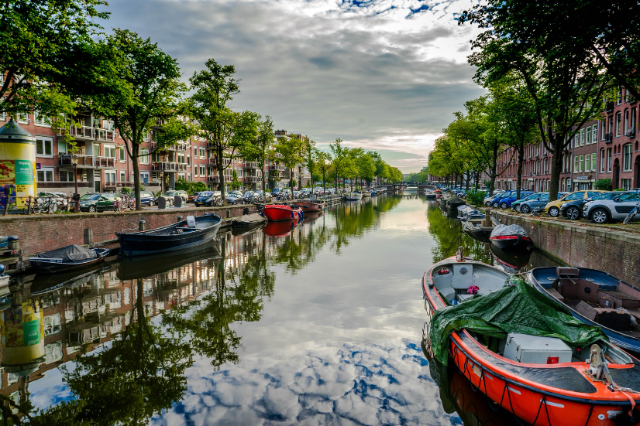

As you glide through the Canals of Amsterdam, time seems to stand still, whispering tales of a bygone era when trade and artistry flourished in the heart of the Netherlands. The Canal Belt, a UNESCO World Heritage site, is more than just a picturesque network of waterways; it is a living testament to the city’s ambitious expansion during the Dutch Golden Age in the 17th century.
History and Origins
The origins of the canals can be traced back to 1613 when urban planner Cornelis van Yperen was commissioned to design a new city layout. The Herengracht, Keizersgracht, and Prinsengracht canals were meticulously constructed to create a sophisticated waterway system that facilitated trade and transport. By the mid-17th century, Amsterdam had transformed into a global trading hub, attracting merchants and artists alike.
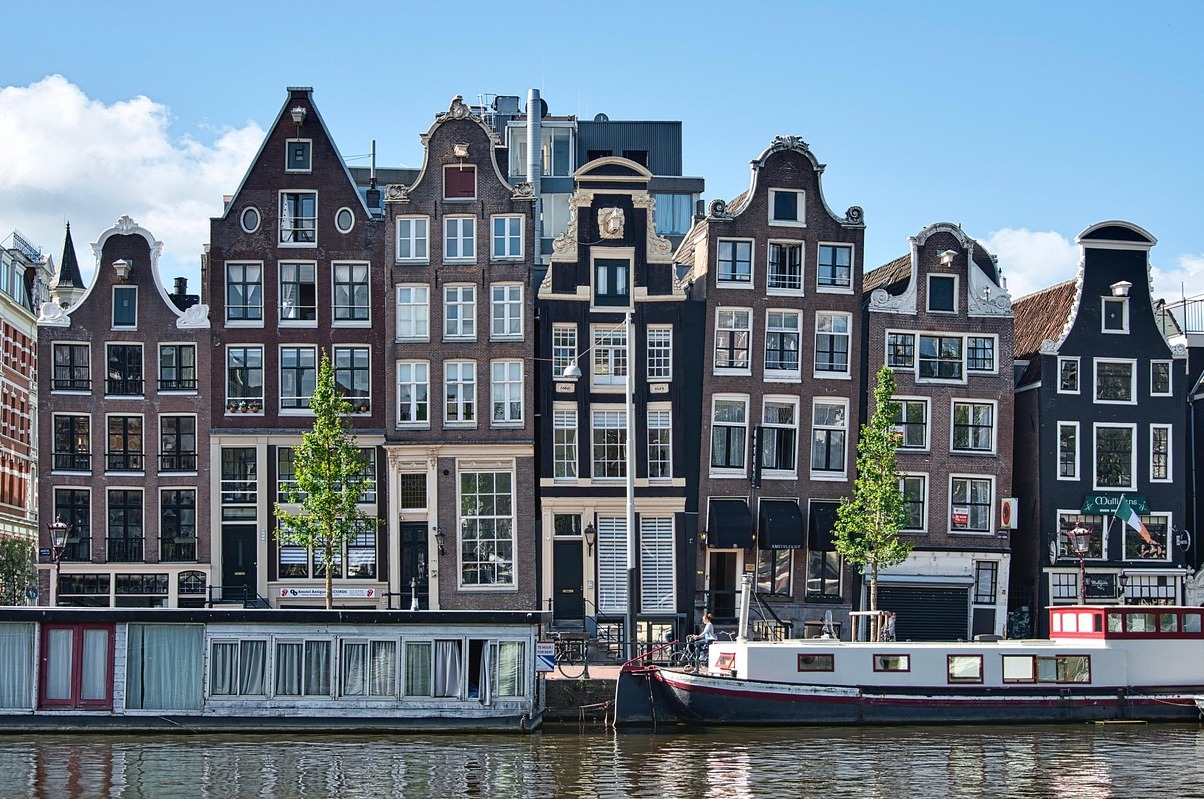
The canals served not only a practical purpose but also showcased the wealth of the city’s elite. Grand merchant houses with ornate facades lined the waterways, reflecting the affluence that characterized this golden period. Today, many of these residences, with their characteristic stepped gables, are preserved as historical monuments, inviting visitors to peer into the past.
Art and Architecture
The architecture along the canals is a harmonious blend of styles, primarily Dutch Renaissance and Baroque, with influences from the Italian Renaissance. The Gouden Bocht (Golden Bend) on the Herengracht is particularly noteworthy for its stunning mansions, which were once home to prominent merchants. The intricate detailing of the facades, characterized by intricate carvings and grand doorways, speaks volumes of the craftsmanship of the era.
Art enthusiasts will find the canals a canvas of artistic significance. Many famous painters, including Rembrandt and Vermeer, drew inspiration from the city’s vibrant atmosphere. The Amsterdam Museum and the Rembrandt House Museum are excellent places to delve deeper into the city’s artistic heritage, showcasing works that capture the essence of life along the canals.
Local Culture and Traditions
The culture of Amsterdam is steeped in tradition, and the canals play a central role in local life. One of the most cherished customs is the celebration of King's Day (Koningsdag) on April 27, where the canals become a sea of orange as locals and visitors don vibrant attire and take to the water in boats. Flea markets pop up along the banks, adding to the festive atmosphere.
Another unique event is the Amsterdam Light Festival, which illuminates the canals with breathtaking light installations every winter. Artists from around the world are invited to create mesmerizing displays, transforming the city into a magical wonderland, best viewed from a boat.
Gastronomy
A visit to the canals is not complete without indulging in Amsterdam’s culinary delights. Local favorites include stroopwafels, thin waffles filled with caramel syrup, and haring, raw herring fish served with onions and pickles—best enjoyed by holding the fish by the tail and taking a bite.
For those seeking a more substantial meal, the brown cafes, with their rustic charm, serve hearty traditional dishes such as stamppot (mashed potatoes mixed with vegetables) and bitterballen (fried meatballs). Pair your meal with a glass of Dutch gin (jenever) or a local craft beer from one of the city’s many breweries.
Lesser-known Curiosities
While the main canals are undeniably stunning, the lesser-known Begijnhof—a tranquil inner courtyard dating back to the 14th century—offers a hidden gem of peace amid the bustling city. This enclave was originally home to the Beguines, a group of women who lived a religious life without renouncing the world.
Another intriguing detail is the houseboats that line the canals, where many locals live. The floating homes, often decorated with vibrant flowers and personal touches, provide a unique glimpse into contemporary Amsterdam life.
Practical Visitor Information
The best time to visit the Canals of Amsterdam is during the spring, particularly in April when the tulips bloom, painting the city in vibrant colors. However, each season offers its own charm—with cozy winter walks and enchanting lights or the lively summer atmosphere filled with boat parties.
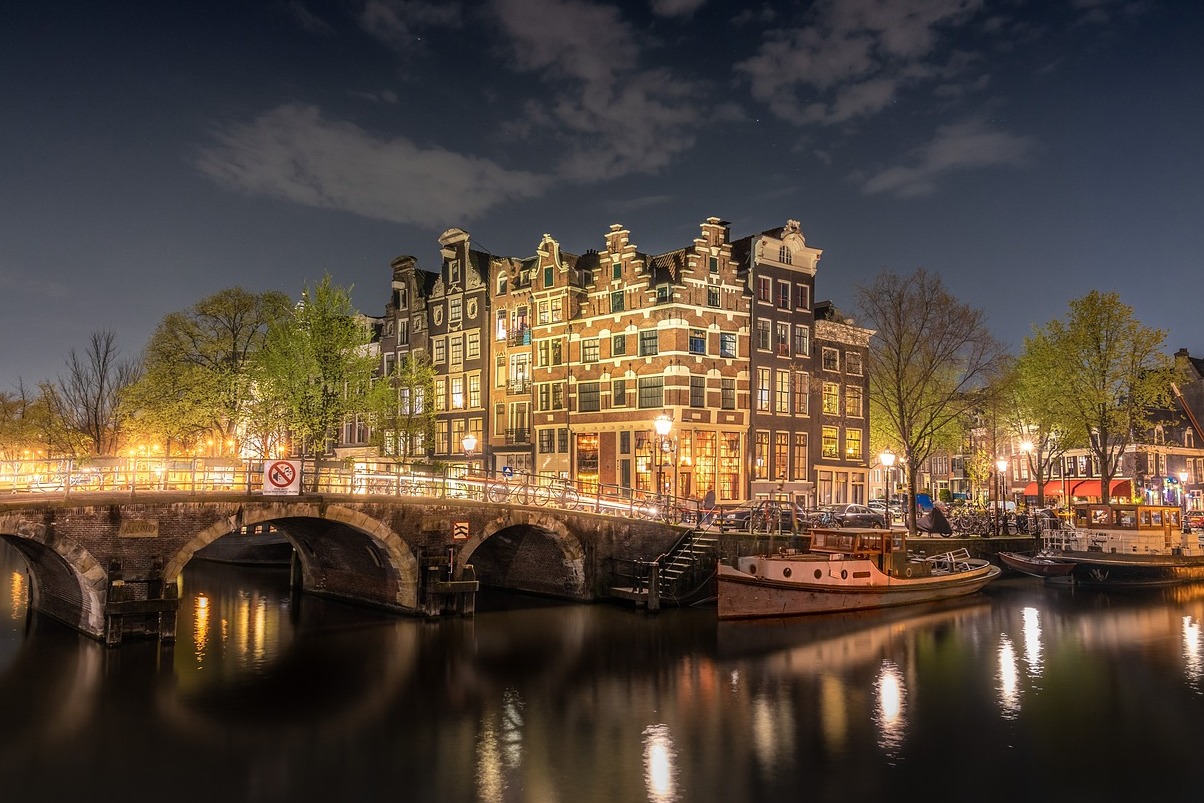
For an unforgettable experience, consider taking a night cruise to see the bridges illuminated against the night sky. Be sure to stop at the Magere Brug (Skinny Bridge), recognized as one of the most romantic spots in the city, where couples often linger to enjoy the view.
To navigate the city efficiently, the GVB public transport system is highly recommended, and purchasing an Amsterdam Card can grant access to various attractions and unlimited public transportation.
In a city where every corner tells a story, the canals of Amsterdam are a captivating narrative waiting to be explored. Use the Secret World app to create a personalized AI itinerary for your visit to this enchanting destination.


