



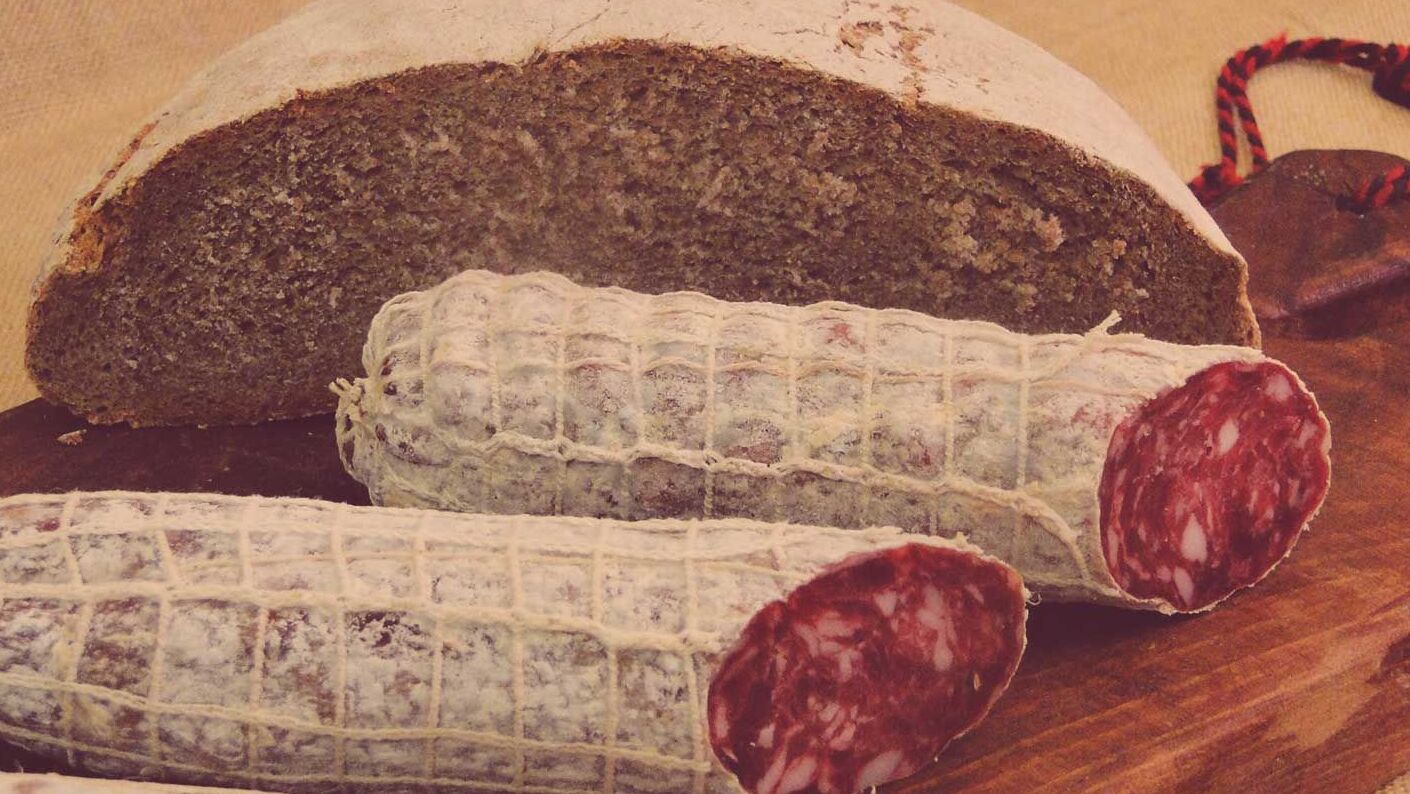
Nestled in the heart of the Aosta Valley in northwestern Italy, the Valdostana sausage (saouseusse valdostane) is more than just a culinary delight; it is a testament to the region's rich history, culture, and artisanal craftsmanship. This traditional cured meat has evolved from a necessity into a cherished specialty, illustrating the resourcefulness of the valley's inhabitants.

### History and Origins
The origins of the Valdostana sausage can be traced back to the necessity of preserving all parts of the animal for sustenance. Historically, the Aosta Valley's harsh winters required innovative methods to ensure food security. The practice of making sausages likely dates back to the Roman era, where curing meats was essential for survival. By the Middle Ages, local farmers and families had refined the art of sausage-making, perfecting recipes that utilized less desirable cuts of meat, particularly from pork and beef.

Over centuries, the craft of making saouseusse valdostane has been passed down through generations, with each family adding its unique touch while adhering to traditional methods. The sausage became especially popular in the region as it provided a high-protein food source during long winters, and its popularity has only grown over time.
### Art and Architecture
While the Valdostana sausage itself does not have architectural significance, the region's landscape and buildings tell a story of its own. The Aosta Valley is characterized by its medieval castles, Roman ruins, and charming villages, all set against a backdrop of towering peaks. The Castello di Fenis, with its well-preserved architecture, offers a glimpse into the region's feudal past, while the Roman Theatre of Aosta reflects the historical significance of the area as a hub of ancient civilization.
Artisans in the valley also express their creativity through traditional crafts, such as woodcarving and weaving, which often accompany the culinary arts. The interweaving of food and craft highlights the cultural significance of the Valdostana sausage beyond the plate, as it embodies a lifestyle steeped in history and tradition.
### Local Culture and Traditions
Cultural customs in Aosta Valley are vibrant, with festivals that celebrate both the landscape and culinary heritage. One of the most notable is the Fête de la Saint-Vincent, held in January, which honors the patron saint of wine and showcases the region’s rich viticulture. During this festival, residents and visitors alike indulge in local delicacies, including the sought-after Valdostana sausage.
Another cherished tradition is the Fiera di Sant'Orso, a two-day craft fair held in late January. This event features local artisans and their creations, promoting the region's cultural identity. Here, you can often find the sausage alongside other local products, emphasizing the importance of community and tradition in Aosta Valley.
### Gastronomy
The Valdostana sausage is a culinary staple that cannot be overlooked. Made from finely minced beef and pork lard, it is seasoned with a harmonious blend of salt, pepper, garlic, cloves, cinnamon, and nutmeg. This unique combination of spices creates a flavor profile that is both robust and aromatic.
Typically served as an appetizer, the sausage is best enjoyed with a selection of local cheeses and breads on a traditional tagliere (platter). Pair it with a glass of Doux d'Annecy, a fruity red wine from the region, to enhance the tasting experience. The sausage's preservation methods, including a curing process that lasts over 40 days in well-ventilated rooms, give it a distinctive character that is highly prized, especially in winter.
### Lesser-Known Curiosities
One fascinating aspect of the Valdostana sausage is its historical preservation method involving lard. In the past, glass containers filled with lard were used to store sausages, allowing them to remain moist and flavorful. This practice is a remarkable example of resourcefulness and sustainability, ensuring that no part of the animal went to waste.
Additionally, the Aosta Valley is home to several small-scale producers who continue to craft sausages using traditional techniques. Many of these artisans welcome visitors for tours, offering insights into their processes and the history of the sausage, which most tourists might overlook.
### Practical Visitor Information
The best time to visit the Aosta Valley is during the winter months, especially from December to March, when the region's winter sports are in full swing. However, late spring and early autumn also provide opportunities to explore the valleys and enjoy local food festivals.
When planning your visit, consider stopping by local markets or festivals, where you can sample fresh Valdostana sausage and other regional delicacies. Engaging with local producers can also enhance your experience, as they often share stories and insights about their craft.
To navigate the rich culinary heritage of the Aosta Valley and plan your personalized itinerary, consider using the Secret World app for tailored recommendations that will lead you to the best local experiences.
