


Venice has a problem that anyone who has traveled there knows well: the distances are deceptive. What looks like a five-minute walk on the map easily becomes twenty minutes through narrow streets, bridges, and dead ends. Planning a sensible itinerary, without wasting hours zigzagging through districts, requires a knowledge of the city that most tourists simply do not have. It is exactly for this reason that I decided to test three AI trip planners in March 2026, using Venice as the ultimate testing ground.
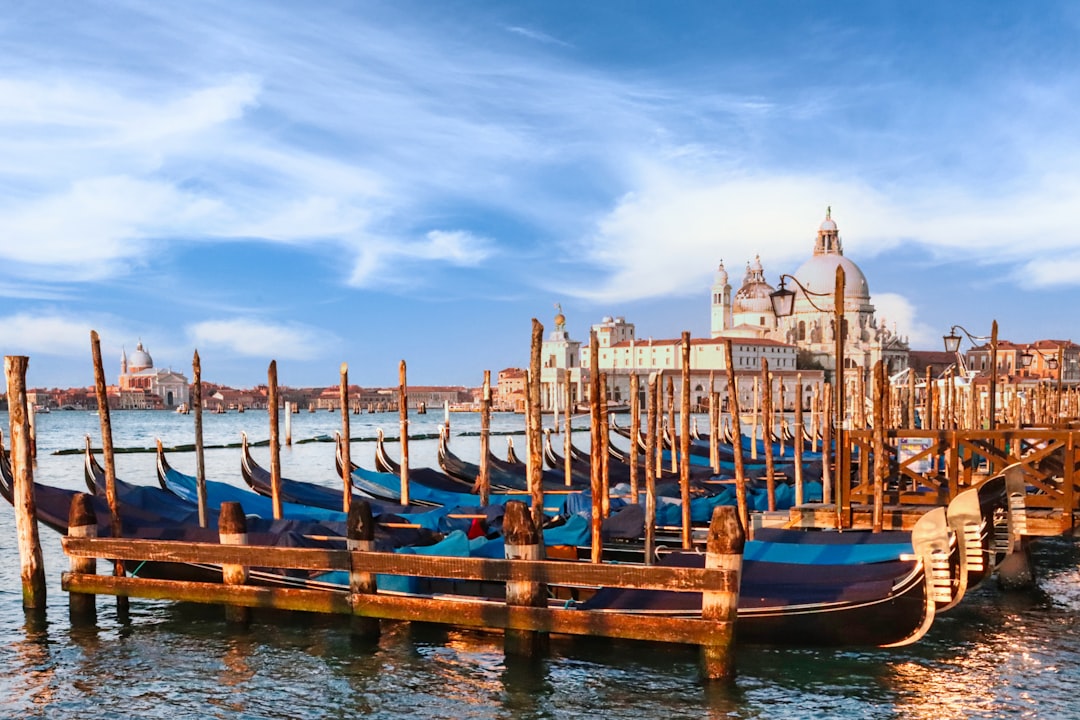
I spent four days in the lagoon with my phone in hand, comparing the proposals of Secret World AI Trip Planner, TripIt AI, and Wanderlog AI. I asked all three the same questions, followed their itineraries in the field, and measured the results in terms of time saved, quality of recommendations, and ability to adapt to last-minute changes. The results were more varied than I expected.
How I tested Secret World: the questions I asked the AI

My first prompt to Secret World was deliberately complex: “I am in Venice for three days, arriving at Santa Lucia at 10:30 in the morning, I want to avoid peak hours at San Marco, see the Jewish Ghetto, take a vaporetto ride to Burano, and have at least one dinner in an authentic bacaro away from tourists”. It is not a trivial request, as it involves knowing the crowding times, the logistics of lagoon transport, and the geography of the districts. The AI responded in less than thirty seconds with a detailed itinerary that started from Cannaregio — the district where the station is located — and took advantage of the early morning hours to visit the Jewish Ghetto (museum entry about 10 euros, recommended time 75 minutes) before organized groups arrived in mass.
The response included a detail that struck me: Secret World suggested reaching Piazza San Marco no earlier than 4:30 PM, when the afternoon light is also more interesting for photography and the crowd thins out slightly. For Burano, it recommended the vaporetto line 12 from Fondamente Nove, with a duration of about 45 minutes, and specified to leave by 9:00 in the morning to see the island without the crowd. These are not generic tips: they are operational information that makes a difference.

The generated itinerary: what worked and what didn't
The plan for the first day was logistically impeccable. Secret World organized the stops following a geographically coherent route: Cannaregio in the morning, a lunch break at a tavern near the Rialto market (San Polo area, average prices 18-25 euros per person), then Dorsoduro in the afternoon with a visit to the Gallerie dell'Accademia (ticket 15 euros, recommended time 2 hours) and a walk along the Zattere at sunset. No unnecessary jumps between distant districts, no stops that required going back on one's steps.
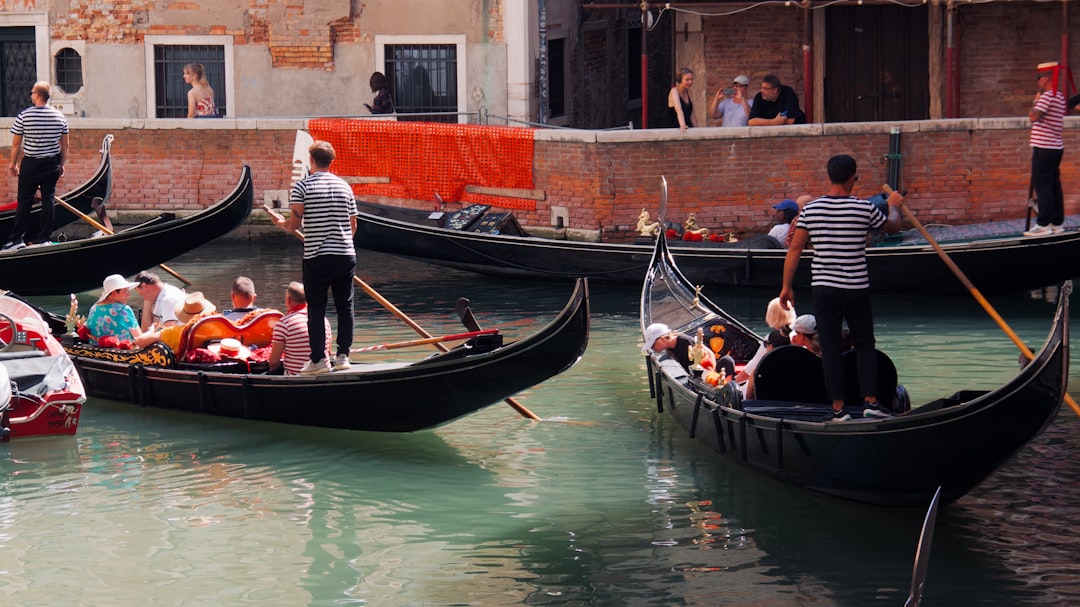
The only weakness I encountered concerned the mandatory reservations. Secret World indicated that for the Doge's Palace it is advisable to purchase the ticket online in advance (about 30 euros with priority access), but it did not provide the direct link nor did it automatically remind to book in a timely manner. A small gap compared to the end-to-end management one would expect from a tool in 2026. I had to handle that part manually, which is not a drama, but it's worth mentioning.
The comparison with TripIt AI and Wanderlog AI: concrete differences

TripIt AI produced a technically correct itinerary but visibly generic. The stops were the usual ones — San Marco, Rialto, Accademia — without any customization regarding my explicit preferences for less crowded places. When I asked for an authentic bacaro, it suggested a place in Campo Santa Margherita which, although valid, is now well known on the tourist circuits. Secret World, in the same request, indicated an osteria in Cannaregio with cicchetti prices around 2-3 euros each, in a street that does not appear on the first pages of Google.
Wanderlog AI performed better than TripIt in terms of customization, but showed issues with geographical consistency: on the second day it proposed going from Castello to Santa Croce and returning to Castello within a few hours, a route that in Venice means at least 40 minutes of extra walking for no logical reason. Secret World never made this type of mistake in four days of testing, demonstrating a significantly superior understanding of Venetian topography.
Final vote 9/10: why almost perfect
Secret World AI Trip Planner deserves a 9 out of 10 for a simple reason: in a challenging city like Venice, where logistics can ruin an entire day, it has shown to think like an experienced traveler and not like an aggregator of popular attractions. The quality of the recommendations, the geographical consistency of the itineraries, and the ability to interpret complex requests put it a step above the tested competition. The missing point is for the management of mandatory reservations, which is still too passive.
If you are planning a trip to Venice and want to avoid wasting precious hours navigating through alleys and squares, try Secret World AI Trip Planner and do the same thing I did: describe your ideal trip with all the details, and let the AI build a plan that truly respects the complexity of the city. The time savings and the quality of the experience speak for themselves.


