
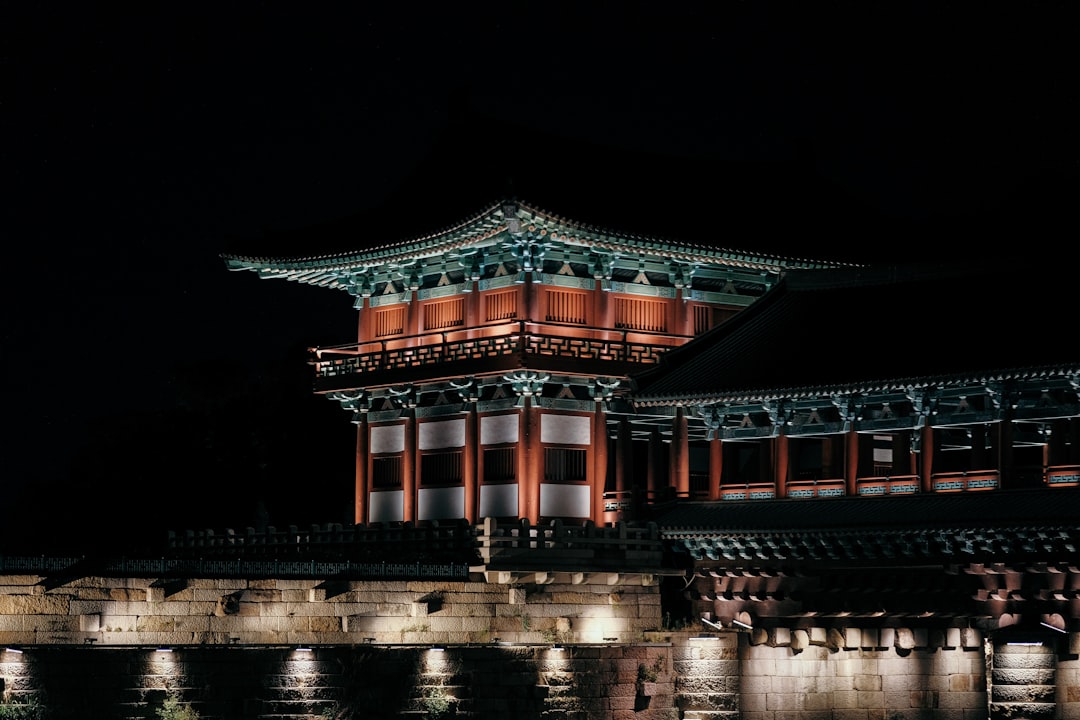

Located in the historic city of Gyeongju, Anapji Pond is a place of extraordinary beauty and cultural significance. This architectural marvel dates back to the Silla dynasty, which dominated Korea for much of the first millennium AD. Gyeongju, the capital of this ancient kingdom, is a true treasure trove of historical gems, and Anapji Pond represents one of its focal points. Visiting it means immersing oneself in centuries of history and contemplating the harmony between nature and architecture.
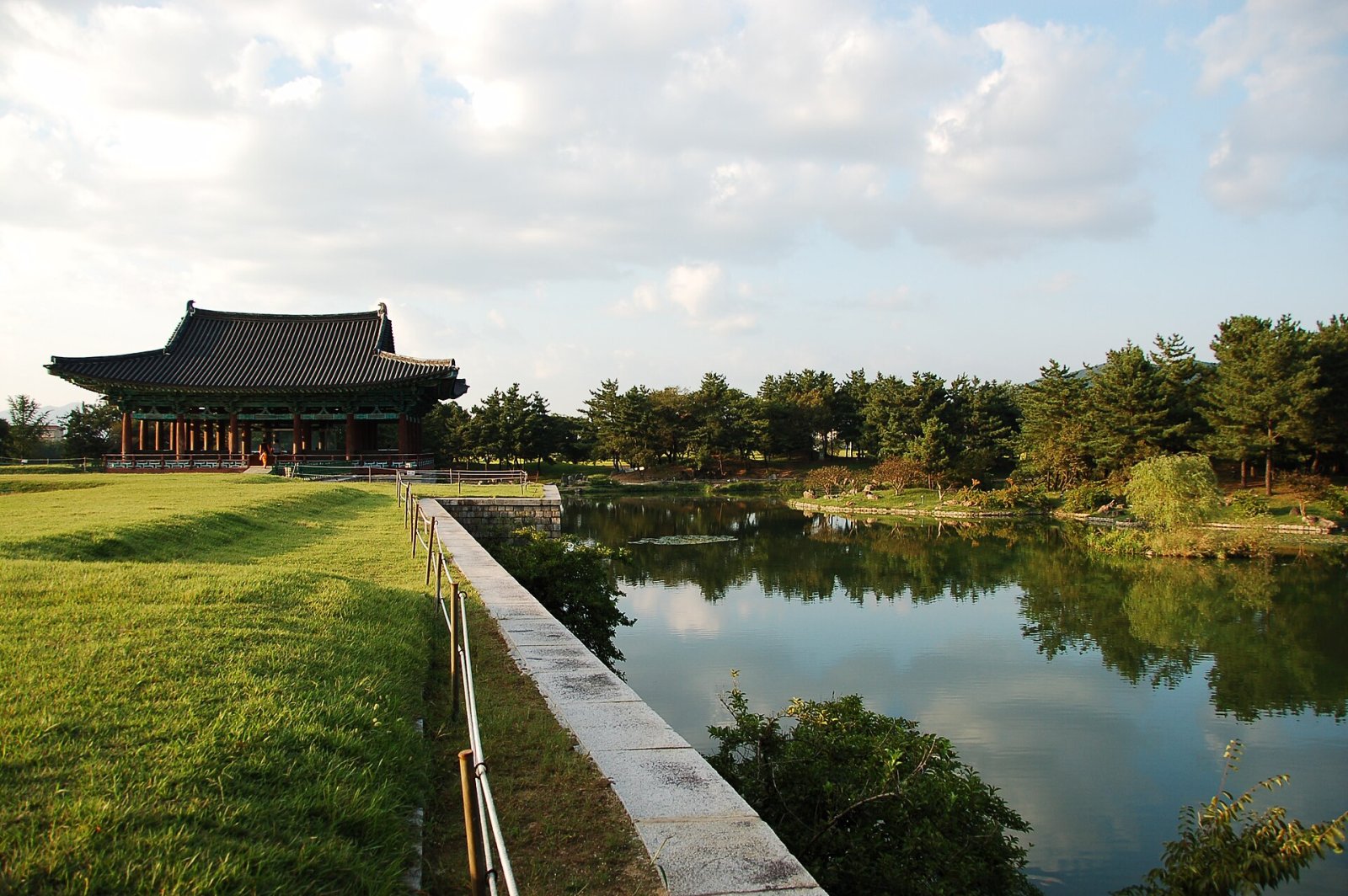
The artificial lake, surrounded by lush gardens, was originally part of a palace complex, used by nobles and the court for leisure and contemplation. Today, Anapji Pond is a symbol of the grandeur of the Silla kingdom and a place that attracts visitors from around the world, eager to discover the beauty of its landscapes and the historical importance it holds.
History and Origins
Anapji Pond, also known as Donggung, was built during the peak of the Silla kingdom, which ruled the Korean peninsula from 57 BC to 935 AD. This artificial lake is not only an example of hydraulic engineering but also a gathering place for the nobility, where parties and celebrations took place. Its creation reflects the Silla's ability to integrate natural beauty with architectural design, creating an environment that embodies the aesthetics of the era.
Over the centuries, Anapji Pond has undergone various restorations and modifications, especially after its rediscovery in the 20th century. Its historical significance has been recognized internationally, leading to its inclusion in the UNESCO World Heritage list. This recognition has contributed to its preservation and the promotion of Korean historical culture.


