
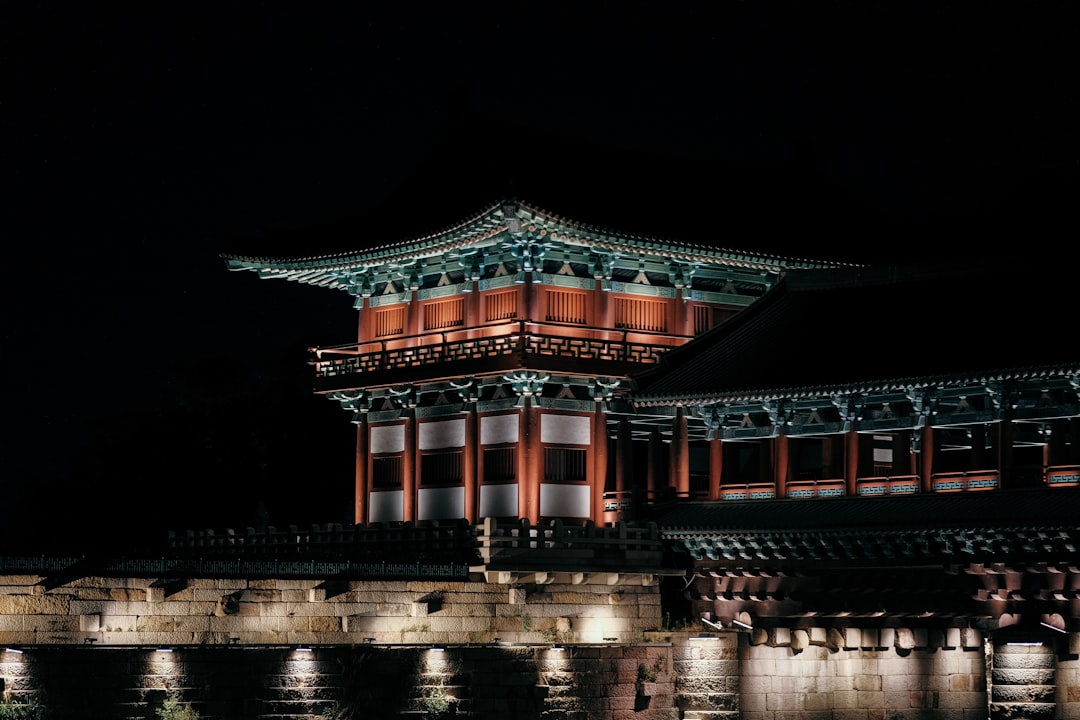

Gyeongju, known as the capital of the Silla kingdom, is one of the most historic cities in South Korea. Located in North Gyeongsang province, this ancient metropolis is a true open-air museum, encapsulating centuries of Korean history and culture. With its fascinating ruins and historical monuments, Gyeongju attracts visitors from around the world each year, eager to discover the wonders of a glorious past.

The city, which played a central role in Korea's history for nearly a millennium, was the hub of Silla civilization, one of the three ancient Korean dynasties. Today, Gyeongju is recognized as a UNESCO World Heritage site, thanks to its extraordinary cultural heritage that continues to captivate scholars and tourists alike.
History and Origins

Gyeongju was the capital of the Silla kingdom for much of the first millennium AD, a period during which the city developed as an important political, cultural, and religious center. Under the guidance of powerful and visionary kings, Gyeongju became a crossroads of cultural exchanges, where Buddhism flourished and profoundly influenced the art and architecture of the region. The testimonies of this era are visible in the numerous temples and monuments that dot the urban landscape.
During its peak, Gyeongju was famous for its imposing royal tombs and palaces, many of which have been preserved over time. The city witnessed the construction of extraordinary structures such as Hwangnyong Temple and the famous Seokgatap Pagoda, symbols of the artistic and architectural greatness of the Silla kingdom. Today, these historical sites not only tell the story of a bygone era but also offer a glimpse into Korean cultural identity.
Must-See Attractions
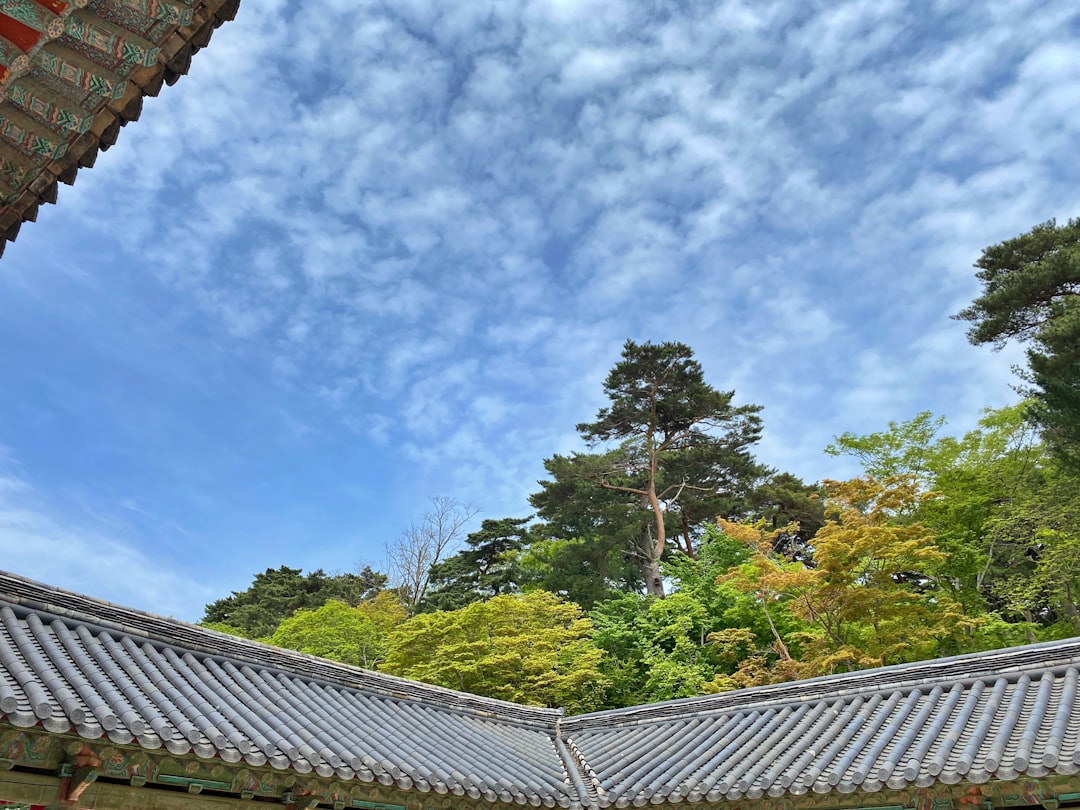
Among the must-see places in Gyeongju, Gyeongju National Park hosts a series of burial mounds, known as the Daereungwon Tombs, which are the tombs of the kings and queens of Silla. These mounds, covered in grass and surrounded by a serene landscape, offer a picturesque view and invite reflection on the greatness of a distant past. Not far away is the Gyeongju National Museum, which houses a vast collection of historical artifacts, including art objects and relics that tell the story of daily life during the Silla kingdom.
Another site of great importance is Bulguksa Temple, a masterpiece of Buddhist architecture, which has been designated a World Heritage site. Its beauty and architectural complexity are a clear sign of the craftsmanship of the time. The nearby Seokguram Grotto, with its statue of Buddha, represents another extraordinary example of Silla's spirituality and art, attracting visitors in search of peace and contemplation.
Why It's Interesting Today
Today, Gyeongju is not only a place of historical interest but also a vibrant city that manages to blend its rich cultural heritage with modernity. Cultural events and festivals celebrating local history and traditions offer visitors a unique opportunity to immerse themselves in contemporary Korean culture. Strolling through the streets of Gyeongju, one can discover cafes and restaurants serving traditional dishes, allowing for a taste of local gastronomy.
Moreover, Gyeongju is an ideal starting point for exploring other attractions in the region, such as the beautiful coasts of the Yellow Sea and the surrounding mountains, which offer opportunities for hiking and outdoor activities. The city, with its combination of history, culture, and natural beauty, represents an unmissable destination for those wishing to discover the true essence of South Korea.
To facilitate travel planning, the Secret World app can be a useful tool for exploring Gyeongju and discovering its hidden treasures.


