
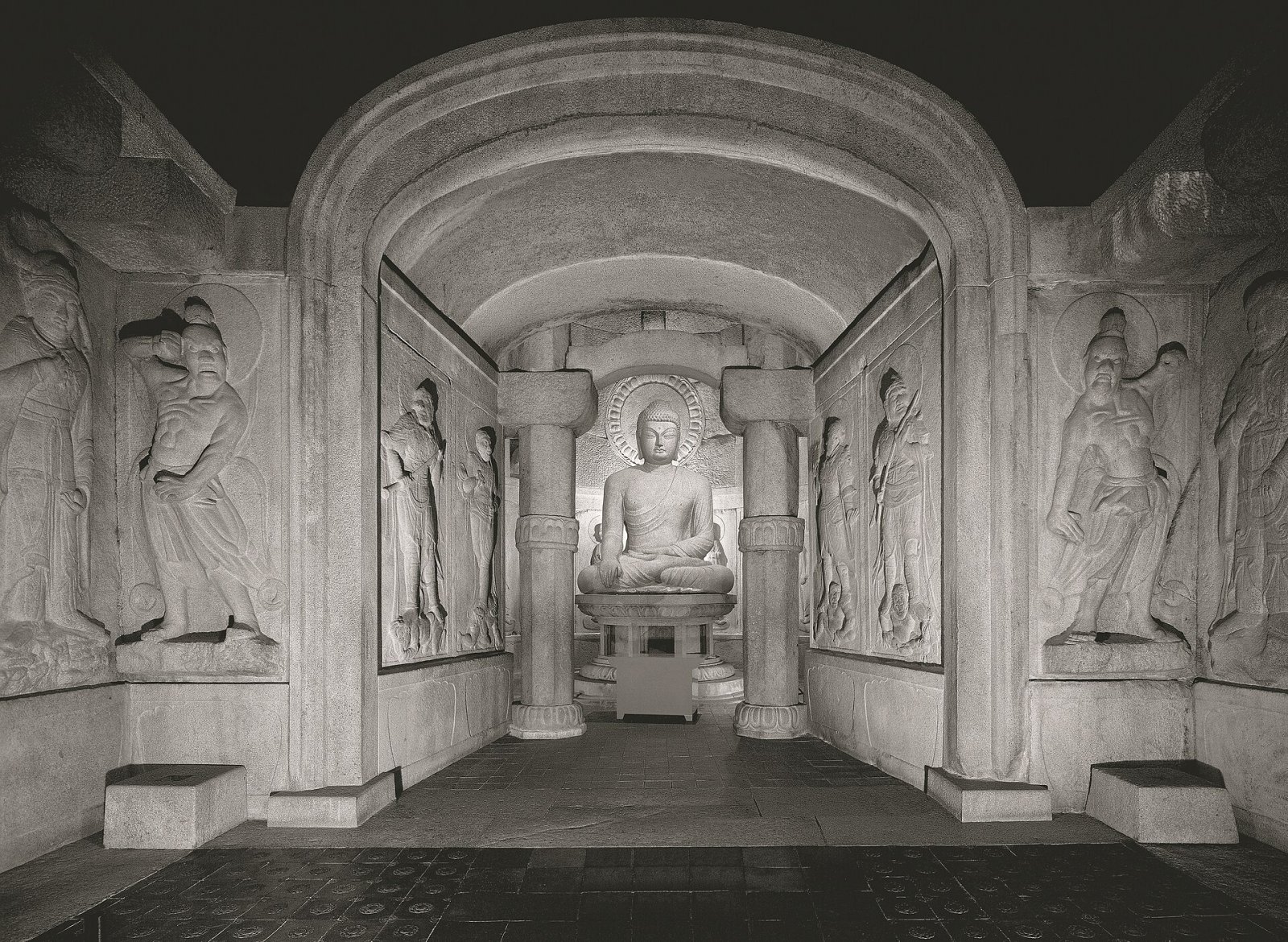

Set in the natural beauty of the North Gyeongsang region, Seokguram Grotto is one of the most fascinating places to visit in South Korea. Located near the historic city of Gyeongju, this grotto is a masterpiece of Buddhist art, dating back to the Silla dynasty, which dominated the region for centuries. Its strategic location offers not only breathtaking views of the surrounding environment but also a deep connection to Korean spirituality and culture.

Seokguram Grotto was designed to house a large statue of Buddha, surrounded by figures of bodhisattvas and deities, all sculpted with a craftsmanship that leaves one speechless. This site, recognized by UNESCO as a World Heritage Site, is an exceptional example of religious architecture and ancient engineering, continuing to attract visitors from around the world.
History and Origins
Seokguram Grotto was built in the 8th century during the peak of the Silla dynasty, one of the three ancient dynasties of Korea. This period is characterized by intense artistic and cultural activity, which gave rise to works of extraordinary beauty. The grotto was conceived as a place for meditation and reflection, a sacred environment where the faithful could approach the divine.
Its construction is attributed to a Buddhist monk who, according to tradition, wished to create a spiritual refuge that could withstand the passage of time. The complexity of the structure, made up of carefully sculpted and assembled granite blocks, testifies to the skill of the artisans of the time and their dedication to creating a work that could elevate the human spirit.


