
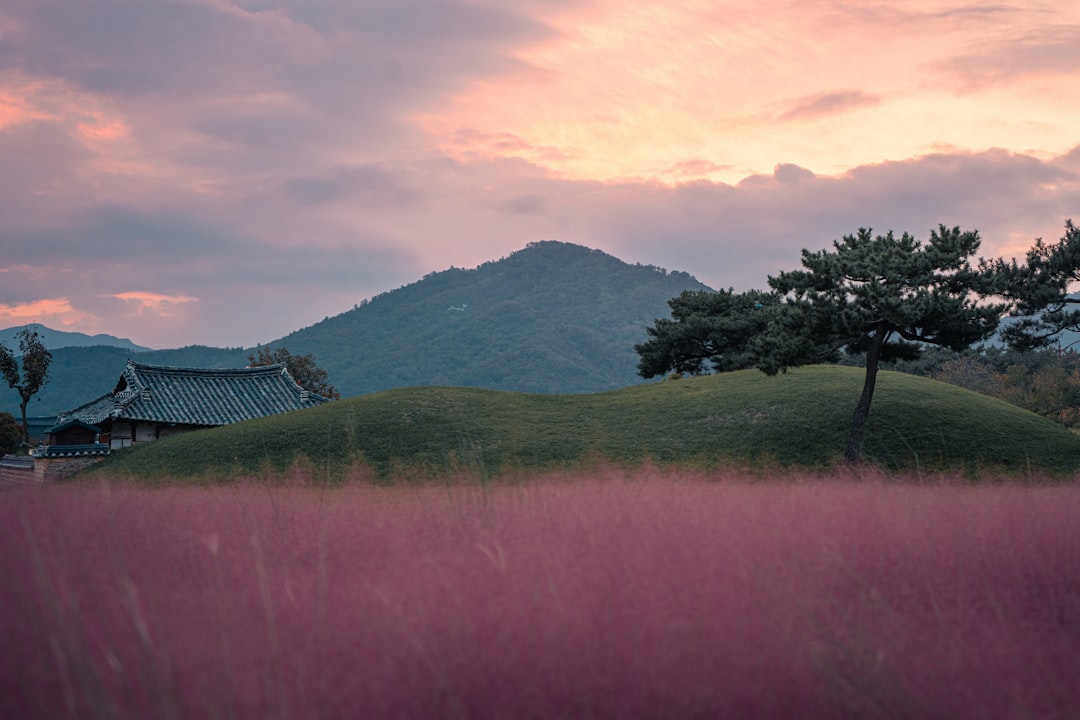

In the heart of South Korea, Gyeongju stands as a true treasure trove of history, a witness to a glorious past. Among its many treasures, Tumuli Park is undoubtedly one of the most fascinating places to visit. This park, which houses a series of burial mounds dating back to the Silla kingdom period, offers a unique opportunity to immerse oneself in the culture and traditions of an era that profoundly shaped Korean history.

Gyeongju, formally romanized as Kyongju, is located in North Gyeongsang province and was the capital of the Silla kingdom for nearly the entire first millennium of the Common Era. The city is considered one of the main destinations for those wishing to explore the historical roots of Korea, and Tumuli Park is one of its main attractions.
History and Origins
Tumuli Park is known for its imposing mounds, which are the tombs of the nobles and kings of the Silla kingdom. These mounds, many of which date back to the period between 57 BC and 935 AD, have been discovered and studied by archaeologists over the years, revealing a cultural heritage of invaluable worth. Their construction is a clear example of the funerary techniques of the time and the deep spirituality that characterized Silla culture.
Each mound represents not only a burial site but also a symbol of the power and wealth of its inhabitants. The size and shape of the mounds vary, and some are adorned with stones and terracotta, distinctive signs of the craftsmanship of the era. The discovery of precious objects within these tombs has provided valuable insights into the daily life and spiritual beliefs of the Silla.
Elements to Observe
Within Tumuli Park, visitors can admire several tombs, the most famous of which is Cheonmachong, meaning "tomb of the celestial horse." This tomb was discovered in 1973 and contained numerous artifacts, including an elaborate bronze horse. Visiting this mound offers a direct glimpse into the life and traditions of a bygone era, making the park a place of great historical significance.
In addition to the mounds, the park is surrounded by beautiful natural landscapes, making it an ideal place for quiet walks and reflections. The well-maintained paths allow for easy exploration of the park, while the sight of the mounds rising majestically against the sky is a breathtaking experience. The beauty of the park is enhanced by the presence of ancient trees and flowers that bloom in spring, creating an enchanting atmosphere.
Why It Is Interesting Today
Today, Tumuli Park represents not only an important historical testament but also a place for reflection on Korean culture. Its significance has been recognized internationally, having been designated a UNESCO World Heritage Site in 2000. This recognition has helped attract visitors from around the world, eager to explore Korea's rich cultural heritage.
In an era where globalization tends to homogenize cultures, Tumuli Park offers a rare opportunity to explore the deep roots of an ancient civilization. A visit to the park is not just a journey into history but also an invitation to understand the importance of preserving cultural heritage and historical memory.
Practical Information for Visitors
Tumuli Park is easily accessible and located in the center of Gyeongju, making it a must-visit stop for anyone visiting the city. Opening hours are generally from 9:00 AM to 6:00 PM, but it is advisable to check in advance, as they may vary depending on the season. Admission is charged, but the cost is moderate and definitely worth it for the experience it offers.
For a complete visit, it is advisable to dedicate at least a couple of hours to the park, to calmly explore the various mounds and enjoy the natural beauty of the place. Finally, for those who wish to further enhance their experience, the Secret World app offers detailed information and useful tips to discover all the secrets of Gyeongju.


