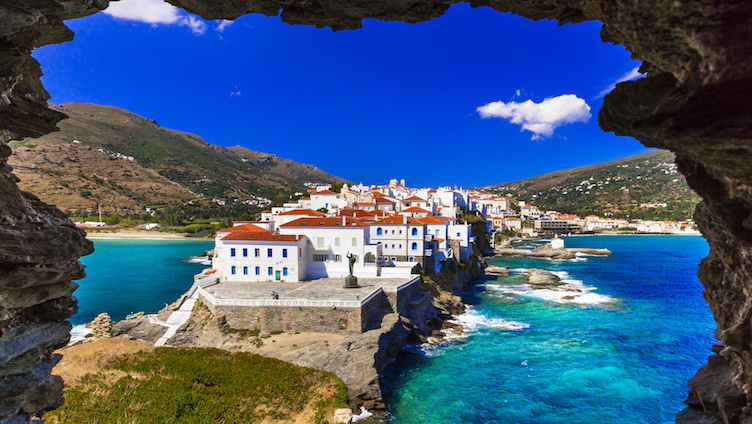

Andros, often overshadowed by its more famous Cycladic neighbors, is a treasure trove of history, culture, and natural beauty. Known as the birthplace of the great philosopher Aristotle, this island offers a unique blend of ancient heritage and vibrant local life that beckons travelers seeking an authentic Greek experience.
### History and Origins
The history of Andros is rich and multifaceted. Archaeological findings indicate that the island was inhabited as early as the Neolithic period. It played a significant role during the Classical era, particularly noted for its maritime prowess. During the Persian Wars, Andros sided with the Persians against Athens, which led to its temporary decline. However, the island found its footing again, thriving during the Hellenistic period and the Roman Empire as a center for trade.
In the Middle Ages, Andros was under the influence of various rulers, including the Venetians and the Ottomans, which left a lasting impact on its architecture and culture. The island has also been home to various notable figures, including the poet Andreas Karkavitsas, who celebrated its beauty in his works. Today, visitors can explore remnants of its storied past, from ancient ruins to medieval fortresses, each whispering tales of a bygone era.
### Art and Architecture
What sets Andros apart from other Cycladic islands is its distinctive architectural style. The capital, Chora, is a showcase of neoclassical mansions adorned with intricate facades, stone-paved alleys, and vibrant bougainvillea. The island's architecture diverges from the typical whitewashed buildings of the Cyclades, featuring a rich blend of Venetian, Byzantine, and traditional Greek influences.
One of the architectural highlights is the Kato Kastro, a medieval castle that offers panoramic views of the Aegean Sea. Visitors can also admire the Museum of Contemporary Art, which houses an impressive collection of Greek art from the 19th century to the present, showcasing the island's commitment to nurturing its artistic legacy.
### Local Culture and Traditions
Andros is imbued with a strong sense of cultural identity. The island celebrates various festivals throughout the year, including the Feast of Agios Georgios in April, which features traditional music, dance, and local delicacies. The Andros International Festival of the Sea occurs every August, celebrating the island's maritime heritage with boat races, exhibitions, and cultural performances.
The locals, known for their hospitality, preserve age-old customs, including the art of shipbuilding and fishing. Many families still engage in traditional crafts, such as weaving and pottery, which are integral to the island’s cultural fabric. The spirit of Andros is palpable in its vibrant community life, which reflects a deep reverence for its history and traditions.
### Gastronomy
The gastronomy of Andros is a delightful reflection of its natural bounty. Traditional dishes feature fresh seafood, locally sourced vegetables, and the island's renowned feta cheese. A must-try dish is Moussaka, a layered casserole made with eggplant, minced meat, and béchamel sauce, often infused with local herbs.
Don't miss the opportunity to taste Savoury Pie, a delicious pastry filled with greens and cheese, or Kavourmas, a local meat dish seasoned with spices. For dessert, Halva, a sweet made from semolina and nuts, is a fragrant way to end a meal. Pair these with local wines or the famous Retsina, a resinated wine that complements the island's flavors beautifully.
### Lesser-Known Curiosities
While many visitors flock to popular beaches and attractions, some hidden gems remain undiscovered. The Monastery of Panachrantos, nestled in the mountains, offers a serene escape with breathtaking views and a chance to glimpse monastic life. The island is also home to a unique geological phenomenon called the “Kedros Forest,” where ancient cedar trees grow in striking formations, providing a breathtaking backdrop for hikers.
Another interesting fact is that Andros has a network of hiking trails that connect various villages, making it a paradise for those who appreciate nature. Many of these paths are lined with wildflowers and lead to secluded beaches, allowing visitors to experience the island's untouched beauty away from the crowds.
### Practical Visitor Information
The best time to visit Andros is during the spring (April to June) and early autumn (September to October). The weather is pleasantly warm, ideal for exploring its trails and beaches without the summer rush. Ferries from Athens are frequent, making it easily accessible for a weekend getaway or a longer stay.
When visiting, be sure to bring comfortable walking shoes, as the island's beauty is best explored on foot. Don't hesitate to engage with the locals; their stories and recommendations can enhance your experience and help you uncover the island's hidden wonders.
Andros is not just a destination; it’s a journey through time, culture, and nature. For a personalized travel experience to discover the island's many facets, consider using the Secret World app to plan your itinerary in Chora Andros.
