
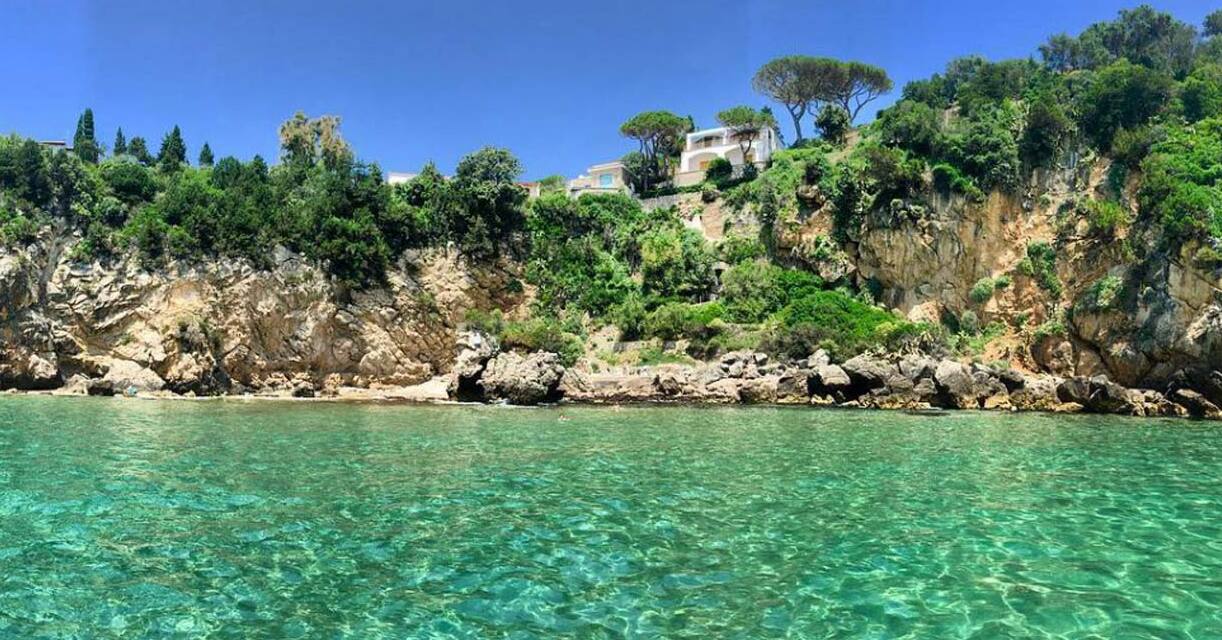

Perched on the stunning Tyrrhenian coast of Italy, the Beach of 40 Oars in Gaeta is a hidden gem that whispers tales of ancient mariners and captivates with its natural beauty. This secluded beach, accessible only by boat or a challenging swim, derives its name from the forty strokes of an oar needed to reach its sandy shores. Though small in size, it holds a significant allure, especially for those who seek the thrill of diving into crystal-clear waters and exploring the vibrant marine life beneath.
Gaeta itself is steeped in history, dating back to ancient Roman times. The town was a favored retreat for Roman nobility, and its strategic location made it a point of military interest throughout the centuries. The Beach of 40 Oars likely served as a quiet refuge for sailors and fishermen, nestled away from the bustling activity of Gaeta's main harbor. Over the years, it has maintained this sense of seclusion, offering a glimpse into the timeless, untouched beauty of the Italian coastline.
The allure of Gaeta is not only in its natural scenery but also in its remarkable art and architecture. The town is home to numerous historical structures, such as the Sanctuary of Montagna Spaccata, a dramatic cliffside chapel with stunning views over the sea. While the beach itself may lack man-made structures, its surroundings are a testament to Gaeta's artistic heritage. The architecture in Gaeta reflects a blend of Roman, Gothic, and Baroque influences, offering a rich tapestry for those interested in historical aesthetics.
Culturally, Gaeta and its beaches are vibrant with local customs and traditions. The town hosts several festivals throughout the year, celebrating everything from religious events to local culinary delights. Visitors might time their visit to coincide with the Sagra delle Olive, a festival dedicated to the region's beloved olives, where the air is filled with the aroma of freshly pressed olive oil, a staple in local cuisine.
Speaking of gastronomy, the flavors of Gaeta are as enticing as its landscapes. Indulge in Tiella, a savory pie filled with octopus or vegetables—a local favorite that speaks to the area's seafood bounty. Pair it with Gaeta olives, prized for their rich flavor and often used in traditional Italian dishes. To complete your meal, sip on a glass of local Cesanese wine, a robust red that perfectly complements the region's culinary offerings.
For those seeking lesser-known curiosities, the Beach of 40 Oars holds a few secrets. Legend has it that the beach was a clandestine meeting point for lovers in the past, shielded by the steep cliffs that guard its entrance. Its isolation also makes it a prime spot for observing the area's unique flora and fauna, offering a natural escape from the more crowded beaches nearby.
Practical visitor information is essential for those planning to uncover this hidden jewel. The best time to visit is during the late spring and early autumn when the weather is mild, and the waters are calm. Renting a small boat from the main harbor in Gaeta is the most straightforward way to access the beach. For the adventurous, a swim from the nearby beaches can be exhilarating but requires strong swimming skills due to the currents.
While visiting, look out for the distinctive rock formations that frame the beach, each telling its own story shaped by the relentless waves over millennia. Keep an eye out for the vibrant marine life that calls the area home, from colorful fish to playful dolphins that occasionally grace the waters.
In essence, the Beach of 40 Oars is not just a destination but an experience—a chance to connect with the timeless allure of the Italian coast, steeped in history and natural wonder. Whether you're drawn by its tranquil seclusion, historic echoes, or the promise of adventure, this hidden beach in Gaeta offers a unique blend of serenity and intrigue, a true treasure for those who venture beyond the beaten path.


