
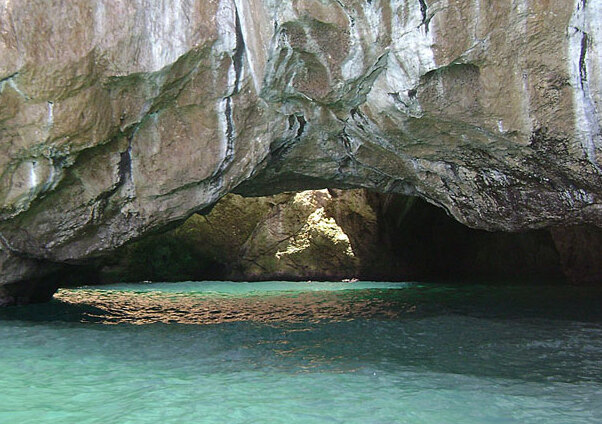

Tucked away along the striking coastline of Gaeta, Italy, lies a hidden gem steeped in myth and beauty: the Pozzo del Diavolo, or Devil's Well. This natural wonder, situated between Fontania Beach and the cove leading to Forty Remi Beach, captivates visitors with its enchanting stories and stunning geological features.
History and Origins
The history of the Devil's Well is as mysterious as its name suggests. Local lore suggests that it earned its devilish moniker because, after the death of Christ, the Devil sought refuge within its depths, leaving behind an opening that led directly to hell. This connection to dark mythology has made the cave a focal point of local folklore for centuries.
Another story tells of the discovery of a devilish face carved into the rock within the cave, further cementing its association with the supernatural. Alternatively, the cave is known as Pozzo delle Chiavi—the Well of the Keys. This name is thought to stem from the tragic tales of betrayed husbands who tossed the keys to their homes into its waters, symbolizing the lost trust and broken vows.
The Devil's Well isn’t just an emblem of local tales; it has also played a role in the region's maritime history. Gaeta, once a significant port during the Roman Empire, saw the cave used by sailors and fishermen for shelter from storms. Its strategic location made it a vital point of interest, blending myths with the practicalities of seafaring life.
Art and Architecture
The architectural splendor of the Devil's Well lies not in man-made structures but rather in the cave's natural formations. The entrance, wide enough for small boats to pass through, opens up to a vast subterranean chamber. Above the surface, the rocky cliffs create a dramatic backdrop, while below the water, the depths reveal a unique marine ecosystem filled with life.
While no significant artworks adorn the cave itself, the surrounding area showcases the artistry of nature. The layered rock formations and vivid colors reflect the geological history of the region. The interplay of light and shadow creates an ethereal atmosphere, inviting visitors to explore its depths and appreciate the artistry of the natural world.
Local Culture and Traditions
In Gaeta, local customs flourish alongside the stories of the Devil's Well. The town hosts several festivals that highlight its rich cultural heritage. One notable event is the Festa di San Francesco, celebrated in early October, which includes a procession and various festivities that pay homage to local patron saints.
Additionally, the traditions surrounding fishing and maritime life remain deeply rooted in Gaeta's identity. Fishermen still share tales of their encounters with the supernatural, often attributing good catches to blessings from the spirits of the sea.
Gastronomy
The culinary offerings of Gaeta are a feast for the senses, deeply intertwined with the sea that surrounds it. Visitors should indulge in Tiella, a savory pie filled with rice, potatoes, and various seafood options, showcasing the region's bountiful maritime harvest.
Another local delicacy is Pasta alla Gaetana, a dish featuring fresh pasta with clams, garlic, and a splash of local white wine, embodying the flavors of the coast. To wash it all down, don't miss out on Limoncello, a sweet lemon liqueur that perfectly complements the region's vibrant citrus fruits.
Lesser-known Curiosities
While many tourists flock to the more popular attractions in Gaeta, the Devil's Well holds secrets that often go unnoticed. For instance, the underwater life around the cave is a haven for divers and snorkelers, with diverse species and unique rock formations waiting to be discovered.
Moreover, the cave has been a site of intrigue for adventurers and researchers alike. Some scientists believe that the submerged sections of the cave may hold clues to the region's geological past, making it a point of interest for those studying Earth's history.
Practical Visitor Information
The best time to visit the Devil's Well is during the spring and early autumn months when the weather is mild and the crowds are fewer. Early morning or late afternoon provides the best lighting for photography, enhancing the cave's dramatic features.
When planning your visit, consider bringing a small boat or joining a local tour to explore the cave from the water. This perspective allows for a closer look at its unique formations and the underwater ecosystem. Don't forget your snorkeling gear if you're keen to dive below the surface!
In the end, the Pozzo del Diavolo is not just a cave but a portal into the rich tapestry of Gaeta's history, culture, and natural beauty. For a personalized itinerary to explore this enchanting region, consider using the Secret World app to uncover hidden gems and local favorites.


