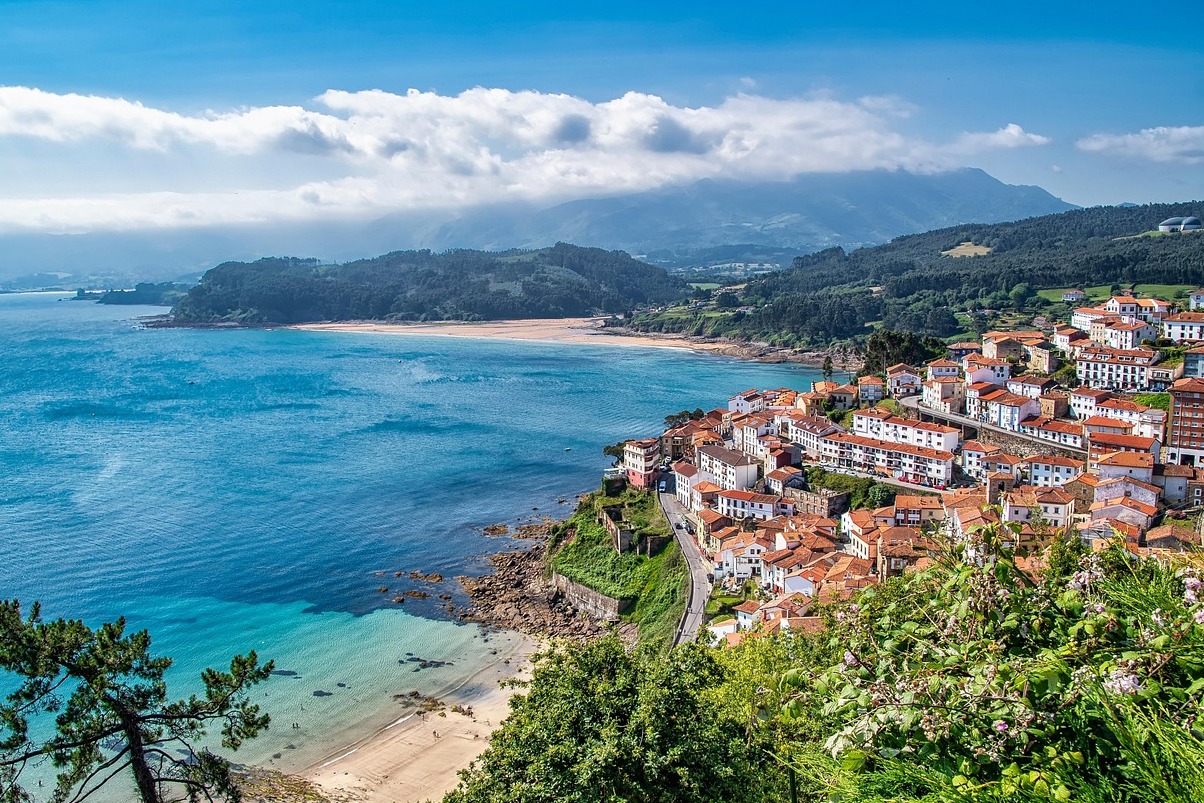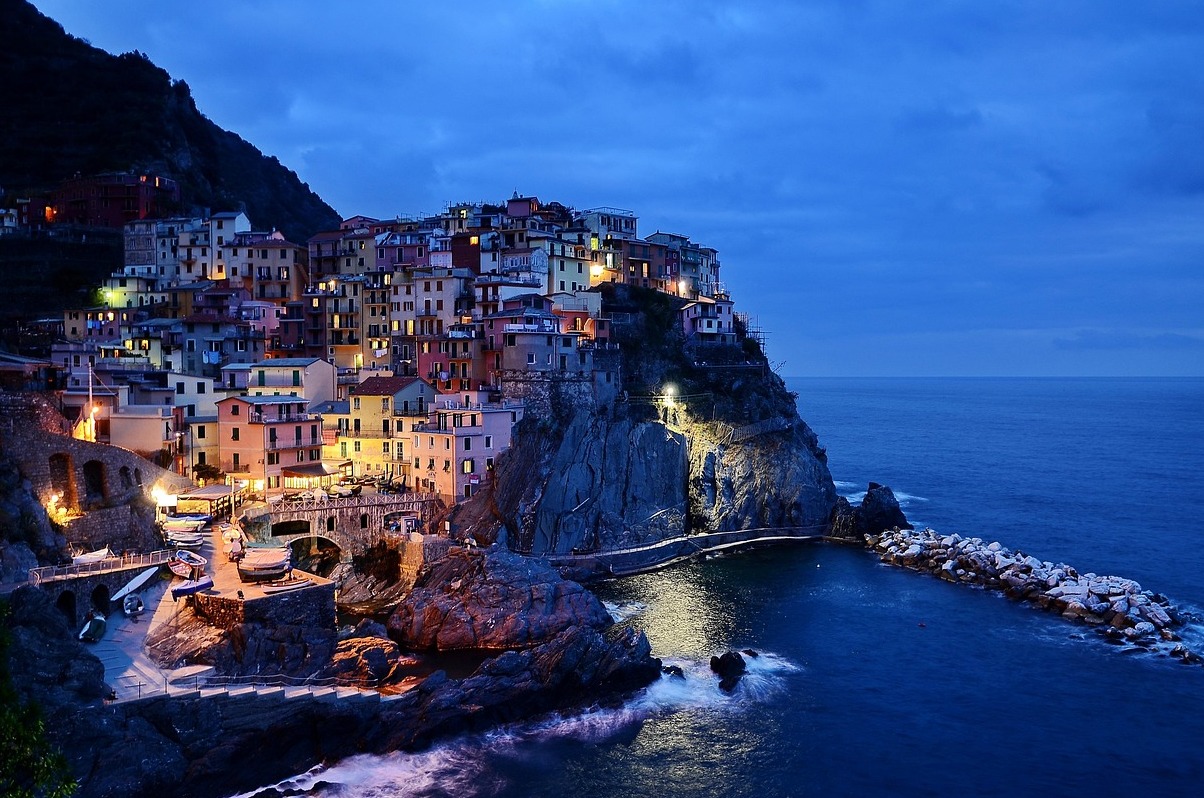
Nestled along the breathtaking Mediterranean coast of Lazio, Formia is a gem that beautifully bridges the distance between Rome and Naples. With its roots embedded in antiquity, this charming village offers visitors a glimpse into the past while presenting the vibrant lifestyle of contemporary Italy.
### History and Origins
The story of Formia begins in ancient times, when it was founded by the Laconi, a people of Greek descent. The name stems from the Greek word Ὁρμίαι (hormiai), which translates to "landing place." This strategic coastal location made it an ideal harbor, and as the Romans came to power, it was known as Formiae. The village thrived during the Roman Republic, becoming a favored retreat for aristocrats seeking respite from the bustling cities. Its significance was underscored during the Second Punic War when Hannibal famously used the Appian Way, which runs through Formia, to launch his campaigns against Rome in 216 BC.
The village's historical tapestry is woven with notable figures such as Cicero, who had a villa in the area, further cementing its status as a haven for Roman elite. By the imperial era, Formia was renowned as a luxurious resort, frequented by emperors and their families.
### Art and Architecture
Formia showcases a delightful blend of architectural styles, reflecting its storied past. The Church of San Giovanni, dating back to the 10th century, is a prime example of Romanesque architecture, characterized by its sturdy stone walls and ornate bell tower. Inside, visitors can admire stunning frescoes that depict biblical scenes, remnants of the village’s rich artistic heritage.
Not far from the church lies the Villa of Cicero, although much of it is now in ruins, the site still captivates historians and visitors alike, inviting them to imagine the opulence of Roman life. The remains of ancient Roman villas dot the coastline, offering a glimpse into the luxurious lifestyles enjoyed by the elite.
### Local Culture and Traditions
The cultural fabric of Formia is woven with local customs and traditions that have been preserved through generations. One of the most vibrant celebrations is the Feast of the Madonna del Sorresca, held annually in September. This event combines religious fervor with local pride, featuring a colorful procession through the streets, traditional music, and dance, culminating in a communal feast that showcases local delicacies.
Another significant tradition is the Sagra della Nocciola (Hazelnut Festival), celebrated in August. This festival not only highlights the region’s agricultural bounty but also serves as a gathering for locals and visitors to enjoy local music, crafts, and, of course, a variety of hazelnut-infused treats.
### Gastronomy
Formia’s culinary scene is a delightful reflection of its coastal geography and rich agricultural hinterland. Seafood is a staple, with dishes such as spaghetti alle vongole (spaghetti with clams) and frittura di pesce (fried fish) taking center stage. Locals often source their ingredients from the nearby markets, ensuring freshness and quality.
The region is also known for its olive oil, produced from ancient groves that thrive in the Mediterranean climate. Pair it with pane di Formia, a rustic bread that is a staple at every meal, and you have the perfect representation of local gastronomy.
Don’t miss out on trying mozzarella di bufala, a creamy delicacy that pairs well with local tomatoes and basil, creating a refreshing Caprese salad that embodies the flavors of Lazio.
### Lesser-known Curiosities
While Formia is celebrated for its beaches and ancient ruins, it also harbors lesser-known curiosities. One such gem is the Tomb of the Unknown Soldier, a memorial dedicated to soldiers who lost their lives during World War I. This poignant tribute is set against the backdrop of the stunning coastal landscape, offering a moment of reflection amidst the beauty.
Furthermore, the Appian Way that runs through Formia is lined with ancient tombs and milestones, revealing the historical significance of this route. Many tourists miss the chance to walk a section of this remarkable road, which provides a direct connection to the hearts of ancient Rome.
### Practical Visitor Information
The best time to visit Formia is during the spring (April to June) and early autumn (September to October) when the temperatures are pleasant, and the crowds are thinner. These seasons allow for a comfortable exploration of both the natural beauty of the coastline and the historical sites without the sweltering heat of summer.
When visiting, be sure to explore the local markets, where you can find artisanal products and fresh produce. Take leisurely strolls along the beach promenade, and don’t hesitate to engage with the friendly locals, who are often eager to share stories about their beloved village.
To truly enhance your experience, consider downloading the Secret World app to plan a personalized AI itinerary, ensuring you uncover all the hidden treasures Formia has to offer.