
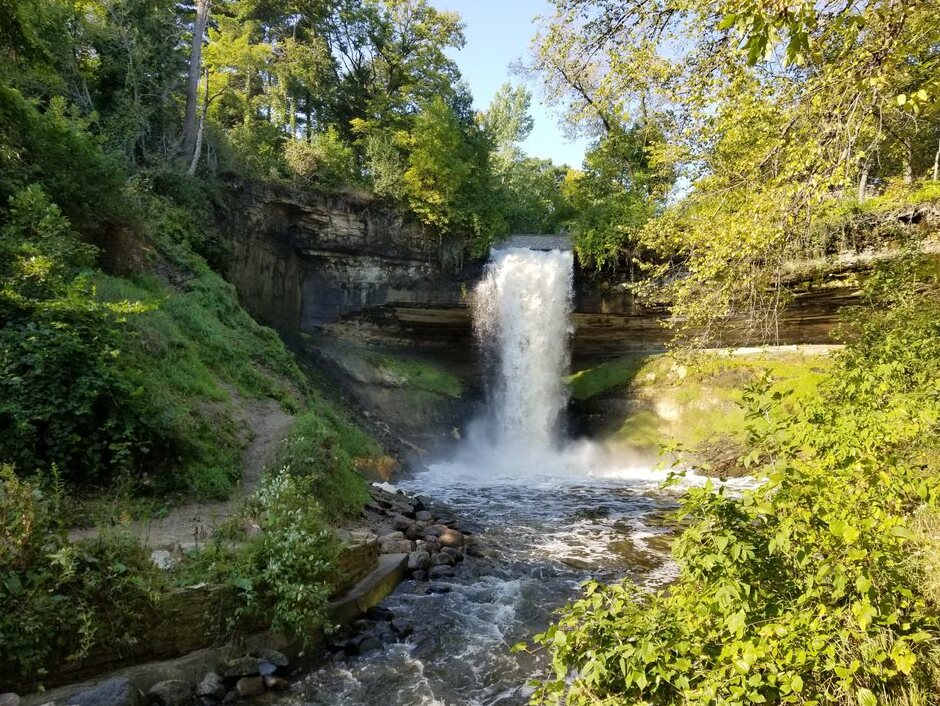

Nestled in the heart of Minneapolis, the enchanting Minnehaha Falls offers a captivating blend of natural beauty and rich cultural history. This 53-foot waterfall, located within the sprawling Minnehaha Park, is a beloved landmark that draws visitors from around the world. The falls are not just a scenic spectacle but a place steeped in the tales of the past, artistic inspiration, and vibrant local traditions.
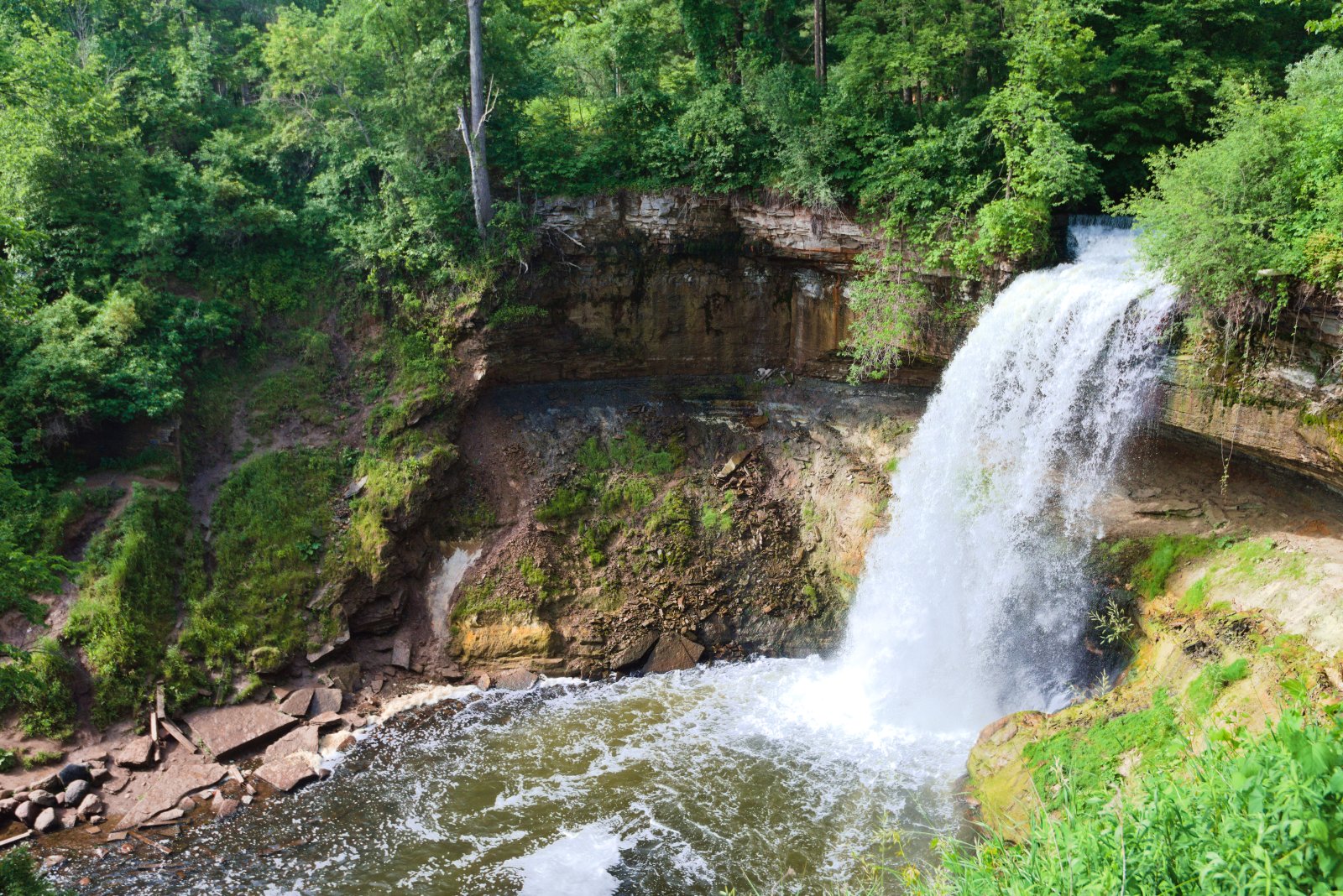
The history of Minnehaha Falls is deeply intertwined with the Indigenous Dakota people, who originally inhabited the area. The name "Minnehaha" is derived from the Dakota language, meaning "curling water" or "waterfall." The falls gained national recognition in the 19th century through Henry Wadsworth Longfellow's epic poem "The Song of Hiawatha," which romanticized the site, despite Longfellow never visiting it. Established as a park in 1889, Minnehaha Falls has since been a cherished public space, reflecting Minneapolis's dedication to preserving its natural landscapes amidst urban growth.
Architecturally, Minnehaha Park showcases a harmonious blend of naturalistic and human-made elements. The park's design follows the City Beautiful Movement, with winding pathways and strategically placed viewing points that emphasize the waterfall's natural splendor. A quaint stone bridge near the falls serves as both a practical crossing and a picturesque backdrop for photographs, embodying the park's aesthetic of blending seamlessly with its surroundings.
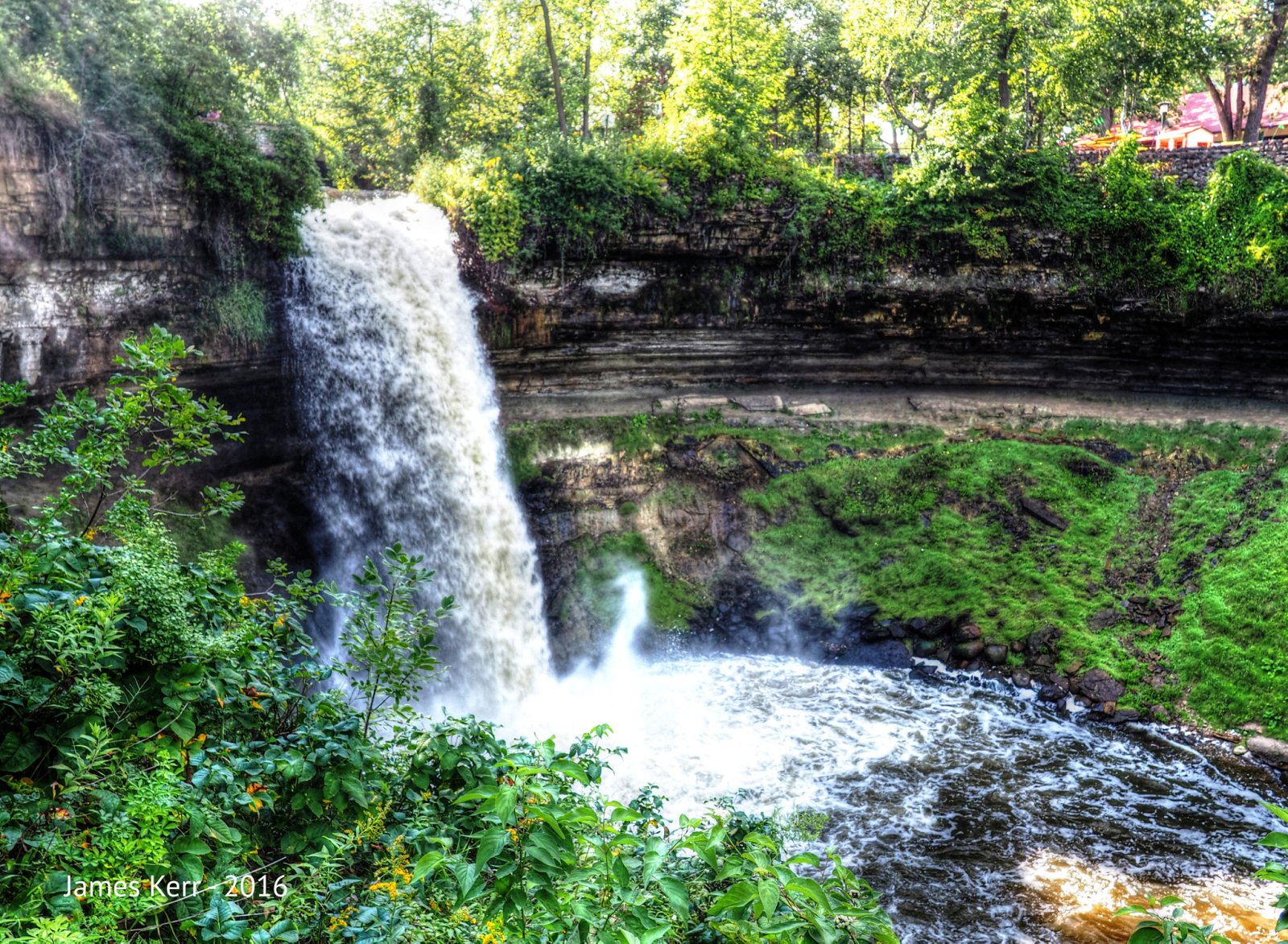
Culturally, Minnehaha Falls is a focal point for local traditions and events. The park hosts numerous festivals throughout the year, celebrating everything from local history to seasonal changes. The Minnesota Fringe Festival, though not exclusively held at the falls, often features performances and events in the park, drawing artists and audiences to this natural amphitheater. Visitors can often find locals enjoying picnics, live music, and community gatherings, making it a vibrant hub of Minneapolis life.
No visit to Minnehaha Falls would be complete without sampling some of the local gastronomy. The nearby Sea Salt Eatery, open seasonally, is renowned for its fresh seafood offerings, including delectable shrimp tacos and fish po' boys. This eatery perfectly complements a day at the park, offering a taste of local flavor amidst the natural beauty of the falls. Pair your meal with a local craft beer from one of Minneapolis's many breweries to fully experience the city's culinary culture.
Beyond its more apparent attractions, Minnehaha Falls harbors several lesser-known curiosities. One such detail is the John H. Stevens House, located within the park, which was the first wood-frame dwelling built west of the Mississippi River in 1849. Another hidden gem is the Longfellow House, a replica of the poet's home, serving as a museum dedicated to his contributions and the area's history. These sites offer a deeper understanding of the cultural and historical context of the falls.
For those planning a visit, the best time to experience Minnehaha Falls is in the late spring or early summer when the water flow is robust, and the park is lush with greenery. However, the falls are also a sight to behold in winter, when they freeze into a stunning ice sculpture. Visitors should wear comfortable shoes, as the paths can be uneven. Be sure to explore the entire park, as the trails lead to beautiful spots along the Mississippi River.
Minnehaha Falls is more than just a natural wonder; it's a tapestry woven with history, art, and community. Whether you are drawn by its storied past, its artistic allure, or simply the sound of cascading water, Minnehaha Falls offers a rich, multifaceted experience that resonates with all who visit.


