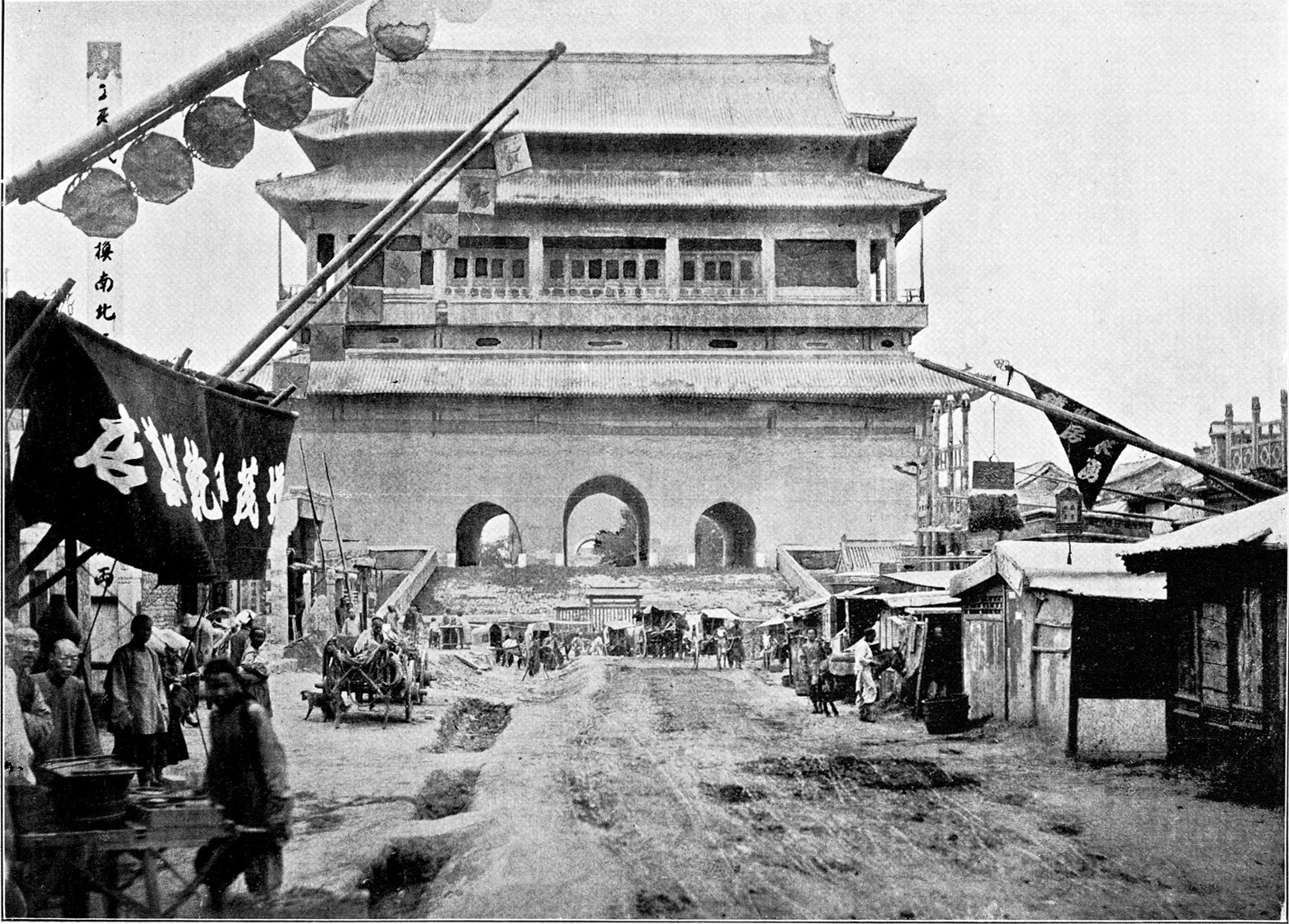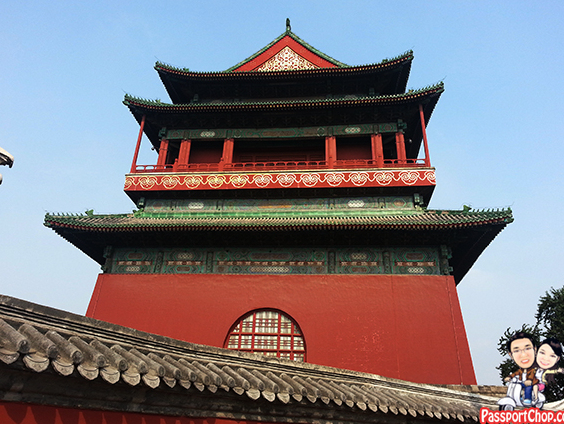

In the heart of Beijing, where the echoes of history resonate through the bustling streets, the Drum Tower stands as a majestic sentinel of time, culture, and artistry. This iconic structure, located just 110 yards (91 meters) south of the Bell Tower, is a testament to the rich tapestry of Chinese history and tradition.
### History and Origins
The Drum Tower was built in 1272 during the Yuan Dynasty under the reign of Kublai Khan, marking the establishment of Beijing as the capital of China. Originally constructed to signal the time, it played a crucial role in the daily lives of Beijingers, announcing the hours to the city's inhabitants. After the fall of the Qing Dynasty, the practice of timekeeping by the drum was abolished when Puyi, the last emperor, vacated the Forbidden City.
However, the tower's historical significance extends beyond its timekeeping function. During the Ming and Qing Dynasties, the Drum Tower was also used to herald important announcements and events. In 1990, after a long hiatus, the sweet sound of the drum returned to the city, echoing through the alleys and reminding locals and visitors alike of its storied past.
### Art and Architecture
Architecturally, the Drum Tower is a stunning example of traditional Chinese architecture. Standing at 153 feet (46.7 meters) high, it is built on a robust stone and brick base that rises 13 feet (4 meters) above ground. The vibrant colors, intricate wooden carvings, and ornate roof design exemplify the elegance of Ming architecture, with elements that reflect harmony and balance.
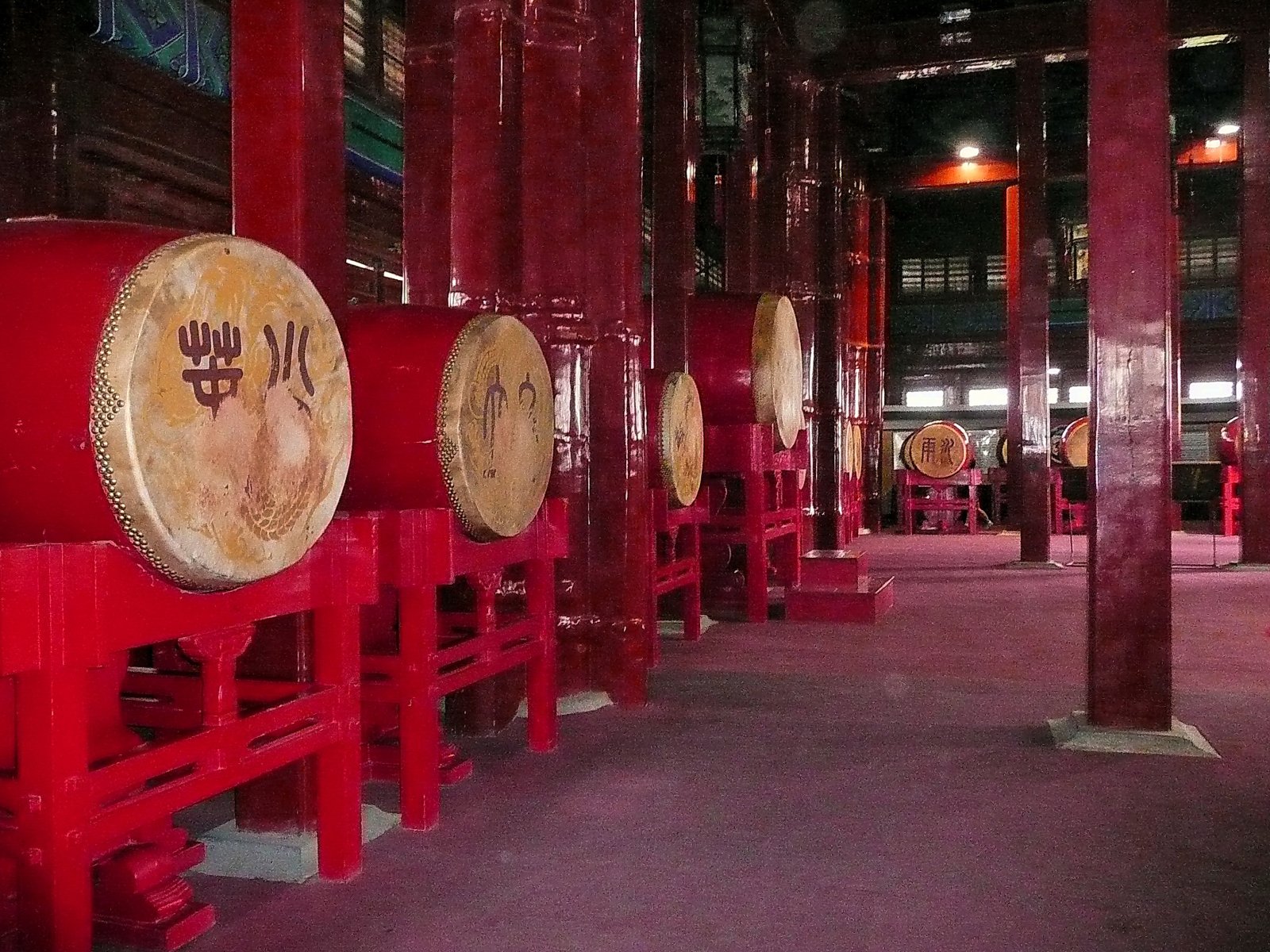
Inside, the first floor houses the China Committee for the Promotion of Minority Art, showcasing the diverse artistic traditions of China’s ethnic minorities. The second floor, which features an exhibition area, often displays artifacts and artworks that highlight the cultural richness of the region. Visitors can marvel at the impressive drum, which is the last remaining of the original ensemble of 25 drums, a symbol of the city’s historical heartbeat.
### Local Culture and Traditions
The Drum Tower is not just a historical monument; it is a vibrant part of Beijing's cultural landscape. Each year, the tower plays a significant role during the Chinese New Year celebrations, where the drum is sounded to usher in good fortune and prosperity. Locals gather to witness the ceremonial tolling, a practice that connects them to their ancestors and traditions.
Moreover, the area surrounding the Drum Tower is alive with local customs. The nearby Hutongs—narrow alleys lined with traditional courtyard homes—offer a glimpse into local life, where festivals and everyday activities intertwine. Visitors can participate in cultural experiences such as traditional tea ceremonies or calligraphy workshops, deepening their connection to the local way of life.
### Gastronomy
No visit to Beijing is complete without savoring its culinary delights, and the Drum Tower area is no exception. Nearby, you can find vendors and restaurants serving iconic dishes such as Peking Duck, renowned for its crispy skin and succulent meat. Another must-try is Jianbing, a savory Chinese crepe popular among locals, often enjoyed as a breakfast treat.
For dessert, indulge in Tanghulu, candied fruit skewers that are a sweet representation of Beijing’s street food culture. Pair these with a cup of Chinese tea, and you have a delightful culinary experience that reflects the flavors and traditions of this historic city.
### Lesser-Known Curiosities
While many visitors flock to the Drum Tower for its grand architecture and historical significance, few know that the tower was once home to a peculiar local legend. It is said that in ancient times, a young girl lived near the Drum Tower and was known for her exceptional drumming skills. Her passion for music was so great that she could summon the spirits of the past, bringing joy to her community. This tale, though likely a myth, adds an enchanting layer to the site’s already rich narrative.
Additionally, the method of beating the drum is steeped in tradition. The drum is struck quickly for 18 times and then slowly for 18 times, completing three rounds for a total of 108 tollings. This number holds significance in Buddhism, representing the cycles of existence, and evokes a sense of mindfulness among listeners.
### Practical Visitor Information
The best time to visit the Drum Tower is during the early morning or late afternoon when the sunlight casts a warm glow on its vibrant façade. Weekdays tend to be less crowded, allowing for a more intimate experience. Visitors should take the time to explore the surrounding area, where charming shops offer unique handicrafts and local delicacies.
While at the Drum Tower, don’t miss the opportunity to climb to the second floor for a panoramic view of the surrounding Hutongs and the Bell Tower. The juxtaposition of historical architecture against the backdrop of modern Beijing is a sight to behold.
To enhance your visit, consider using the Secret World app to curate a personalized itinerary that will guide you through the hidden gems and cultural treasures of this magnificent city.