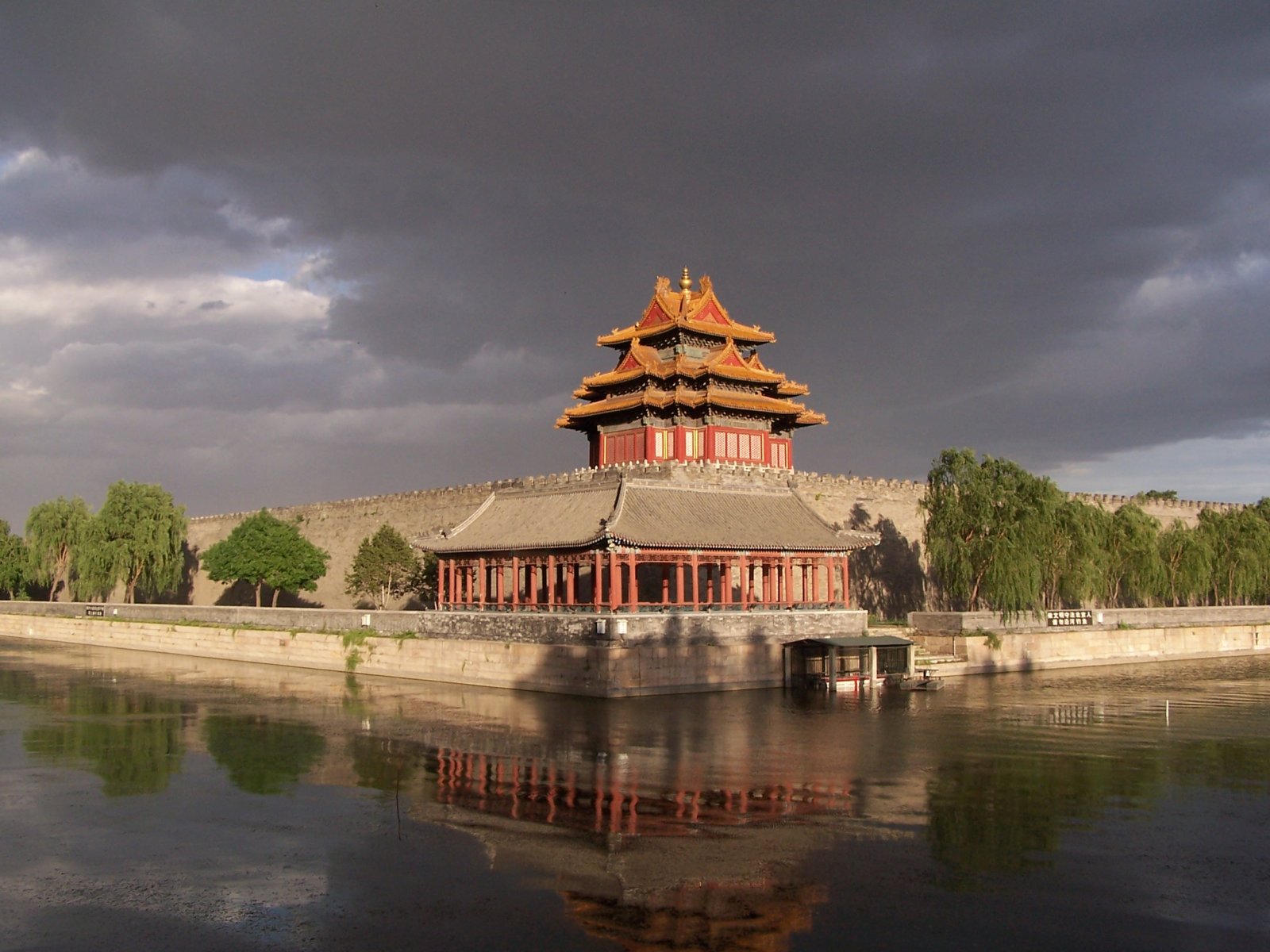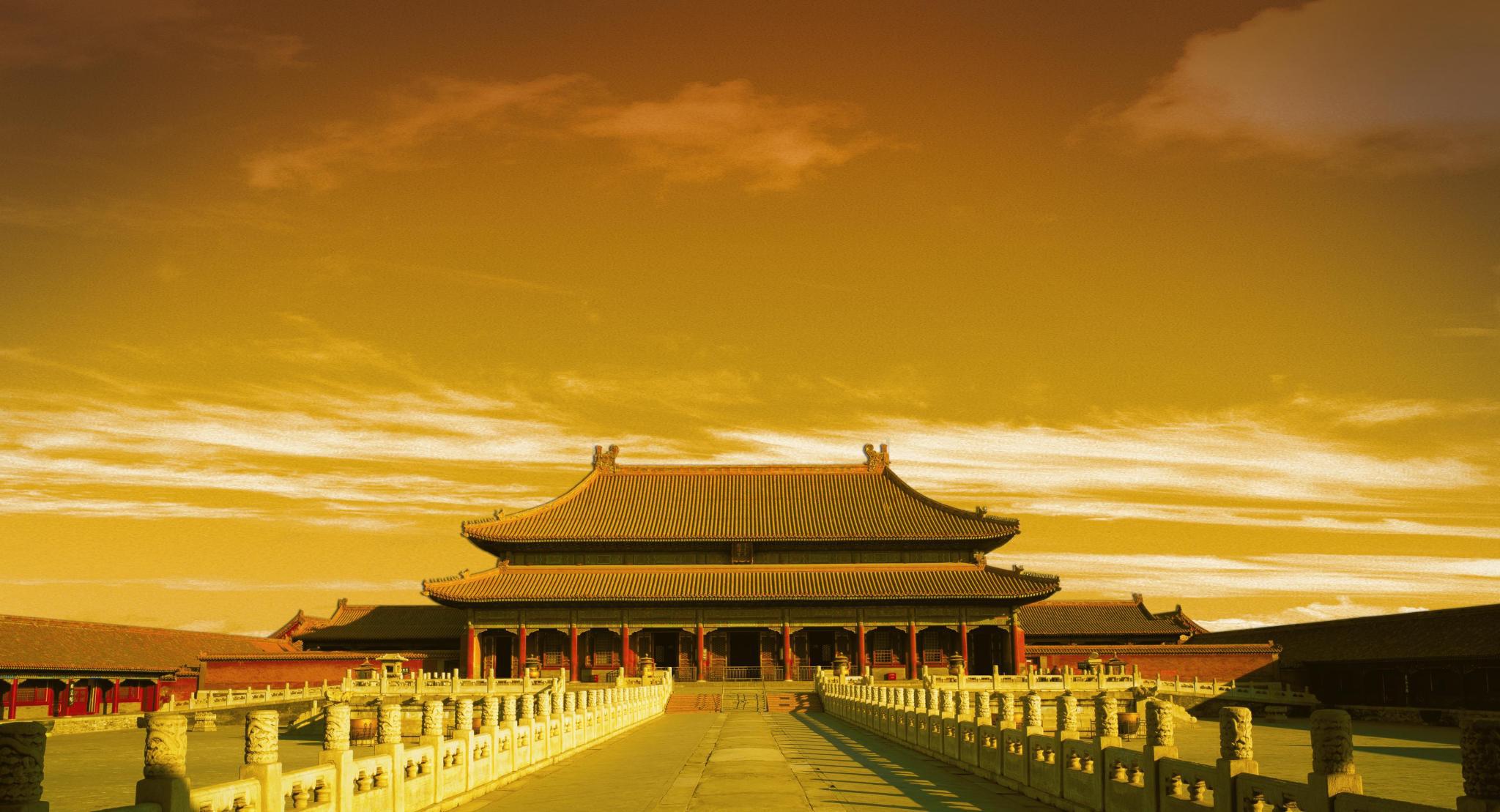

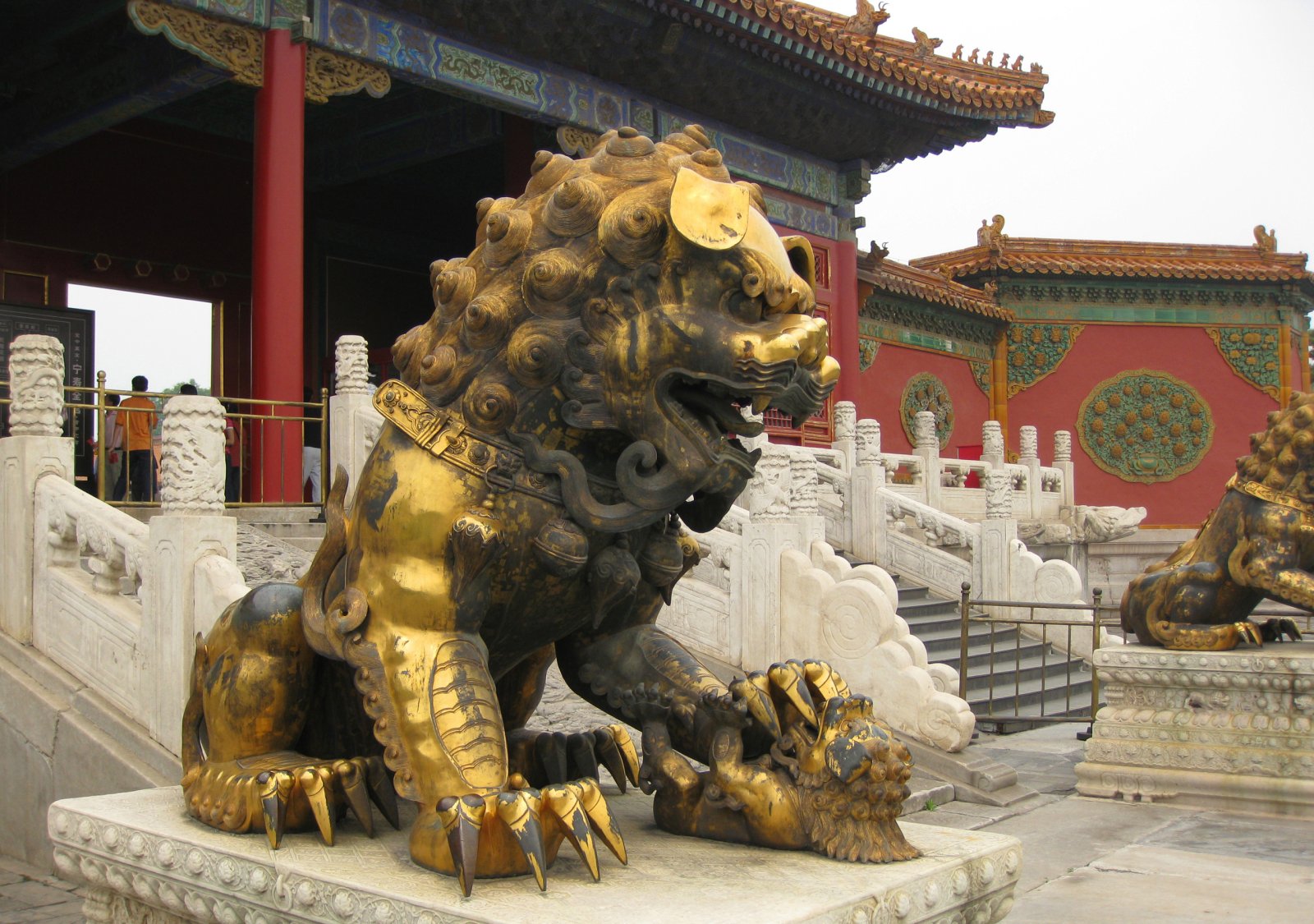
The Forbidden City doesn’t have a street address—which is only fitting for a place that was once considered the center of the universe. Nestled in the heart of Pechino, this sprawling 180-acre complex served as the imperial palace for 24 emperors of the Ming and Qing dynasties from 1420 until the end of imperial rule in 1912. Its name, derived from the fact that commoners were forbidden to enter without permission, evokes an air of mystery and majesty that still lingers today.
### History and Origins The origins of the Forbidden City date back to the early 15th century, during the reign of Emperor Yongle of the Ming dynasty. Construction began in 1406 and took 14 years to complete, employing over a million workers and utilizing materials from across the empire. The palace was designed to reflect the cosmos, embodying the ancient Chinese philosophy of harmony between heaven and earth.
Throughout its storied history, the Forbidden City has witnessed significant events, from the Opium Wars to the Boxer Rebellion. In 1912, it was no longer the residence of emperors; instead, it was transformed into a museum, known as the Palace Museum, which opened to the public in 1925. Today, it stands as a UNESCO World Heritage Site, attracting millions of visitors who seek to uncover its rich past.
### Art and Architecture The architectural style of the Forbidden City is a quintessential representation of traditional Chinese palatial architecture, showcasing intricate wooden structures, golden roofs, and vibrant colors that symbolize imperial power. The complex comprises nearly 1,000 buildings, with the Hall of Supreme Harmony being the largest and most important. This hall, where emperors conducted grand ceremonies, boasts an impressive throne made of solid gold, surrounded by exquisite carvings and beautifully painted murals.
Notable artworks include the Imperial Portraits, which depict emperors in full regalia, and the Nine Dragon Screen, a stunning wall featuring nine dragons, symbolizing the emperor's authority. The art within the Forbidden City not only reflects imperial grandeur but also serves as a testament to the craftsmanship and artistic prowess of ancient China.
### Local Culture and Traditions The Forbidden City is deeply intertwined with Chinese culture and traditions. It is a symbol of the imperial past and the cultural heritage of the nation. Festivals like Chinese New Year and the Mid-Autumn Festival are celebrated with special exhibitions, showcasing traditional performances, calligraphy, and tea ceremonies that echo the customs of the imperial court.
Visitors may also encounter local traditions such as Feng Shui practices that influenced the layout of the city, where the placement of buildings was meticulously planned to ensure harmony and prosperity.
### Gastronomy While the Forbidden City itself does not offer dining options within its walls, it is surrounded by vibrant culinary scenes that reflect Pechino's rich gastronomic heritage. The area is famous for its Peking Duck, a dish known for its crispy skin and succulent meat, often served with thin pancakes and hoisin sauce. Visitors can also savor Jianbing, a popular street food, and explore the bustling nearby markets for local snacks like Tanghulu (candied fruit on a stick).
### Lesser-known Curiosities Among the curiosities of the Forbidden City is the Emperor's Secret Garden, a tranquil space hidden from the main thoroughfare, where emperors would retreat for solitude and reflection. Additionally, the complex houses 9,999 rooms, a number believed to be auspicious, as it is one less than 10,000, which is considered the highest number in Chinese culture.
Another fascinating aspect is the Giant Bronze Cauldron, situated in front of the Hall of Supreme Harmony. This cauldron, used to collect rainwater, has a unique design that allows it to withstand earthquakes—a testament to ancient engineering.
### Practical Visitor Information The best time to visit the Forbidden City is during the spring (April to June) and autumn (September to October) when the weather is mild and favorable for exploration. Aim to arrive early in the day to avoid the crowds and take your time wandering through the vast courtyards and halls.
Consider renting an audio guide or joining a guided tour to gain deeper insights into the historical significance of various sites within the complex. Don't miss the chance to explore the Palace of Tranquil Longevity, a lesser-visited area that offers a glimpse into the daily lives of the imperial family.
As you plan your visit to Pechino, make sure to utilize the Secret World app for a personalized AI itinerary to enhance your experience.
The Forbidden City is not just a monument; it is a journey into the heart of Chinese culture and history.