
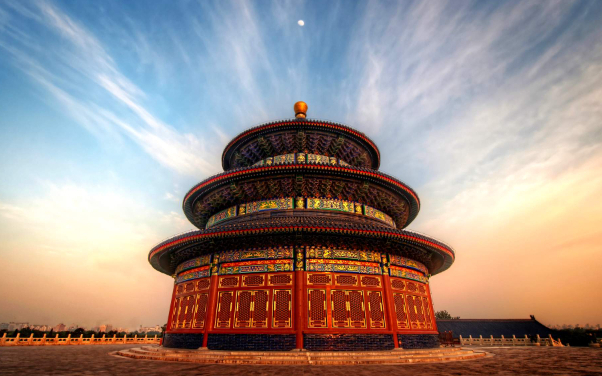

The Celestial Temple in Beijing, known locally as Tiantan, is a testament to ancient Chinese spirituality and imperial grandeur. Nestled in the heart of Beijing, this iconic site offers a window into the rituals and architectural brilliance of the Ming and Qing dynasties. It was here, in this sacred complex, that emperors would seek divine favor for bountiful harvests, a practice steeped in tradition and celestial reverence.
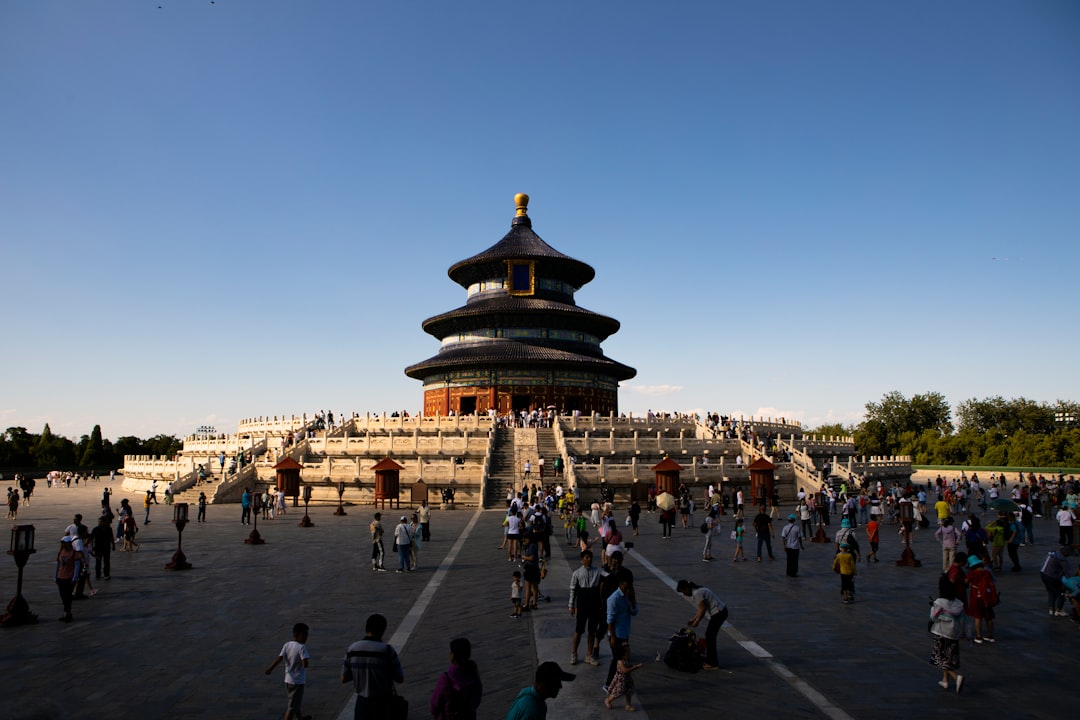
History and Origins The origins of the Celestial Temple date back to 1420 during the reign of the Yongle Emperor, a pivotal figure in the Ming dynasty known for his ambitious construction projects, including the Forbidden City. The temple, initially called the Temple of Heaven, was explicitly designed for the worship of Heaven, a crucial aspect of Chinese cosmology. Emperors would perform solemn rites three times a year to ensure harmony between heaven and earth, a belief that underscored the divine right of kings. During the Qing dynasty, these rituals were elaborated upon, reflecting the changing dynamics of Chinese society.
Art and Architecture The architecture of the Celestial Temple is a marvel of Ming dynasty design, characterized by perfect symmetry and symbolic alignment. The Yuanqiu Tan (Circular Altar) is an open-air, three-tiered platform made of marble, where ceremonies were held. Its circular shape symbolizes the heavens, while the square base represents the earth, harmonizing with Chinese cosmological beliefs. The Huangqiong Yu (Heavenly Imperial Vault) is a smaller, circular building known for its stunning blue tiles and intricate woodwork. The most famous structure, the Qinian Dian (Temple of Prayer for Good Harvests), is a masterpiece of wooden architecture, built entirely without nails. Its vibrant blue roof, supported by wooden pillars, and ornate interior murals make it an artistic treasure.
Local Culture and Traditions The Celestial Temple remains a focal point of cultural activity in Beijing. Each year, the temple is the centerpiece of traditional festivals, such as the Chinese New Year. Locals and tourists alike gather here to witness performances of ancient rituals and listen to traditional music, creating a vibrant atmosphere that honors the temple's historical significance. The temple grounds also serve as a popular locale for local residents practicing tai chi, giving visitors a glimpse into the daily life of Beijing's citizens.
Gastronomy While visiting the Celestial Temple, indulge in local culinary delights that reflect the region's rich gastronomy. Nearby, you can find street vendors offering Jianbing, a savory crepe filled with egg, scallions, and a variety of flavorful sauces. For a more substantial meal, try Peking Duck, a dish synonymous with Beijing, known for its crispy skin and tender meat, often enjoyed with pancakes, hoisin sauce, and sliced cucumbers.
Lesser-known Curiosities One of the temple's lesser-known features is the Echo Wall, a circular wall surrounding the Imperial Vault of Heaven. Its unique acoustic properties allow a person to whisper against the wall, and the sound will travel around to be heard by someone standing on the opposite side, a playful yet fascinating experience for visitors. Another intriguing detail is the design of the Circular Mound Altar, where the number nine, representing the emperor, is a recurring theme, reflected in the number of steps, stones, and columns.
Practical Visitor Information The best time to visit the Celestial Temple is during spring or autumn when Beijing's weather is mild and pleasant. Arrive early to explore the serene grounds before crowds gather. Be sure to wear comfortable shoes, as the temple complex is vast and requires considerable walking. Don't miss the chance to climb the steps of the Circular Altar for a breathtaking view of the surrounding park.
For a seamless and personalized journey to Pechino, consider using the Secret World app to craft an itinerary that suits your interests and schedule.


